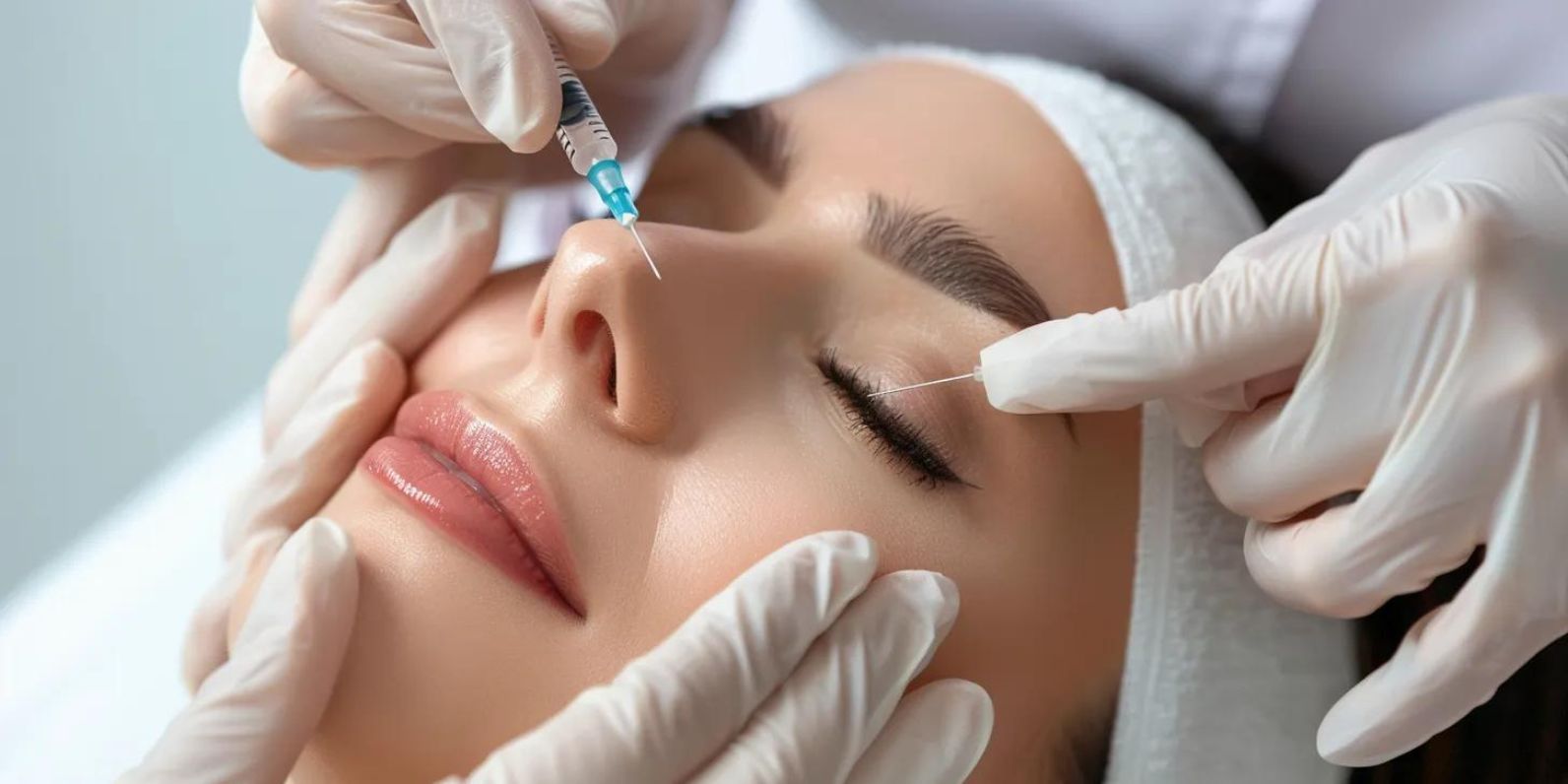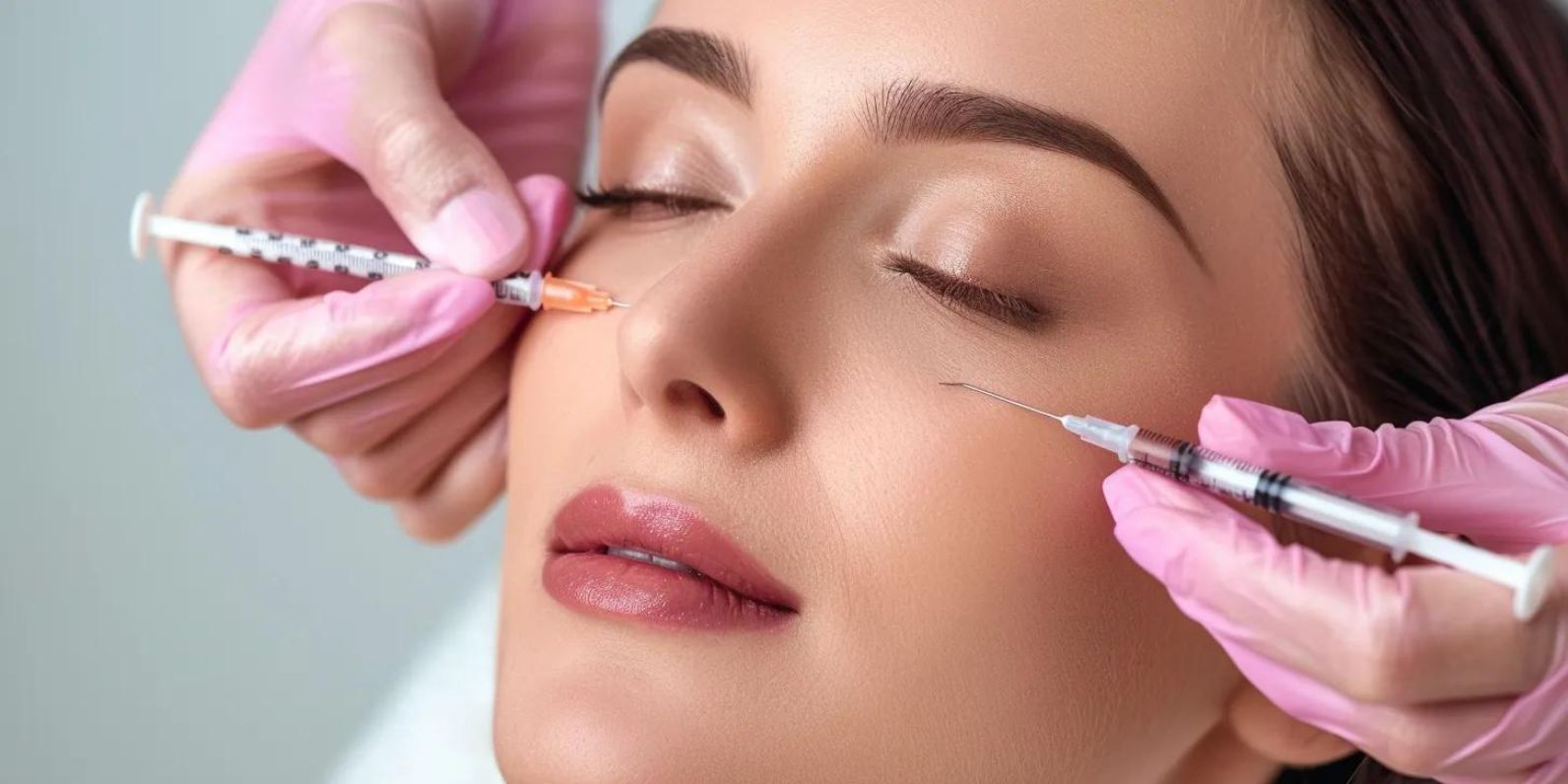
The most common Botox mistakes that affect treatment results include choosing an inexperienced injector, getting the wrong dosage, skipping the consultation, ignoring aftercare instructions, and treating too frequently. According to the American Society of Plastic Surgeons (ASPS), over 9.48 million botulinum toxin procedures were performed in 2023, making it the number one minimally invasive cosmetic treatment in the country. Despite its popularity, poor results still happen, and nearly every case can be traced back to a preventable error. Whether you are a first-timer in the Bloomfield Hills area or a long-time patient looking to improve your routine, knowing what can go wrong helps you get better results every time.
What Are the Most Common Botox Mistakes People Make?
The most common Botox mistakes people make are choosing a provider based on price alone, not having a proper consultation, requesting too many units, ignoring pre-treatment and post-treatment guidelines, and going to different injectors without sharing their treatment history.
One of the biggest errors is bargain shopping for Botox. The ASPS warns that deals that seem too good to be true often lead to dissatisfaction or complications. Inexperienced providers may use diluted products, inject into the wrong muscles, or fail to customize the treatment for the patient’s face. A study reviewed by the National Institutes of Health (NIH) found that adverse events from Botox are extremely rare when performed by trained professionals, with only 36 cases of serious side effects reported to the FDA over a 14-year period.
Another frequent mistake is failing to disclose your full medical history. Conditions like neurological disorders, allergies to botulinum toxin ingredients, or previous facial surgeries can all affect how Botox works in your body. Patients in Bingham Farms and throughout Oakland County should always share their complete medical background during the consultation.
Skipping the consultation altogether is a critical error. At clinics that rush patients through without a facial assessment, the result is often a one-size-fits-all treatment that ignores individual muscle strength, skin thickness, and facial symmetry. The team at FACE Skincare Medical Wellness takes time to evaluate each patient’s anatomy before placing a single unit.
What Are the Signs of Bad Botox?
The signs of bad Botox include drooping eyelids, uneven eyebrows, a frozen or expressionless face, facial asymmetry, Spock-like arched brows, and a “Joker smile” at the corners of the mouth.
Drooping eyelids, medically known as ptosis, happen when Botox migrates to the levator palpebrae superioris muscle, which is responsible for lifting the upper eyelid. According to research published in the Journal of Clinical and Aesthetic Dermatology, ptosis occurs in about 1% to 5% of patients. One study found a ptosis rate of 5.4% among inexperienced injectors compared to less than 1% among experienced injectors, which highlights how much injector skill matters.
Spock brows are another telltale sign. This happens when Botox is injected only in the center of the forehead, leaving the outer edges untreated. The center drops while the outer brow lifts too high, creating that arched, alien look. Experienced providers in Bloomfield Hills know to distribute the product evenly across the forehead to prevent this imbalance.
A frozen face is the result of too many units or product placed in too many areas. The goal of a well-done treatment is to soften movement, not eliminate it entirely. Facial expression is a part of looking youthful, and a skilled injector preserves natural movement while reducing wrinkles.
Facial asymmetry occurs when Botox doses are not evenly distributed on both sides of the face. One eyebrow may sit higher than the other, or one side of the mouth may move differently. This usually stems from an injector who did not evaluate the patient’s natural facial asymmetry before treatment.
If you notice any of these signs after your treatment, contact the medical team at FACE immediately. Most issues are temporary and can be addressed with corrective techniques or simply by waiting for the product to wear off.
What Is the Riskiest Place for Botox?
The riskiest place for Botox is the area around the eyes and upper eyelids. Injecting too close to the eyelid or too deep near the brow can affect the muscles that control eyelid movement, leading to ptosis or vision problems.
The glabellar region, which is the area between the eyebrows, is the second highest-risk zone. Over-treating this area can lead to heavy or drooping brows. According to a review published in PMC (PubMed Central), blepharoptosis after glabellar injection is one of the most commonly reported significant side effects of botulinum toxin type A.
The area around the mouth is also high risk. The muscles that control lip movement, speech, and facial expressions are densely packed and interconnected. Injecting in the wrong spot can cause difficulty smiling naturally, drooling, or an unnatural grin.
The neck is another danger zone. Botox is sometimes used to soften vertical platysma bands, but incorrect placement can interfere with swallowing or weaken the muscles that support the head. The ASPS recommends that neck injections be performed only by medical professionals with advanced training in neck anatomy.
Patients in the Farmington Hills and Birmingham area should always ask their provider about their specific training and experience with each injection zone. Providers at FACE Skincare Medical Wellness work under the supervision of board-certified physicians, including dermatologist Dr. Lorna Lacen Thomas, to minimize risk and deliver precise results.
Where to Avoid Botox To Avoid Ptosis?
To avoid ptosis, you should avoid Botox that is placed too low on the forehead, too deep in the glabellar area, or too close to the orbital rim above the eyelid. These are the areas where the product is most likely to migrate to the levator muscle that lifts the eyelid.
The glabellar complex (the “11 lines” between your brows) requires careful technique. Many experienced injectors use a three-point or five-point injection pattern in this area rather than placing large amounts of product in a single spot. Applying gentle pressure to the injection site for about 30 seconds after the injection can also help keep the neurotoxin localized, according to clinical guidance from South Jersey Aesthetics.
Patients with naturally low-set brows, thin skin, or a history of eyelid drooping are at higher risk for ptosis after Botox. These patients should discuss their concerns during the consultation so the provider can adjust placement and dosage accordingly.
After treatment, patients should avoid rubbing the forehead, lying face down, or doing inverted exercises like yoga headstands for at least 24 hours. All of these actions can push Botox toward the eyelid muscles. Following proper aftercare is just as important as the injection itself, and patients who visit FACE’s injectable treatment specialists receive detailed aftercare instructions for every treatment.
What Does Botox Look Like 20 Years After?
Botox looks like smoother, more youthful skin 20 years after consistent use. People who have maintained regular treatments for two decades typically show fewer and less severe wrinkles compared to people of the same age who never had Botox.
A landmark study on identical twins found that the twin who received regular Botox for over 12 years had noticeably fewer crow’s feet and forehead lines than the twin who had only two treatments. Even seven months after their last session, the regularly treated twin still looked younger. This study, cited by the Cleveland Clinic, is one of the strongest pieces of evidence that long-term Botox use genuinely slows visible aging.
Botox has a strong safety record for long-term use. A 2020 review confirmed that there are no long-term or life-threatening adverse effects related to cosmetic use of botulinum toxin when administered appropriately by experienced providers. The NIH has also confirmed that Botox causes no permanent damage to muscles or nerves.
One potential change after many years of use is mild muscle atrophy in the treated areas. The repeatedly relaxed muscles may become slightly smaller and weaker over time. Many patients actually see this as a benefit, because weaker muscles produce fewer wrinkles and may allow for longer intervals between treatments.
Patients in Oakland County and the Detroit metro who are thinking about their long-term skin health can pair their neurotoxin treatments with complementary services like laser skin treatments and chemical peels for a comprehensive anti-aging plan.
What Happens After 20 Years of Botox?
After 20 years of Botox, most patients continue to look younger than their biological age, have fewer deep-set wrinkles, and may need fewer units per session due to long-term muscle weakening. The safety profile of Botox over two decades of use remains strong.
If you stop getting Botox after 20 years, your face does not suddenly age. The muscles gradually regain their normal function, and dynamic wrinkles slowly return. However, the preventive effect of years of treatment means that the wrinkles will not be as severe as they would have been without any Botox at all. According to research reviewed by multiple clinical sources, patients who start Botox in their late 20s or 30s and maintain consistent treatment often look significantly younger than peers who never had it.
There is some concern that very long-term, aggressive use can lead to skin thinning in the injection areas. However, this is primarily associated with overuse and can be minimized by working with a skilled provider who adjusts your treatment plan as you age. The key is moderation and a customized approach.
Patients at FACE Skincare Medical Wellness benefit from a holistic approach to aging that includes not just neurotoxins but also skin tightening treatments and wellness therapies that support long-term skin health from the inside out.
Does Drinking Water Help Botox?
Yes, drinking water helps Botox by keeping your skin hydrated, plump, and healthy, which supports the overall appearance of your results. Well-hydrated skin looks smoother and holds its shape better, which makes the wrinkle-reducing effects of Botox more visible.
Dehydrated skin appears dull, crepey, and more wrinkled. Even the best Botox treatment will look less impressive on skin that is severely dehydrated. The American Academy of Dermatology recommends adequate daily water intake as a foundational step for healthy skin at any age.
Hydration also supports your body’s healing process after injections. Drinking plenty of water in the 24 to 48 hours following treatment can reduce swelling and help flush out any minor inflammation at the injection sites.
While water alone will not extend how long Botox lasts, it creates the best possible canvas for your results. Patients in Bingham Farms who combine hydration with IV nutrient therapy at FACE can take their skin health to the next level by delivering vitamins and minerals directly into the bloodstream.
What Is the Best Time of Day To Get Botox?
The best time of day to get Botox is in the morning or early afternoon. This allows you to stay upright for the rest of the day without worrying about lying down too soon or disrupting the settling process while you sleep.
Morning appointments give the neurotoxin a full day to bind to the nerve receptors at the muscle junction. Since you should avoid lying down for at least four hours after treatment, a mid-morning appointment means you can go about your normal routine and settle into bed at your usual time.
Late afternoon or evening appointments can work, but they require more careful planning. You need to stay upright until bedtime, and you should avoid exercising, alcohol, or heat exposure for the rest of the evening. Bloomfield Hills residents who have busy schedules often find that a morning appointment on a lighter workday is the most convenient option.
Regardless of timing, the most important factor is working with an experienced injector who has enough time to perform a thorough consultation and careful treatment without rushing. At FACE Skincare Medical Wellness, every appointment is structured to allow for personalized care.
Is 55 Too Late for Botox?
No, 55 is not too late for Botox. Botox can still produce meaningful results at 55 and beyond, especially for dynamic wrinkles caused by muscle movement. However, patients over 55 should have realistic expectations, because deeper static wrinkles that are present at rest may require additional treatments like dermal fillers or laser resurfacing to fully address.
According to data from the American Society of Plastic Surgeons, over 1 million Botox treatments were performed on patients aged 55 to 69 in 2020 alone. This age group is the second-largest demographic for Botox after the 40 to 54 age group.
At 55, your skin has naturally lost some elasticity and collagen. Botox can still relax the muscles that create forehead lines, crow’s feet, and frown lines, but the smoothing effect may not be as dramatic as it would be on someone with more elastic skin. Combining Botox with dermal fillers or Sculptra can restore volume and address the static lines that Botox alone cannot fix.
Patients of all ages in the Northville and Franklin area can schedule a consultation at FACE to determine the best combination of treatments for their skin and goals.
Is It Worth Getting Botox at 60?
Yes, it is worth getting Botox at 60 for patients who want to soften dynamic wrinkles and maintain a refreshed appearance. Data from PlasticSurgery.org shows that hundreds of thousands of patients over 55 receive neurotoxin treatments every year with strong satisfaction rates.
At 60, Botox works best on expression-based lines like crow’s feet, forehead lines, and the “11 lines” between the brows. These wrinkles are caused by muscle movement, and Botox is specifically designed to address them. However, deeper folds and volume loss may need a multi-treatment approach.
A combination plan that includes neurotoxins, fillers, skin tightening, and medical-grade skincare often delivers the best results for patients in their 60s. The team at FACE Skincare Medical Wellness in Bingham Farms specializes in creating customized treatment plans that address aging and wrinkle concerns at every age.
At What Age Is Botox No Longer Effective?
There is no specific age at which Botox stops being effective. Botox works on dynamic wrinkles at any age, because it targets muscle movement rather than skin condition. As long as the muscles under the skin are still creating visible lines when you make facial expressions, Botox can help.
What does change with age is the overall result. Younger patients with more elastic skin see smoother, more dramatic results from Botox alone. Older patients may find that Botox softens their lines but does not fully eliminate them, because the skin itself has lost its ability to bounce back completely.
According to the Cleveland Clinic, frown lines that are present at rest, which usually become prominent around age 60, respond less dramatically to Botox alone. At that stage, adding fillers, collagen-stimulating treatments like microneedling or radiofrequency skin treatments, or laser resurfacing can make a significant difference alongside Botox.
Can I Sleep on My Face 4 Days After Botox?
Yes, you can sleep on your face 4 days after Botox. By day 4, the neurotoxin has had enough time to bind to the nerve receptors and settle into the targeted muscles. The critical window for sleeping position is the first night after treatment.
On the night of your treatment, sleep on your back to avoid putting pressure on the injection sites. Side sleeping can push against the treated areas, especially around the eyes and forehead, and may affect how evenly the product distributes. After the first 24 to 48 hours, the risk of displacement drops significantly.
If you are a dedicated side or stomach sleeper, using extra pillows to prop yourself up on the first night can help. By day 3 or 4, most patients can return to their normal sleeping position without concern. Patients in Birmingham and Farmington Hills who have questions about post-treatment sleep positions can always reach out to their provider at FACE for guidance.
Is It Okay To Get Botox Every 3 Months?
Yes, it is okay to get Botox every 3 months. In fact, the manufacturer (Allergan) recommends a minimum interval of 90 days between treatments. Getting Botox on a consistent every-3-month schedule is one of the best ways to maintain smooth, natural-looking results year-round.
Allergan’s “Look of 3” treatment plan specifically recommends treating three areas (forehead, frown lines, and crow’s feet) with 64 units at least three times per year. This approach has been extensively tested and shown to deliver optimal results when followed consistently.
Over time, patients who stick to this schedule often experience a cumulative benefit. The targeted muscles gradually weaken from repeated treatment, a process known as disuse atrophy. Many long-term patients eventually find they can extend their intervals to every 4 to 6 months because their muscles are trained to remain more relaxed.
It is important not to go more frequently than every 3 months. Treating too often can lead to over-weakening of the muscles, a flat or unnatural appearance, and an increased risk of developing antibodies to the botulinum toxin, which can make the treatment less effective over time.
What Vitamins Not To Take Before Botox?
The vitamins and supplements to avoid before Botox are those that thin the blood and increase the risk of bruising. These include vitamin E, fish oil (omega-3 fatty acids), ginkgo biloba, St. John’s wort, and high-dose garlic supplements.
Vitamin E acts as a mild blood thinner and can increase bleeding at the injection sites. Fish oil capsules have similar anticoagulant properties. Both should be stopped at least 5 to 7 days before your appointment if your provider recommends it.
Over-the-counter pain medications like aspirin, ibuprofen (Advil), and naproxen (Aleve) are also blood thinners and should be avoided for several days before Botox. Acetaminophen (Tylenol) is generally considered safe because it does not affect blood clotting.
Green tea in very large quantities can also have a mild blood-thinning effect. A single cup is usually fine, but heavy green tea consumption before Botox can slightly raise bruising risk.
Always share your complete supplement and medication list with your provider before treatment. The team at FACE Skincare Medical Wellness will review everything you are taking and advise you on what to pause before your appointment.
Where Is the Best Place on Your Face for Botox?
The best place on your face for Botox is the upper third, which includes the forehead, the area between the brows (glabella), and the outer corners of the eyes (crow’s feet). These three zones are the most commonly treated and have the strongest track record for safe, effective results.
The forehead is where horizontal lines form from raising the eyebrows. The glabella is home to the “11 lines” that appear when you frown. Crow’s feet are the fan-shaped lines that spread from the corners of the eyes when you smile or squint. According to Allergan’s FDA-approved treatment protocol, these are the three areas that make up the “Look of 3” plan: 20 units for frown lines, 24 units for crow’s feet, and 20 units for forehead lines.
Beyond the classic three areas, experienced injectors also use Botox for bunny lines on the nose, chin dimpling, downturned mouth corners, and jawline slimming through masseter injections. These areas require even more precision and a deep knowledge of facial anatomy.
Oakland County residents interested in a comprehensive approach to facial rejuvenation can combine neurotoxins with facial contouring and threadlifts or liquid lifts for a complete non-surgical transformation.
What Day Does Botox Peak?
Botox peaks at approximately day 10 to 14 after injection. This is when the neurotoxin has fully bound to the nerve receptors and the targeted muscles are at their most relaxed state. Wrinkles and fine lines look their smoothest during this peak window.
Some patients see initial effects as early as day 2 or 3, but the full result is not visible until the two-week mark. According to the American Society of Plastic Surgeons, providers typically schedule a follow-up at 14 days to evaluate the results, check for symmetry, and determine whether a small touch-up is needed.
After the peak, results gradually decline over the next 2 to 3 months as the nerve endings regenerate and muscle activity returns. Planning important events for the two-week mark after injection gives you the best possible appearance. Patients in Bloomfield Hills who have a wedding, reunion, or professional event coming up should schedule their appointment at least two weeks in advance.
| Botox Timeline | What Happens |
| Day 1 | Injection administered; avoid lying down and exercise |
| Days 2 to 3 | Early signs of muscle relaxation begin |
| Days 7 to 10 | Significant smoothing visible; most side effects resolved |
| Days 10 to 14 | Peak results; muscles are most relaxed |
| Month 2 to 3 | Results begin to gradually fade |
| Month 3 to 4 | Full muscle movement returns; time for next session |
Sources: American Society of Plastic Surgeons, Allergan clinical data, Cleveland Clinic.
Patients who want to stay in that peak-results zone as much as possible should maintain a consistent treatment schedule at FACE Skincare Medical Wellness.
Frequently Asked Questions
How Do I Know if My Botox Injector in Bloomfield Hills Is Qualified?
A qualified Botox injector in Bloomfield Hills should work under or be a board-certified physician, have extensive training in facial anatomy, and be willing to show before-and-after photos of their work. The ASPS recommends choosing a provider who is either a plastic surgeon or who works directly under one. Look for online reviews, credentials displayed on the provider’s website, and a thorough consultation process before treatment.
Can Bad Botox Be Fixed?
Yes, bad Botox can be fixed in many cases. For drooping eyelids, prescription eye drops like Upneeq or apraclonidine can temporarily stimulate the eyelid muscle. For asymmetry, a skilled provider may inject small amounts of additional Botox to even things out. For a frozen look, the only fix is time, as the Botox will wear off within 3 to 4 months. The best approach is to prevent problems by choosing an experienced provider in the first place.
What Should I Tell My Provider Before Botox?
You should tell your provider about all medications and supplements you take, any history of neurological conditions, previous reactions to botulinum toxin, prior facial surgeries, and your aesthetic goals. Patients in the Bingham Farms and Birmingham area should also mention any other cosmetic treatments they have had recently, as receiving Botox from multiple providers without clear communication can lead to over-treatment.
How Do I Avoid a Frozen Look After Botox?
You avoid a frozen look after Botox by choosing a conservative dosage and an experienced injector who prioritizes natural movement. The goal is to soften wrinkles, not eliminate all expression. Providers at FACE Skincare Medical Wellness customize every treatment to the patient’s anatomy and goals, using the least amount of product needed for a natural result. According to clinical experts, starting with fewer units and adding more at a two-week follow-up is safer than injecting too much on the first visit.
Is Botox Safe for Men in Oakland County?
Yes, Botox is safe for men in Oakland County and throughout Michigan. According to industry data, nearly half a million men received neurotoxin injections in 2023. Men typically need slightly higher doses than women because their facial muscles tend to be larger and stronger. FACE Skincare Medical Wellness offers a full men’s treatment menu with neurotoxins customized for male facial anatomy.
What Happens if I Get Botox From an Unqualified Provider?
If you get Botox from an unqualified provider, you are at much higher risk for complications like ptosis, asymmetry, frozen expression, and even infection. The ASPS has warned against attending “Botox parties,” using non-certified injectors, or choosing providers who offer drastically low prices. In rare cases, counterfeit Botox products have been found in multiple U.S. states, as noted in a 2024 FDA alert. Always verify your provider’s credentials and the authenticity of the products they use.
Does Botox Damage Your Face Over Time?
No, Botox does not damage your face over time when used appropriately. A 2020 review found no long-term or life-threatening adverse effects from cosmetic botulinum toxin when administered by experienced professionals. Some long-term users may experience mild muscle weakening, which most people consider a benefit since it leads to longer-lasting results. The key is working with a skilled provider who adjusts your plan as you age, like the team at FACE Skincare Medical Wellness.
Final Thoughts
Botox is one of the safest and most effective anti-aging treatments available, but the results are only as good as the decisions you make before, during, and after your appointment. Avoiding common mistakes like choosing the cheapest provider, skipping consultations, ignoring aftercare rules, and treating too frequently can make a dramatic difference in how your results look and how long they last.
The single most important factor is your injector. An experienced, trained provider who takes time to evaluate your face, customize your dosage, and follow up with you after treatment is worth every penny. FACE Skincare Medical Wellness in Bingham Farms has been recognized by Forbes as one of the most advanced medspas in the country, with 45+ technologies, board-certified physicians, and a team that has been delivering natural-looking results to Bloomfield Hills, Birmingham, Farmington Hills, and the entire Detroit metro area for nearly two decades.
If you are ready to experience the difference that expert care makes, contact FACE Medspa today to schedule your consultation. Your best results start with the right team.