Yes, you can get Botox that looks completely natural. The key is working with a skilled injector who uses precise placement, conservative dosing, and a personalized approach based on your facial anatomy. Natural looking Botox softens lines and wrinkles without freezing your face or removing your ability to show emotion. According to the American Society of Plastic Surgeons (ASPS), neuromodulator procedures like Botox saw a 4% year-over-year increase in 2024, proving that more people than ever want subtle, refreshed results rather than an overdone look. This article covers everything you need to know about getting Botox that looks natural, from how it works to when to start, what to expect, and how to find the right provider in the Bloomfield Hills, Michigan area.
Can You Get Botox That Looks Natural?
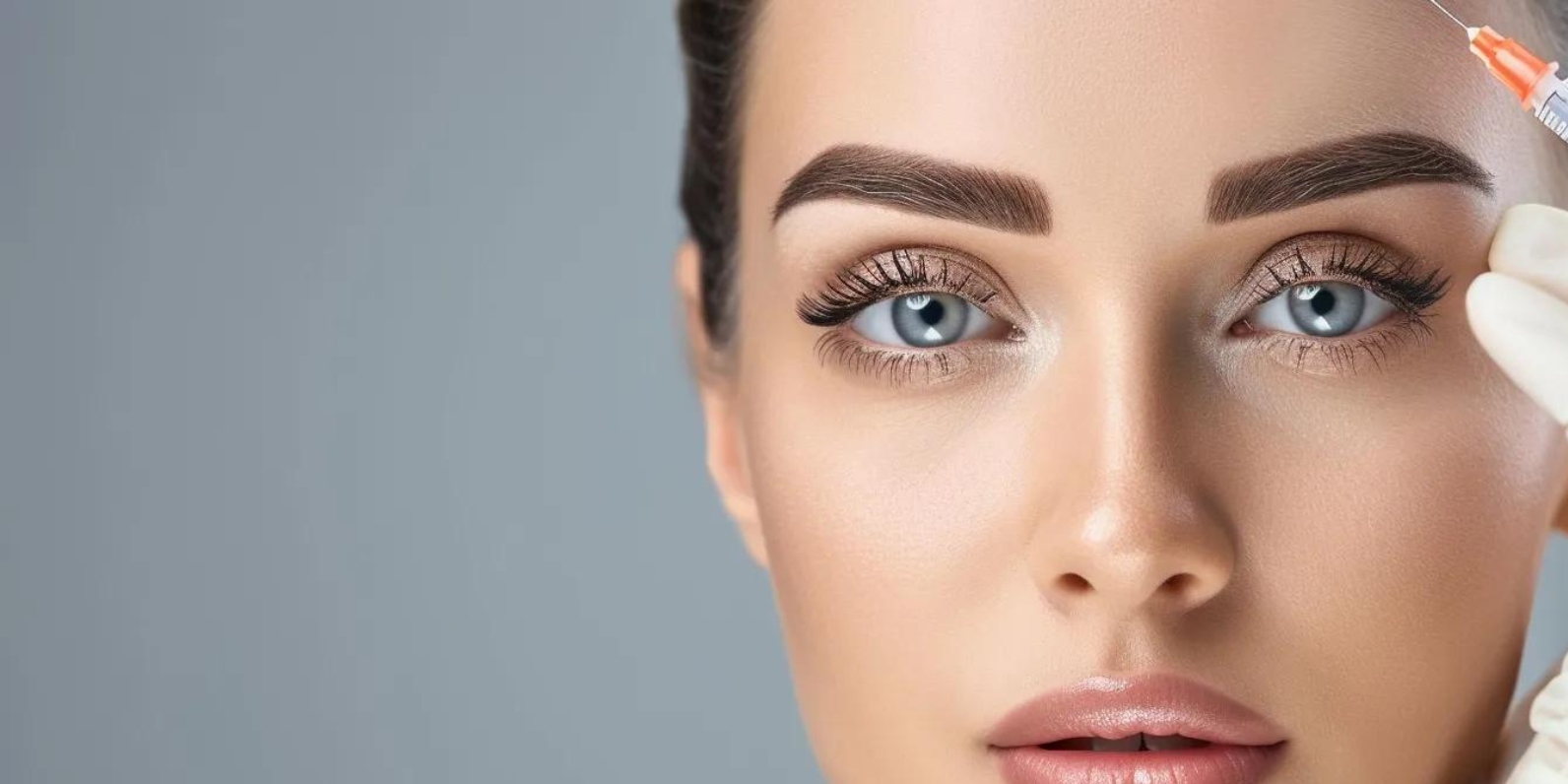
Yes, you can absolutely get Botox that looks natural. The difference between natural looking results and a “frozen” face comes down to technique, dosing, and the experience of the injector. A qualified provider will study your facial muscles at rest and while you make expressions before placing a single injection.
The goal is never to eliminate all movement. It is to soften the lines that bother you most while keeping your face expressive and balanced. Data from the International Society of Aesthetic Plastic Surgery (ISAPS) shows that over 8.8 million botulinum toxin injections were performed worldwide in 2023, and the vast majority of patients reported satisfaction with natural looking outcomes when treated by experienced providers.
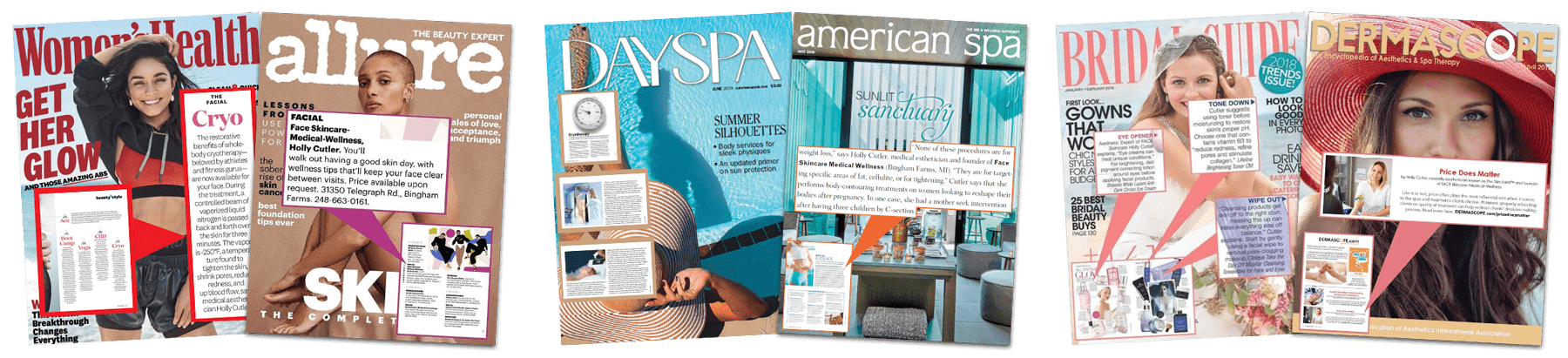
Residents across Bloomfield Hills and Birmingham, Michigan have access to advanced medspa providers who specialize in this kind of careful, conservative approach. At FACE Skincare Medical Wellness, the team uses a combination of 45+ technologies and individualized treatment plans to help every patient look like the best version of themselves.
What Is the Rule of 3 in Botox?
The rule of 3 in Botox refers to three time-related milestones that help patients know what to expect. Results begin to appear within 3 days. They reach their peak at about 3 weeks. And they typically last around 3 months.
This simple guideline is based on years of clinical observation by practitioners, not one single study. It helps patients set realistic expectations about how the treatment will look and feel over time.
There is also a treatment plan called “The Look of 3,” introduced by Allergan (the maker of Botox Cosmetic). This plan targets three key areas of the upper face: forehead lines, frown lines between the brows, and crow’s feet around the eyes. It uses 64 total units of Botox across these three zones, and patients repeat the treatment at least three times per year. By treating all three areas together, the face looks balanced and naturally refreshed instead of partially smooth and partially wrinkled.
Many patients in Bingham Farms and the surrounding Detroit metro area follow this kind of consistent schedule to keep their results looking smooth all year. For those interested in learning how injectable treatments work together for best results, a consultation is the first step.
What Is the 4-Hour Rule for Botox?
The 4-hour rule for Botox means you should stay upright and avoid lying down for at least four hours after your injections. This gives the Botox time to settle into the targeted muscles without shifting to nearby areas.
Lying down, bending over, or putting pressure on the treated zones too soon after treatment can cause the product to migrate. That migration could lead to temporary drooping, uneven results, or reduced effectiveness. Additional post-treatment guidelines include avoiding strenuous exercise for 24 hours, skipping alcohol for a day, and not rubbing or massaging the injection sites.
These simple aftercare steps make a big difference. According to clinical guidance cited by UT Southwestern Medical Center, following post-treatment instructions closely helps the product work exactly where it was placed and supports the most natural looking outcome possible.
Is It Worth Getting Botox at 55?
Yes, it is worth getting Botox at 55 for many people who want to soften moderate to deep expression lines. Botox works at any adult age, and patients over 50 make up a significant share of all neuromodulator treatments.
Data from the American Society of Plastic Surgeons shows that the 40-to-54 age group receives the most Botox treatments overall, with over 4.4 million procedures in 2022. The 55-to-69 age group is the second largest, with more than 1 million treatments. These numbers prove that Botox is popular and effective well beyond the “younger patient” demographic.
At 55, the skin has lost a noticeable amount of collagen and elastin. Dynamic wrinkles from years of facial movement may have become static lines that stay visible even at rest. Botox can soften these lines and slow the deepening of new ones. For residents in Farmington Hills and Northville, Michigan, combining Botox with treatments like dermal fillers or skin tightening creates a more complete rejuvenation plan.
Will Botox Work on a 70-Year-Old Woman?
Yes, Botox will work on a 70-year-old woman. It is safe and effective for healthy adults at any age, and there is no upper age limit for receiving the treatment.
However, expectations at 70 should be adjusted. Botox treats dynamic wrinkles, which are the lines caused by repeated muscle movement. Deep static wrinkles and significant skin laxity that come with age may need additional treatments like fillers, laser resurfacing, or skin tightening to get the best overall result.
A study published in the journal Dermatologic Surgery found that patients over 65 who received Botox reported high satisfaction rates and experienced the same safety profile as younger patients. The key is working with a provider who understands how aging affects facial muscle strength and skin thickness so they can adjust the dosage and placement accordingly.
Patients across the Bloomfield Hills area looking for comprehensive anti-aging solutions benefit from a provider that offers multiple treatment options under one roof.
What Do Celebrities Use Instead of Botox?
Celebrities use a wide range of treatments instead of, or alongside, Botox. Popular alternatives include dermal fillers (hyaluronic acid products like Juvederm and Restylane), microneedling with PRP (platelet-rich plasma), radiofrequency skin tightening, chemical peels, and laser resurfacing.
Many celebrities do not skip Botox entirely. Instead, they combine low-dose or “baby Botox” with other procedures for a layered, natural result. According to the American Academy of Facial Plastic and Reconstructive Surgery (AAFPRS), 90% of their member surgeons regularly perform neurotoxin and filler procedures, often alongside regenerative treatments like PRP.
The trend in Hollywood and beyond has moved away from a heavy-handed approach. The focus now is on “prejuvenation,” which means starting lighter treatments earlier and combining them for subtle, long-term maintenance. Residents near Birmingham and Franklin, Michigan can explore similar combination approaches using microneedling, celebrity facials and peels, and plasma treatments at a trusted local medspa.
Why Are Gen Z Saying No to Botox?
Some Gen Z consumers are saying no to Botox because of growing concerns about overtreatment, social media pressure, and a desire for a more natural approach to aging. A 2024 CivicScience survey found that about 35% of Gen Z adults believe cosmetic procedures can actually make people look older, which is significantly higher than any other generation.
A Morning Consult survey from 2024 also found that 55% of Gen Z adults feel pressure from influencers and celebrities to get cosmetic treatments. That pressure, combined with early exposure to heavily filtered images online, has created a backlash among some younger consumers who feel the beauty industry promotes unrealistic standards.
Still, the numbers tell a more complex story. Qsight data shows that Gen Z’s share of all aesthetics patients grew from 4% in 2017 to 10% by 2024. And neurotoxin treatments now make up 20% of Gen Z’s total non-surgical aesthetic spending, up from 12% in 2021. So while some are pushing back, many others are embracing “baby Botox” and preventive treatments starting in their late 20s.
For younger patients in the Bloomfield Hills area who want subtle, preventive care, starting with a personalized consultation helps determine if neurotoxin treatment is the right fit.
What Does Botox Look Like 20 Years After?
Botox after 20 years of consistent use typically looks like slower aging and fewer deep wrinkles compared to someone who never treated. Long-term Botox patients often have smoother skin on the forehead and around the eyes because the muscles in those areas have been kept relaxed over time.
This effect is partly due to something called “disuse atrophy.” When a muscle is consistently relaxed by Botox over a long period, it gradually weakens and shrinks. This means the muscle creates less forceful contractions, and fewer wrinkles form even as the Botox wears off between sessions. Over time, many long-term patients find they need fewer units or less frequent treatments.
No clinical evidence suggests that Botox causes the skin to age faster. In fact, the opposite appears to be true. By reducing repetitive muscle movement year after year, the collagen and elastin in the overlying skin face less mechanical stress, which helps them stay intact longer.
Residents across Michigan who have been considering long-term treatment can learn more about what a facial rejuvenation plan looks like with a provider who takes a measured, natural approach.
Is Getting Botox Every 3 Months Too Much?
No, getting Botox every 3 months is not too much for most patients. In fact, the manufacturer of Botox Cosmetic (Allergan) recommends repeat treatments approximately every 3 to 4 months to maintain smooth, consistent results.
According to the 2023 Plastic Surgery Statistics Report from the ASPS, 4.7 million botulinum toxin type A procedures were performed that year, a 6% increase over 2022. The majority of those patients followed a schedule of treatments every 3 to 4 months.
Getting treated too frequently, such as more often than every 3 months, is not recommended. Overtreating can weaken the facial muscles too much and lead to unnatural results. But staying on a 3-to-4-month schedule is the standard of care. Over time, with regular treatments, some patients stretch their appointments to every 5 or 6 months because the muscles adapt and need less product.
Can Botox Make You Look 10 Years Younger?
Botox can make you look noticeably younger, and many patients report that their results take 5 to 10 years off their appearance. The degree of change depends on the treatment areas, the severity of the wrinkles, and whether Botox is combined with other procedures.
Botox alone works best on dynamic wrinkles like forehead lines, frown lines, and crow’s feet. For patients who also have volume loss, sagging skin, or sun damage, combining Botox with fillers, thread lifts, or radiofrequency treatments creates a more dramatic, full-face rejuvenation.
The global botulinum toxin market was valued at approximately $9.6 billion in 2023 and is projected to reach $24 billion by 2034, according to Fortune Business Insights. This explosive growth is driven by the treatment’s proven ability to deliver visible, natural looking age-reversal results that keep patients coming back.
How Often Should You Get Botox in Your 50s?
You should get Botox every 3 to 4 months in your 50s to maintain consistent, natural results. This is the same schedule recommended for most adult patients, but the number of units per session may be slightly higher for patients in their 50s because the muscles are often stronger and the wrinkles more established.
Patients in this age group frequently benefit from treating all three upper-face zones (forehead, glabella, and crow’s feet) at the same time. This balanced approach prevents the “Spock brow” or partial-treatment look that can happen when only one area is addressed.
According to ASPS data, the 40-to-54 age group represented nearly half of all botulinum toxin procedures in 2022, with almost 5 million injections. Patients in their 50s make up a large and growing segment of this group. For those in the Bingham Farms and Bloomfield Hills community, scheduling consistent appointments with a dedicated provider like FACE Skincare Medical Wellness keeps results smooth and prevents the need for heavier treatments later.
Can Botox Fix Deep Wrinkles?
Botox can soften deep wrinkles but may not fully eliminate them on its own. Botox is most effective on dynamic wrinkles, which are lines created by muscle movement. When those dynamic wrinkles have etched deeply into the skin over many years, they may still be visible at rest even after the muscle is relaxed.
For truly deep wrinkles, most experienced providers recommend combining Botox with dermal fillers. The Botox relaxes the muscle causing the crease. The filler plumps the skin underneath the wrinkle to smooth it from below. Together, these two treatments address both the cause and the visible result of deep lines.
According to data from the ISAPS, hyaluronic acid filler injections increased by 29% worldwide in 2023, reaching approximately 5.5 million procedures. Much of this growth is driven by patients who pair fillers with neurotoxins for a comprehensive approach. Patients in the Birmingham, Michigan area can explore how dermal filler options work alongside neurotoxins to get the smoothest possible results.
What Age Is Too Late for Botox?
No age is too late for Botox as long as you are a healthy adult. There is no official upper age limit set by the FDA for cosmetic Botox use. People in their 60s, 70s, and even 80s can benefit from reduced expression lines and a more refreshed appearance.
The approach changes with age. A 30-year-old may need just 10 to 20 units for subtle prevention. A 65-year-old may need a higher dose and will likely combine Botox with other treatments for the most noticeable improvement. What matters is a provider who adjusts the treatment plan to the individual, not one who takes a one-size-fits-all approach.
The American Society of Plastic Surgeons reports that the number of Botox injections in the U.S. rose by 459% from 2000 to 2020 across all age groups. This includes strong growth among patients over 55. Aging is a reason to explore Botox, not a reason to avoid it.
For patients in the Northville and Detroit metro area who want to start at any age, visiting a medspa that offers a treatment selector tool can help narrow down the right approach.
What Should You Not Do Before Botox?
You should not drink alcohol, take blood-thinning medications (unless prescribed), or use supplements like fish oil, vitamin E, or aspirin for at least 24 to 48 hours before Botox. These substances thin the blood and increase the risk of bruising at the injection site.
You should also avoid scheduling any facial treatments like chemical peels, dermabrasion, or laser sessions in the days leading up to your appointment. Irritated or inflamed skin can affect how the Botox settles and may increase sensitivity during the injection.
Additionally, arrive at your appointment with a clean face. Skip heavy makeup or skincare products on the day of treatment. Let your provider know about all medications and supplements you take, as well as any recent cosmetic procedures. A thorough pre-treatment consultation, like those offered at FACE Skincare Medical Wellness, helps prevent complications and sets the stage for the best natural looking results.
What Treatment Makes You Look 10 Years Younger?
The treatment that makes most people look 10 years younger is a combination of Botox, dermal fillers, and a skin resurfacing procedure like a chemical peel or fractional laser. No single treatment does everything, but when layered together, these three categories address wrinkles, volume loss, and skin texture all at once.
Botox handles the dynamic lines caused by muscle movement. Fillers restore volume that the face loses with age, especially in the cheeks, temples, and under the eyes. Skin resurfacing improves tone, texture, pigmentation, and fine surface lines by stimulating new collagen growth.
According to data from the ASPS, the total number of minimally invasive cosmetic procedures in the U.S. exceeded 28.5 million in 2024. The top categories were neurotoxins (Botox), hyaluronic acid fillers, and skin resurfacing, which together give providers the tools to create a full rejuvenation plan. The Bloomfield Hills area has become a destination for this kind of comprehensive care, with providers offering everything from Halo laser treatments to liquid facelifts and chemical peels.
Natural Looking Botox Techniques: Comparison of Botox Approaches
| Approach | Areas Treated | Typical Units | Best For | Result Style |
| Baby Botox (Micro-Dosing) | Forehead, crow’s feet, glabella | 10 to 30 total | Patients under 35, first-timers, preventive care | Very subtle, full expression maintained |
| The Look of 3 (Standard) | Forehead, glabella, crow’s feet | 64 total (20+20+24) | Ages 35 to 55, consistent maintenance | Balanced, smooth, naturally refreshed |
| Full-Face Botox | Forehead, glabella, crow’s feet, bunny lines, lip lines, jawline, neck | 50 to 100+ total | Ages 45+, comprehensive rejuvenation | Significant softening across all zones |
| Combination Therapy | All Botox zones plus fillers, peels, or lasers | Varies | All ages wanting maximum age-reversal | Most dramatic, “10 years younger” effect |
Sources: American Society of Plastic Surgeons (ASPS) Procedural Statistics 2024; Allergan Botox Cosmetic recommended dosing guidelines; International Society of Aesthetic Plastic Surgery (ISAPS) 2023 Global Survey.
Frequently Asked Questions
Can I Wash My Face 4 Days After Botox?
Yes, you can wash your face 4 days after Botox. In fact, you can gently wash your face with a mild cleanser a few hours after treatment. The main caution is to avoid rubbing, scrubbing, or applying heavy pressure to the injection sites for the first 24 hours. By day 4, your Botox has fully settled into the targeted muscles, and your normal skincare routine can resume completely. Patients across Bloomfield Hills often ask this question during their first visit, and the answer is always: gentle cleaning is fine almost right away.
Is 63 Too Old for Botox?
No, 63 is not too old for Botox. There is no upper age limit for cosmetic Botox, and patients in their 60s regularly receive treatments with excellent results. According to the American Society of Plastic Surgeons, over 1 million patients aged 55 to 69 received botulinum toxin injections in 2020 alone. The key at 63 is having an experienced provider who adjusts dosing and may recommend combining Botox with fillers or skin tightening for the most complete improvement.
Why No Botox After 65?
There is no medical rule that says you cannot get Botox after 65. This is a common myth. The FDA has not set any upper age limit for cosmetic Botox. Healthy adults over 65 can safely receive Botox and often do. The confusion may come from the fact that very mature skin sometimes needs additional treatments alongside Botox to see the best results. A provider in the Bingham Farms area who offers a full range of injectable and skin treatments can build a plan that works for patients at every age.
How Much Do You Tip for Botox?
Tipping for Botox depends on the setting. In a medical office or medspa where a physician, nurse practitioner, or physician assistant performs the injection, tipping is generally not expected. In spa-like settings, some patients choose to tip 10% to 20%, similar to other personal care services. There is no hard rule. Many medical spas in the Farmington Hills and Birmingham, Michigan area do not expect tips for injectable procedures, but a kind review or referral is always appreciated.
What Age Is Too Late for Botox?
No specific age is too late for Botox. Adults of any age can receive the treatment safely as long as they do not have certain medical conditions like neuromuscular disorders. The FDA approved Botox Cosmetic for adults 18 and older, with no upper limit. As the global botulinum toxin market continues to grow toward an estimated $24 billion by 2034 (according to Fortune Business Insights), more patients across every age group are choosing this treatment.
Is Preventive Botox Worth It for Younger Patients in Michigan?
Yes, preventive Botox is worth it for many younger patients who are starting to notice early expression lines. Data from Qsight shows that Gen Z’s share of aesthetics patients grew from 4% in 2017 to 10% in 2024. Starting with low doses in the late 20s or early 30s can slow the formation of deeper wrinkles over time. The American Academy of Facial Plastic and Reconstructive Surgery confirms that younger patients are increasingly choosing preventive neurotoxin treatments as part of a long-term skincare strategy. Providers in the Bloomfield Hills community can help younger patients start with a conservative plan that grows with their needs.
Final Thoughts
Natural looking Botox is not about luck. It is about technique, experience, and a provider who listens to your goals. From the rule of 3 to the 4-hour aftercare window, every detail matters when the goal is subtle, beautiful results that let your personality shine through.
Whether you are 28 and considering preventive Botox or 65 and ready to soften years of expression lines, the right approach exists for you. The best outcomes come from working with a team that combines medical expertise, advanced technology, and a commitment to making each patient look like themselves, only refreshed.
FACE Skincare Medical Wellness in Bingham Farms, Michigan has spent nearly two decades building one of the most advanced medspas in the country. With 45+ laser and facial technologies, a full menu of neurotoxin options, and a team led by industry-recognized professionals, FACE delivers the kind of natural looking results that keep patients coming back year after year. Contact the team today to schedule your consultation and take the first step toward a refreshed, confident you.