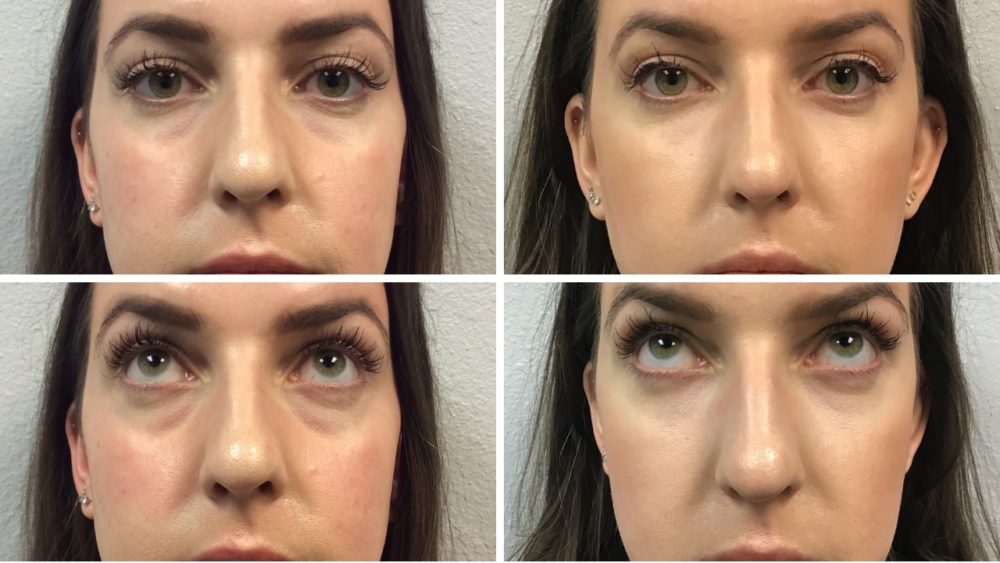
Collagen loss is the single largest driver of visible facial aging. Collagen, the most abundant protein in the human body, forms the structural scaffold in the dermis that keeps facial skin firm, smooth, and resilient. Production declines approximately 1% per year starting in the mid-20s, and women lose up to 30% of their total skin collagen within the first five years after menopause. The result is the progressive appearance of fine lines, wrinkles, sagging, volume loss, and rough texture that most people associate with getting older. This guide explains how collagen is produced, why it declines, what collagen loss looks like at each stage, and which professional treatments and daily habits produce the strongest, most measurable collagen rebuilding results.
How Is Collagen Produced in the Skin?
Collagen is produced in the skin by specialized cells called fibroblasts, which reside in the dermis, the thick middle layer of the skin located beneath the visible epidermis. Fibroblasts synthesize collagen through a multi-step biological process that requires specific amino acids (primarily glycine, proline, and hydroxyproline), vitamin C as an essential enzymatic cofactor, and adequate oxygen supply from the dermal blood vessels.
The production process begins when fibroblasts assemble amino acid chains into a precursor molecule called procollagen. Procollagen consists of three polypeptide chains wound together in a characteristic triple-helix structure. Vitamin C activates the enzymes prolyl hydroxylase and lysyl hydroxylase, which stabilize this triple-helix shape. Without sufficient vitamin C, the helix remains unstable and collagen fibers form improperly. Stabilized procollagen molecules are then secreted outside the fibroblast cell, where enzymes trim the end segments to create tropocollagen. Tropocollagen molecules self-assemble into long collagen fibrils, which cross-link together through covalent bonds to form mature collagen fibers.
Mature collagen fibers form a dense, interwoven network throughout the dermis that functions as the skin’s structural framework. Type I collagen constitutes 80 to 85% of the skin’s structural protein, providing tensile strength and resistance to stretching, according to a systematic review published in the journal Cosmetics (2025). Type III collagen accounts for 10 to 15% and plays a critical role in wound healing and early tissue repair. Collagen makes up approximately 75% of the skin’s dry weight, which explains why even modest declines in collagen density produce visible changes in the skin’s firmness, texture, and overall appearance.
Does Collagen Increase or Decrease With Aging?
Collagen decreases with aging. The American Academy of Dermatology confirms that collagen production declines by approximately 1% per year starting in the mid-20s. This decline is progressive, meaning the rate of loss compounds with each passing decade. By age 40, a person has lost roughly 15 to 20% of their total skin collagen. By age 60, that figure approaches 30 to 40%. Research published by the NCBI shows that chronologically aged skin in people over 80 demonstrates a 68% reduction in type I procollagen compared to people aged 18 to 29.
The decline occurs because fibroblasts gradually become less active with age. Fibroblast senescence, the process by which these cells lose their ability to divide and produce collagen at full capacity, accelerates with cumulative UV exposure, oxidative stress, and hormonal changes. Senescent fibroblasts produce less new collagen and simultaneously produce more matrix metalloproteinases (MMPs), the enzymes that break down existing collagen fibers. This dual shift, less production combined with more destruction, creates a progressively widening collagen deficit that manifests as visible facial aging.
At What Age Do You Start to Lose Collagen in Your Face?
You start to lose collagen in your face in your mid-20s, when fibroblast activity begins its gradual decline. The cellular loss starts before any visible signs appear on the surface. Most people notice the first subtle changes, such as faint fine lines around the eyes and a slight loss of skin bounce, in their late 20s to early 30s. The following decade-by-decade timeline maps how collagen loss progresses in the face:
- 20s: Collagen production peaks in the early 20s and begins declining around age 25. The skin still appears firm and resilient because the existing collagen network remains dense. This is the ideal window for preventive care: daily SPF, antioxidant serums, and retinoid introduction.
- 30s: Cumulative collagen loss reaches 5 to 15%. The first fine lines appear, typically around the eyes (crow’s feet) and mouth. Skin texture becomes slightly less smooth, and the complexion may lose some of its natural radiance as cell turnover slows from a 28-day cycle to 35 to 40 days.
- 40s: Collagen loss accelerates to 15 to 25% total. Fine lines deepen into wrinkles. Nasolabial folds (the lines from nose to mouth) become more prominent. Early volume loss appears in the cheeks and temples. Skin elasticity decreases noticeably.
- 50s and beyond: Women experience up to 30% collagen loss in the first 5 years after menopause due to the sharp decline in estrogen. The skin thins visibly. Between ages 30 and 80, unexposed skin can lose up to 50% of its thickness, according to published dermatology literature. Jowling, deeper wrinkles, significant volume loss, and crepey texture become the dominant concerns.
What Causes Collagen Loss in the Face?
Collagen loss in the face is caused by a combination of intrinsic factors (aging, genetics, hormonal decline) and extrinsic factors (UV exposure, smoking, diet, stress, environmental pollution). Intrinsic aging is the genetically programmed decline in fibroblast activity that occurs regardless of lifestyle. Extrinsic aging is the additional damage caused by controllable environmental and behavioral factors. Together, intrinsic and extrinsic factors determine the total rate of collagen loss in each individual.
The extrinsic factors deserve particular attention because they are preventable. According to the Skin Cancer Foundation and the Cleveland Clinic, UV exposure is responsible for up to 90% of visible changes to the skin. UV radiation does not merely cause surface damage; it penetrates into the dermis where it directly activates the MMPs that fragment and destroy collagen fibers. Smoking introduces toxins that constrict dermal blood vessels, reduce oxygen delivery to fibroblasts, and directly degrade collagen and elastin. High-sugar diets promote glycation, a chemical process where sugar molecules bind to collagen fibers and form advanced glycation end products (AGEs) that stiffen and weaken the collagen network.
What Breaks Down Collagen in Skin?
What breaks down collagen in skin is a family of enzymes called matrix metalloproteinases (MMPs). MMPs are the primary biological mechanism through which collagen fibers are degraded and removed from the dermis. In young, healthy skin, MMP activity stays balanced with collagen production: old, damaged collagen is cleared and replaced with new fibers at a steady rate. With aging and UV exposure, MMP activity increases while fibroblast production decreases, tipping the balance toward net collagen loss.
UV radiation is the most potent activator of MMPs. When UVA rays (320 to 400 nanometers) penetrate the dermis, they generate reactive oxygen species (free radicals) that trigger inflammatory signaling pathways. These pathways activate MMP-1 (collagenase), MMP-3 (stromelysin), and MMP-9 (gelatinase), each of which attacks collagen fibers at different points in their structure. MMP-1 cleaves the collagen triple helix, MMP-3 degrades the fragments further, and MMP-9 breaks down the denatured collagen remnants. A single episode of significant UV exposure can elevate MMP levels for 24 to 48 hours after exposure, during which time substantial collagen destruction occurs.
What Habits Destroy Collagen?
The habits that destroy collagen target the fibroblast production pathway, activate collagen-degrading enzymes, or introduce compounds that directly damage collagen fibers. The most damaging daily habits include:
- Skipping sunscreen on any day you spend time outdoors or near windows. UVA radiation penetrates glass and clouds, activating MMPs in the dermis even on overcast days. Cumulative unprotected UV exposure is the single most destructive force against facial collagen.
- Smoking cigarettes or vaping nicotine. Nicotine constricts blood vessels in the dermis, starving fibroblasts of the oxygen and nutrients they require for collagen synthesis. The toxins in cigarette smoke also directly increase MMP expression.
- Consuming a diet high in refined sugar and processed carbohydrates. Sugar molecules attach to collagen fibers through glycation, forming AGEs that make collagen stiff, brittle, and resistant to the normal turnover process. Glycated collagen fractures under mechanical stress instead of flexing.
- Chronic sleep deprivation. Collagen synthesis peaks during deep sleep cycles when growth hormone release is highest. Sleeping fewer than 7 hours per night consistently reduces the body’s collagen repair capacity, according to research cited by the Cleveland Clinic.
- Chronic stress without management. Elevated cortisol blocks both hyaluronan synthase (which produces the hyaluronic acid that hydrates the dermis) and collagen synthesis simultaneously, per Cleveland Clinic research. Prolonged cortisol elevation compounds collagen loss over months and years.
- Excessive alcohol consumption. Alcohol dehydrates the skin, depletes antioxidant reserves (particularly vitamin C, the essential cofactor for collagen synthesis), and impairs liver function that supports skin repair processes.
What Role Does Estrogen Play in Collagen Production?
Estrogen plays a direct and significant role in collagen production by supporting fibroblast activity, stimulating collagen synthesis, and maintaining dermal thickness and hydration. Estrogen receptors are present on fibroblasts throughout the dermis, and estrogen signaling activates the gene transcription pathways that drive collagen type I and type III production. When estrogen levels decline during perimenopause and menopause, fibroblast activity drops sharply.
Published dermatology reviews confirm that women lose up to 30% of their skin collagen within the first five years after menopause. This accelerated loss explains why many women experience a sudden, noticeable change in skin firmness, thickness, and texture during their late 40s and 50s that feels disproportionate to the gradual changes they noticed in their 30s and early 40s. Hormone therapy, when medically appropriate, can help mitigate this accelerated collagen decline by supporting the estrogen-dependent pathways that maintain dermal collagen density.
What Does Loss of Collagen Look Like?
Loss of collagen looks like a progressive change in the face’s firmness, contour, texture, and overall quality. The visible signs of collagen loss include fine lines and wrinkles (particularly around the eyes, forehead, and mouth), sagging along the jawline and cheeks, loss of volume in the mid-face and temples, thinning skin that appears more translucent, enlarged pores, rough or uneven surface texture, and a crepe-like quality in areas with the thinnest skin (under the eyes, neck, decolletage).
The progression of these signs correlates with the degree of collagen loss. At 10% collagen deficit (typically early 30s), the changes are subtle: faint fine lines, slightly reduced bounce. At 20 to 25% deficit (typically late 30s to mid-40s), the changes become more prominent: visible wrinkles, noticeable volume loss, early jowling. At 30% or greater deficit (typically 50s and beyond, accelerated by menopause in women), the changes become structural: significant sagging, deep wrinkles, marked thinning, and visible loss of facial contour. Understanding where your aging skin falls on this progression helps determine which treatment approach will produce the strongest results.
Can You Rebuild Collagen Once It Is Lost?
Yes, you can rebuild collagen once it is lost, but the rebuild will not fully restore collagen to youthful levels. Modern professional treatments reactivate fibroblasts and stimulate measurable new collagen production through controlled injury, thermal energy, biological signaling, and topical active ingredients. The collagen that these treatments generate is genuine new collagen, type I and type III fibers that thicken the dermis, firm the skin surface, and reduce the depth of existing wrinkles over weeks to months following each treatment session.
The key distinction is between stimulation and full restoration. A 50-year-old patient who has lost 25 to 30% of their collagen cannot rebuild all of it through any current treatment. However, that same patient can stimulate enough new collagen to produce a meaningful, visible reversal of 5 to 15 years of aging signs through a well-designed combination protocol. The global anti-aging market, valued at $78.5 billion in 2025 according to Custom Market Insights, reflects the scale at which patients worldwide are successfully using skin tightening and collagen-stimulating treatments to counteract the effects of collagen loss.
What Professional Treatments Stimulate Collagen Production?
The professional treatments that stimulate collagen production include microneedling, radiofrequency (RF) microneedling, fractional laser resurfacing, radiofrequency treatments, chemical peels, biostimulatory injectables, LED light therapy, and focused ultrasound (Ultherapy). Each treatment activates collagen production through a different mechanism, and clinical evidence supports the efficacy of each modality independently. The strongest results come from combining multiple modalities in a coordinated treatment plan.
Morpheus8 RF microneedling combines mechanical micro-injury with thermal radiofrequency energy delivered directly into the dermis through needle tips. The dual-mechanism approach produces both wound-healing-driven collagen (from the needles) and thermal-remodeling collagen (from the RF energy). A study published in Frontiers in Medicine found that microneedle radiofrequency produced a 44.41% increase in skin density, reflecting significant new collagen deposition in treated tissue.
Biostimulation therapies, including Sculptra (poly-L-lactic acid) and platelet-rich fibrin (PRF), trigger collagen production through biological signaling rather than physical injury. Sculptra works by introducing biocompatible microspheres into the dermis that activate fibroblasts over 2 to 6 months, producing gradual collagen accumulation that restores volume and firms the skin from within. PRF uses the patient’s own concentrated growth factors to stimulate regenerative aesthetics pathways that support collagen and elastin synthesis. Non-invasive facial treatments represent 73% of all facial procedures performed globally, according to 360 Research Reports, and collagen stimulation is the mechanism behind the majority of these procedures.
How Does Microneedling Stimulate Collagen?
Microneedling stimulates collagen through the wound-healing cascade, a three-phase biological response triggered by controlled micro-injuries in the dermis. The procedure uses a device fitted with fine sterile needles (0.5 to 2.5 millimeters deep) that create thousands of tiny punctures in the skin. Each puncture activates the wound-healing cascade in the surrounding tissue.
Phase one (inflammation) begins immediately: platelets aggregate at the micro-injury sites, releasing growth factors (PDGF, TGF-beta, FGF) that recruit fibroblasts to the area. Phase two (proliferation) follows over the next 1 to 4 weeks: activated fibroblasts synthesize new collagen type III (early repair collagen) and begin producing collagen type I (mature structural collagen). Phase three (remodeling) continues for 4 to 12 weeks: type III collagen gradually converts to type I collagen, and the new fibers cross-link and mature into a denser, stronger collagen network. A study cited in the Journal of Clinical and Aesthetic Dermatology found that 93.8% of patients showed measurable improvement after four microneedling sessions spaced four to six weeks apart.
Does Retinol Rebuild Collagen?
Yes, retinol rebuilds collagen by converting into retinoic acid within the skin and activating the retinoid receptor pathways (RAR and RXR) on fibroblasts that directly upregulate collagen gene transcription. Retinoic acid increases the rate at which fibroblasts produce procollagen, the precursor molecule that assembles into mature collagen fibers. Retinoids also inhibit MMP expression, reducing the rate at which existing collagen is broken down. The combined effect, more production plus less destruction, shifts the collagen balance toward net gain.
Clinical evidence supports retinol’s collagen-rebuilding capacity across multiple studies. A comparative study of 120 women found that prescription tretinoin reduced pore dilation by 37.5% and retinol by 30.6% over 84 days, reflecting underlying dermal collagen improvement. Retinoids require 8 to 12 weeks of consistent nightly use to produce visible results because the collagen remodeling cycle needs multiple skin renewal periods (each approximately 28 days) to generate enough new fibers for a visible difference.
| Treatment | Collagen Mechanism | Clinical Evidence | Results Timeline | Sessions Needed |
|---|---|---|---|---|
| Microneedling | Wound-healing cascade activates fibroblasts; new Type I and III collagen | 93.8% patient improvement after 4 sessions | 4 to 12 weeks per session | 3 to 6 sessions, 4-6 weeks apart |
| RF Microneedling (Morpheus8) | Thermal remodeling + wound-healing; dual collagen stimulus | 44.41% increase in skin density | 4 to 12 weeks per session | 2 to 4 sessions, 4-6 weeks apart |
| Fractional Laser | Thermal columns denature old collagen; fibroblasts produce replacement fibers | Significant collagen increase in clinical trials | 4 to 12 weeks | 1 to 3 sessions |
| Biostimulators (Sculptra) | Poly-L-lactic acid microspheres signal fibroblasts to produce collagen gradually | Progressive volume and firmness over 2-6 months | 2 to 6 months (gradual) | 2 to 3 sessions, 4-6 weeks apart |
| Chemical Peels | Controlled exfoliation triggers collagen response; medium peels increase Type I collagen | 70% of patients noticed pore/texture improvement (glycolic acid) | 2 to 8 weeks | 4 to 6 sessions, every 2-4 weeks |
| Topical Retinoids | Retinoic acid upregulates collagen gene transcription; inhibits MMPs | 22 to 37.5% reduction in pore area; dermal thickening | 8 to 12 weeks of daily use | Daily ongoing application |
| LED Light Therapy (Red/NIR) | Photobiomodulation increases mitochondrial ATP; enhances fibroblast activity | 38% expansion in clinical LED usage; 82% of patients report accelerated healing | Gradual over multiple sessions | Weekly to biweekly series |
Sources: Journal of Clinical and Aesthetic Dermatology; Frontiers in Medicine (2025); Journal of the American Academy of Dermatology (Kang et al., 2005); University of Michigan / Dermatologic Surgery; 360 Research Reports; Curology clinical literature review; Journal of Cosmetic Dermatology (Bouloc et al., 2015).
Do Collagen Supplements Work for Skin?
Collagen supplements produce measurable improvements in skin hydration and elasticity based on high-quality clinical evidence. A 2023 systematic review and meta-analysis published in the journal Nutrients analyzed 26 randomized controlled trials (RCTs) involving 1,721 patients and found that hydrolyzed collagen supplementation significantly improved both skin hydration and skin elasticity compared to placebo groups. A separate study found that daily collagen peptide supplementation for 12 weeks produced a 31% reduction in collagen fragmentation and a 9% increase in skin density.
Hydrolyzed collagen supplements work by delivering bioavailable peptides (short amino acid chains, primarily glycine, proline, and hydroxyproline) into the bloodstream. These peptides reach the dermis through circulation and serve a dual function: they provide raw building-block amino acids for collagen synthesis, and they act as signaling molecules that stimulate fibroblast activity. Research also shows that combining collagen peptides with vitamin C enhances skin elasticity by up to 20% compared to collagen supplementation alone, reinforcing the importance of vitamin C as an enzymatic cofactor in the collagen assembly pathway.
Collagen supplements support professional treatments but do not replace them. Topical and oral collagen products cannot replicate the depth of collagen stimulation that microneedling, laser resurfacing, or biostimulatory injectables produce. Supplements strengthen the nutritional foundation that fibroblasts draw on when activated by professional treatments, making the two approaches complementary rather than interchangeable.
How Long Does It Take to Rebuild Collagen in the Face?
How long it takes to rebuild collagen in the face depends on the treatment method and the starting degree of collagen deficit. Topical retinoids require 8 to 12 weeks of consistent daily use before visible collagen-driven improvement appears. Microneedling produces collagen remodeling over 4 to 12 weeks following each session, with cumulative improvement building across a series of 3 to 6 sessions. Biostimulatory injectables like Sculptra produce gradual collagen accumulation over 2 to 6 months as the body responds to the poly-L-lactic acid microspheres.
The collagen remodeling timeline follows the skin’s biological clock. New collagen fibers take approximately 4 weeks to form after fibroblast activation. Those fibers then require an additional 4 to 8 weeks to mature, cross-link, and integrate into the existing dermal network. Full maturation of treatment-stimulated collagen can continue for up to 6 months after the final session in a series. Patients in our Michigan Oakland County practice who complete a full microneedling or RF microneedling series typically see their peak results 2 to 3 months after the final treatment, with continued subtle improvement for several months beyond that point.
What Are the 5 Signs That Collagen Is Working?
The 5 signs that collagen-stimulating treatments or supplements are working include firmer skin when pressed, reduced depth of fine lines, smoother and more even surface texture, improved skin hydration that lasts longer between moisturizer applications, and faster healing of minor cuts, blemishes, or post-treatment redness. These signs appear gradually over the weeks and months following collagen-stimulating treatment or consistent supplement use.
Firmer skin is the most reliable early indicator because it reflects new collagen fiber density in the dermis. Patients often notice that their skin feels “bouncier” when pressed with a fingertip, resisting indentation more than it did before treatment. Reduced fine line depth follows as the thickened dermis provides more structural support beneath the epidermis, physically pushing wrinkled skin upward into a smoother plane. Improved hydration retention occurs because collagen fibers support the hyaluronic acid molecules in the dermal matrix that bind and hold water. A denser collagen network holds more hyaluronic acid, which holds more water, producing skin that stays hydrated longer between applications. The 84% of professional treatment patients who cite improved appearance as their primary motivator, according to 360 Research Reports, often describe these signs as the progression from “my skin looks different” to “my skin genuinely feels different.”
Frequently Asked Questions
What Decreases Collagen?
What decreases collagen is the combination of natural aging (progressive fibroblast senescence), UV radiation (MMP activation), smoking (vascular constriction and toxin exposure), high-sugar diets (glycation producing AGEs), chronic stress (cortisol blocking collagen synthesis), hormonal decline (especially estrogen loss during menopause), insufficient sleep (reduced growth hormone release), and excessive alcohol intake (vitamin C depletion and dehydration).
Can You Rebuild Collagen After Menopause?
Yes, you can rebuild collagen after menopause through professional collagen-stimulating treatments and consistent topical retinoid use. Microneedling, RF microneedling, laser resurfacing, and biostimulatory injectables all activate fibroblasts regardless of hormonal status. Bioidentical hormone therapy, when medically appropriate, can also support collagen production by restoring the estrogen signaling that drives fibroblast activity. The 2023 meta-analysis of 26 RCTs confirmed that oral collagen supplementation improved skin hydration and elasticity in women across a range of ages, including postmenopausal participants.
How Often Should You Get Collagen-Stimulating Treatments?
How often you should get collagen-stimulating treatments depends on the modality. Microneedling sessions are typically spaced 4 to 6 weeks apart for an initial series of 3 to 6 treatments, followed by maintenance sessions every 3 to 6 months. RF microneedling follows a similar schedule with 2 to 4 initial sessions. Laser resurfacing is performed 1 to 3 times per year depending on intensity. Biostimulatory injectables require 2 to 3 initial sessions spaced 4 to 6 weeks apart, with a wrinkle treatment maintenance session annually.
Does Drinking Water Help Collagen?
Drinking water supports collagen indirectly by maintaining the hydration status of the dermal extracellular matrix where collagen fibers reside. Collagen’s triple-helix molecular structure is stabilized by water bridges between the polypeptide chains. Dehydration weakens these water bridges, causing collagen fibers to become more brittle. Adequate hydration (approximately 8 cups per day for most adults) keeps the dermal matrix hydrated and supports the biochemical environment that fibroblasts require for collagen synthesis.
What Foods Support Collagen Production?
The foods that support collagen production are those rich in vitamin C (citrus fruits, bell peppers, strawberries, broccoli), proline and glycine (bone broth, chicken, fish, egg whites), zinc (oysters, red meat, pumpkin seeds, lentils), and copper (shellfish, nuts, seeds, organ meats). Vitamin C is the essential cofactor without which fibroblasts cannot stabilize the collagen triple helix. Proline and glycine are the primary amino acids that compose the collagen molecule. Zinc and copper support the enzymatic cross-linking process that converts immature collagen into strong, mature fibers.
Putting It All Together
Collagen loss is not a mystery or an irreversible sentence. It is a well-understood biological process with identified causes, measurable progression, and proven treatment solutions at every stage. The collagen your skin produces in your 20s provides the structural foundation. The collagen you protect through sunscreen, retinoids, and healthy habits determines how slowly that foundation erodes. The collagen you rebuild through professional treatments determines how successfully you reverse the signs that have already appeared.
We take a science-first approach to collagen restoration at FACE Skincare Medical Wellness, matching each patient’s collagen status with the combination of treatments and home care that will produce the strongest, most sustainable results. Whether you are in your 30s protecting what you have or in your 50s rebuilding what has been lost, a consultation with our team will give you a clear, personalized plan. Call us at (248) 663-0161 to schedule your visit.