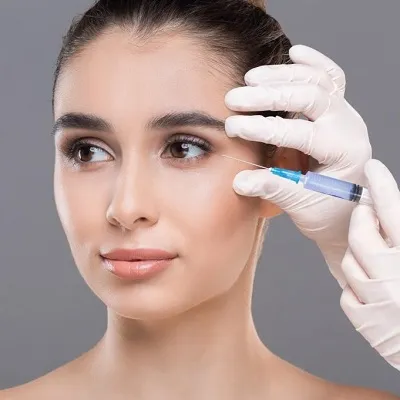
RF microneedling remodels collagen by combining tiny sterile needles with radiofrequency energy to deliver controlled heat directly into the dermis, where collagen and elastin fibers live. This dual action triggers a wound-healing response that replaces old, damaged collagen with fresh, organized fibers over the following three to six months. Biopsy studies cited by the National Institutes of Health show that RF microneedling increases dermal thickness by an average of 15% to 20% at three months after treatment. A separate histological study published in Aesthetic Plastic Surgery found that collagen fibers appeared significantly more organized and compact after RF microneedling, with a measurable increase in Type I collagen density.
This article explains exactly how the collagen remodeling process works with RF microneedling, what the healing timeline looks like, how many sessions you need, what results to expect at each stage, and how to get the most out of your treatments.
Does RF Microneedling Help With Collagen Production?
Yes, RF microneedling helps with collagen production by delivering radiofrequency energy through micro-needles directly into the dermal layer of the skin. The heat from the RF energy causes controlled thermal injury to existing collagen fibers, which denatures (unwinds) them and sends a signal to the body that repair is needed. The body responds by activating fibroblasts, the cells responsible for building new collagen and elastin.
A study published in PMC (PubMed Central) comparing fractional microneedle radiofrequency (MNRF) to standard microneedling found that the RF-treated sides of the face showed increased proliferation of non-senescent (healthy, active) fibroblasts, a reduced number of senescent (aged, inactive) fibroblasts, and elevated collagen and elastin levels compared to the microneedling-only sides. In other words, RF microneedling does not just stimulate collagen. It also helps clear out old, underperforming cells and replaces them with younger, more productive ones.
The global RF microneedling market was valued at $473.82 million in 2024 and is projected to reach $768.35 million by 2031, growing at a 7.2% compound annual growth rate, according to Reanin Research. In 2023, 73% of dermatologists and plastic surgeons preferred RF microneedling over other non-invasive skin tightening techniques, according to industry data compiled by Accio. That level of professional adoption reflects how well the science behind RF microneedling holds up in clinical practice.
How Long Does Collagen Remodeling Take After Microneedling?
Collagen remodeling after RF microneedling takes three to six months to complete. The process follows three distinct biological phases, each building on the one before it.
The first phase is the inflammatory phase, which happens within the first 24 to 72 hours after treatment. During this stage, the body sends inflammatory cells and growth factors to the treated area. Swelling, redness, and mild tenderness are all signs that this phase is doing its job.
The second phase is the proliferative phase, spanning roughly weeks 2 through 8. This is when fibroblast activity ramps up and the body begins depositing new collagen fibers. Patients typically start to notice smoother texture and early tightening during this window. A research article published in Frontiers in Medicine confirmed that collagen fiber remodeling occurs over 3 to 6 months based on current histological evidence, with continued enhancement of results expected over the longer term.
The third phase is the remodeling phase, which runs from about month 2 through month 6 (and sometimes beyond). During this stage, the newly formed collagen fibers organize, cross-link, and mature into the strong, structured network that gives skin its firmness. Type I collagen, which makes up 80% to 85% of total skin collagen according to a study published in PMC, shows the most significant increase after RF microneedling. Peak results typically appear at the 3 to 6 month mark.
Will 3 Microneedling Sessions Make a Difference?
Yes, 3 microneedling sessions will make a noticeable difference. A comprehensive review of RF microneedling studies found average improvement rates of 25% to 35% in skin laxity scores and 30% to 40% reduction in wrinkle severity after a series of three treatments. Each session compounds the collagen-building effect of the one before it, so the results build progressively.
With four sessions spaced one month apart, the treated skin has been shown to achieve a 400% increase in collagen and elastin production six months after the final session, according to microneedling clinical data reported by multiple dermatology sources. Most providers recommend three to four sessions for general rejuvenation and four to six sessions for more significant concerns like acne scars or moderate skin laxity. We space treatments about four to six weeks apart to allow each round of collagen building to take hold before adding another layer of stimulation.
How Long Do 3 Sessions of Microneedling Last?
The results from 3 sessions of RF microneedling last approximately 12 to 18 months with proper skincare and sun protection. The collagen that is built during and after treatment is real, structural collagen that becomes part of your skin. However, the natural aging process continues, so maintenance sessions every 6 to 12 months help sustain the improvements.
Your body naturally loses about 1% of its collagen every year starting in your mid-20s, according to dermatology reviews cited in npj Aging. Women face an even steeper drop during menopause, losing up to 30% of skin collagen in just five years, as documented by the National Center for Biotechnology Information. Radiofrequency treatments help counteract this ongoing loss by periodically jumpstarting the body’s collagen production cycle.
What Are the First Signs That Collagen Is Working?
The first signs that collagen is working after RF microneedling include a subtle glow and improved skin texture that usually appear within the first two to four weeks. The skin starts to feel smoother to the touch, and pore size may look slightly smaller. Fine lines begin to soften, and the overall complexion takes on a brighter, more refreshed quality.
These early improvements are mainly from the initial tightening effect of the RF heat on existing collagen fibers, combined with early new collagen deposition. The more dramatic firming, lifting, and texture improvement comes later, at the 6 to 12 week mark and beyond, as the collagen matures and organizes into a stronger dermal network. A histometric study published in Aesthetic Plastic Surgery found a significant increase in epidermal thickness after treatment, going from 29.53 micrometers at baseline to 41.80 micrometers post-treatment, a roughly 42% increase. That kind of structural change is what produces visible, lasting improvement.
Can a 70-Year-Old Benefit From Microneedling?
Yes, a 70-year-old can benefit from microneedling and RF microneedling. Age does not disqualify someone from collagen-stimulating treatments. As long as the skin can mount a healing response, which it can at any age, microneedling can trigger new collagen production and improve skin quality. A study from the University of Michigan published in the American Journal of Pathology documented a 68% reduction in Type I procollagen in adults over 80 compared to those aged 18 to 29, but the remaining fibroblasts still respond when stimulated.
Older patients may need more sessions and may see more gradual improvement compared to younger patients, because their baseline collagen production is lower. However, many patients in their 60s and 70s report meaningful improvements in skin firmness, texture, and hydration after a series of RF microneedling treatments. The treatment is gentle enough for mature skin and does not require general anesthesia or extended downtime.
Is 60 Too Old for Microneedling?
No, 60 is not too old for microneedling. Patients in their 60s are some of the best candidates for RF microneedling because they typically have the most accumulated collagen loss and sun damage to address. The treatment works by telling the body to build new collagen, and the body’s ability to do that does not stop at any specific age.
The key for patients over 60 is setting realistic expectations. RF microneedling provides refinement and rejuvenation, not a surgical-level transformation. Combining it with other collagen-boosting strategies like Sculptra or PRP can amplify the results for patients who want more significant improvement.
What Is the Best Age for RF Microneedling?
The best age for RF microneedling is between 30 and 65, when collagen loss has become noticeable but the skin still has enough baseline structure to respond strongly to treatment. At 30, most people have already lost about 5% to 10% of their total skin collagen, and the rate of loss continues at roughly 1% per year from that point forward.
That said, RF microneedling works at any adult age. Patients in their late 20s sometimes use it as a preventive measure. Patients in their 70s use it to restore firmness and reduce crepiness. Our Bloomfield Hills team evaluates each patient individually and customizes the treatment depth, energy level, and number of sessions based on their specific skin condition and goals.
How Often Should I Microneedle for Collagen?
You should microneedle for collagen every four to six weeks during your initial treatment series, then switch to maintenance sessions every six to twelve months. The four-to-six-week spacing gives the skin enough time to move through the inflammatory and early proliferative healing phases before introducing another round of controlled injury.
Most clinical protocols call for three to four sessions for general rejuvenation and fine lines, and four to six sessions for acne scars or more advanced skin laxity. Studies published in journals like Dermatologic Surgery report significant improvements in wrinkles and atrophic acne scars after a series of 3 to 4 RF microneedling treatments, with continued gains over several months as collagen matures. Spacing treatments too close together can impair healing, while spacing them too far apart may reduce the cumulative benefit.
Will Microneedling Help Sagging Jowls?
Yes, microneedling with radiofrequency will help mild to moderate sagging jowls. The RF energy reaches the deeper dermal and subdermal layers along the jawline, causing existing collagen to contract and new collagen to form over time. This gradual tightening effect lifts and firms the jowl area without surgery.
For more advanced jowl sagging, combining RF microneedling with skin tightening devices or injectable treatments like dermal fillers can create a more complete lifting effect. A comprehensive review found average improvement rates of 25% to 35% in skin laxity scores after a series of three RF microneedling sessions. Standard microneedling without RF is less effective for jowls because it does not deliver the deep thermal energy needed to contract and remodel the collagen at that depth.
Does Microneedling Tighten Turkey Neck?
Yes, RF microneedling does tighten turkey neck by stimulating collagen and elastin production in the thin, delicate skin of the neck. The neck is one of the first areas to show aging because the skin there is thinner and has fewer oil glands than the face. RF microneedling delivers controlled heat to the dermis of the neck, which triggers the same collagen remodeling process that firms and smooths facial skin.
Patients typically need three to five sessions on the neck to see meaningful improvement. Morpheus8, one of the most popular RF microneedling devices, has adjustable needle depths from 0.5 mm to 8 mm, which allows practitioners to treat both the shallow and deeper layers of neck skin. Histological analysis cited by Cosmetic Injectables Center found that Morpheus8 treatments increased collagen by up to 25% and elastin by 33.3%, with increased fibroblast density and reduced elastin fragmentation.
What Is Better Than RF Microneedling?
What is better than RF microneedling depends on the specific concern. For deep wrinkles and severe sun damage, fractional CO2 laser resurfacing produces a stronger collagen response per session. For volume loss, injectable biostimulators like Sculptra trigger collagen production through a completely different mechanism.
For skin lifting, Ultherapy reaches the SMAS layer (the same layer a surgeon tightens during a facelift), which RF microneedling cannot access.
However, RF microneedling is one of the most versatile treatments available because it addresses texture, tone, laxity, scars, and pore size all in one session. It also carries a lower risk of post-inflammatory hyperpigmentation than ablative lasers, making it safer for patients with darker skin tones. In 2023, 73% of dermatologists and plastic surgeons preferred RF microneedling over other non-invasive skin tightening techniques, according to industry survey data. For most patients, RF microneedling hits the best balance of results, safety, and recovery time.
Why Do I Look More Wrinkled After Microneedling?
You look more wrinkled after microneedling because the treatment causes temporary inflammation, swelling, and dehydration in the treated skin. As the swelling subsides over the first few days, the skin can appear drier and more textured than it did before, which makes fine lines look temporarily more pronounced. This is completely normal and resolves within one to two weeks as the skin rehydrates and the healing process gets underway.
Think of it as the “worse before better” phase. The controlled micro-injuries are triggering a repair process that will ultimately produce smoother, firmer skin. The collagen remodeling has not started showing results yet at this early stage. By weeks 4 to 6, most patients see their skin looking better than it did before the treatment. Keeping the skin well-moisturized and protected from the sun during this early healing period helps minimize the temporary dryness.
What Should You Not Do After Microneedling?
After microneedling, you should not apply makeup, retinoids, exfoliating acids, or vitamin C serums for at least 24 to 48 hours. The micro-channels created by the needles are still open during this window, and applying active ingredients too soon can cause irritation, burning, or an adverse reaction. You should also avoid direct sun exposure, swimming, saunas, and intense exercise for at least 48 to 72 hours.
Picking at any flaking or peeling skin is another thing to avoid completely. The body is actively rebuilding tissue underneath, and disrupting that process can lead to uneven healing or scarring. Stick to gentle cleansers, hyaluronic acid serums, ceramide-rich moisturizers, and physical (mineral) sunscreen during the first week. A solid medical-grade skincare routine before and after treatment supports the entire collagen remodeling process.
How to Tell If Your Collagen Is Low
Signs that your collagen is low include skin that feels thinner and less plump, increased visibility of fine lines and wrinkles, a loss of firmness along the jawline and cheeks, slower wound healing, and a dull or uneven skin tone. Joints that crack or feel stiff and nails that break easily can also signal that your body’s overall collagen levels have declined.
The body loses roughly 1% of its collagen per year starting in the mid-20s, according to multiple dermatology reviews. By age 50, most people have lost 25% or more of their total skin collagen. A study from the University of Michigan found that collagen production in people over 80 was reduced by 68% compared to those aged 18 to 29. If you notice any of these signs, professional collagen-stimulating treatments like RF microneedling combined with a collagen-supporting skincare routine can help reverse the trend.
Can Taking Collagen Reverse Sagging Skin?
Taking collagen supplements can provide mild support for skin hydration and elasticity, but collagen supplements alone cannot reverse sagging skin. Oral collagen is broken down into amino acids during digestion, and only a fraction reaches the skin. Several small studies have shown modest improvements in skin hydration and fine lines with collagen supplementation, but the effects are subtle compared to professional treatments that stimulate collagen directly in the dermis.
For actual reversal of sagging, you need treatments that trigger new collagen production at the source. RF microneedling, PRP therapy, laser resurfacing, and injectable biostimulators all force fibroblasts to build fresh collagen exactly where the skin needs it most. Collagen supplements can be a helpful addition to a comprehensive anti-aging plan, but they work best as a supporting player rather than the lead.
RF Microneedling Collagen Remodeling Timeline
| Timeframe | Phase | What Is Happening | What You See |
|---|---|---|---|
| 0 to 72 hours | Inflammatory | Growth factors released, inflammatory cells arrive | Redness, mild swelling, warmth |
| 1 to 2 weeks | Early Proliferative | Fibroblasts activate, early collagen deposition begins | Skin feels smoother, subtle glow |
| 2 to 8 weeks | Active Proliferative | New collagen and elastin fibers forming rapidly | Fine lines soften, texture improves, pores look smaller |
| 2 to 6 months | Remodeling | Collagen fibers organize, cross-link, and mature | Firmer skin, visible lift, best results appear |
| 6 to 12+ months | Maintenance | Mature collagen sustains; natural aging continues | Results hold with maintenance sessions every 6 to 12 months |
Sources: Frontiers in Medicine (2025), National Institutes of Health histological dose-response analysis, Aesthetic Plastic Surgery histometric study, La Belle Vie Med Spa evidence-based review
Is 2 Microneedling Sessions Enough?
Two microneedling sessions are enough for very mild concerns like early fine lines, slight texture unevenness, or a general skin refresh. However, for most patients seeking noticeable, lasting improvement in firmness, scars, or skin laxity, two sessions will not be enough to reach optimal results. Three to four sessions are the minimum recommended for visible collagen remodeling, and four to six sessions are better for moderate to significant concerns.
Each session builds on the collagen response from the previous one. Stopping after two treatments means you are leaving a significant portion of potential improvement on the table. The American Academy of Dermatology notes that acne affects approximately 85% of people aged 12 to 24, and roughly 40% develop permanent scarring that requires professional treatment. For concerns that deep, a full series is essential.
Frequently Asked Questions
Does Microneedling Age You Faster?
No, microneedling does not age you faster. Microneedling stimulates collagen and elastin production, which slows and partially reverses signs of aging. The temporary redness and dryness that follow treatment sometimes make people worry, but these are normal healing responses that resolve within days. The long-term effect is younger-looking, firmer skin, not accelerated aging.
Which Is Safer, Microneedling or Botox?
Both microneedling and Botox are safe when performed by qualified providers. They treat completely different concerns. Microneedling rebuilds collagen to improve texture, scars, and overall skin quality. Botox relaxes muscles to smooth dynamic wrinkles like forehead lines and crow’s feet. Neither one replaces the other, and many patients benefit from both as part of a comprehensive plan.
What Happens If You Do Not Moisturize After Microneedling?
If you do not moisturize after microneedling, the skin becomes excessively dry, tight, and more prone to flaking and irritation. The micro-channels in the skin increase transepidermal water loss, meaning moisture escapes faster than usual. Without adequate hydration, the healing process slows down and the risk of uneven recovery increases. Applying a gentle, fragrance-free moisturizer and hyaluronic acid serum in the days after treatment supports optimal healing.
What Is the Strongest Skin Tightening Procedure?
The strongest non-surgical skin tightening procedure is Ultherapy, which uses focused ultrasound energy to reach the deep SMAS layer that a surgeon targets during a facelift. RF microneedling is the strongest option for combined tightening plus texture improvement at the dermal level. For patients who want the most dramatic non-surgical result, combining both treatments in a layered protocol provides lifting from Ultherapy and surface refinement from RF microneedling.
How Long Does It Take for Collagen to Build After Microneedling?
Collagen starts to build within the first two weeks after microneedling, but the process takes three to six months to reach peak results. Early collagen deposition begins during the proliferative phase (weeks 2 to 8), and the fibers continue to organize and strengthen during the remodeling phase (months 2 to 6). Biopsy studies show a 15% to 20% increase in dermal thickness at three months post-treatment.
What Works 11 Times Faster Than Retinol?
RF microneedling is often cited as working significantly faster than retinol for collagen stimulation because it triggers a deep wound-healing response in a single session, whereas retinol works gradually over months through topical application. Retinol boosts cell turnover and mildly stimulates collagen at the surface level. RF microneedling delivers energy directly into the dermis and produces measurable increases in collagen density, elastin organization, and dermal thickness that retinol cannot match. Both have a role in a good skincare plan, but they operate at very different levels of intensity.
Can RF Microneedling Be Combined With PRP?
Yes, RF microneedling can be combined with PRP for enhanced results. PRP (platelet-rich plasma) is applied to the skin immediately after microneedling so the growth factors can penetrate through the open micro-channels directly into the dermis. This combination amplifies the collagen-building signal and can accelerate the healing process. Many providers, including our team, offer this pairing for patients who want the strongest possible regenerative response from their treatment.
The Bottom Line
RF microneedling is one of the most effective ways to rebuild collagen without surgery. The science is clear: controlled radiofrequency heat delivered through micro-needles activates fibroblasts, clears out senescent cells, and triggers a collagen remodeling process that unfolds over three to six months. Biopsy studies show real, measurable increases in dermal thickness, collagen density, and elastin organization. With the RF microneedling market projected to nearly double by 2031, this treatment is only becoming more refined and more widely available.
The most important step is getting a proper skin evaluation so the right treatment depth, energy level, and number of sessions are matched to your specific goals. At FACE Skincare~Medical~Wellness, we are here to build a plan that works for your skin.
If you are ready to start, request a consultation or call us at (248) 663-0161.