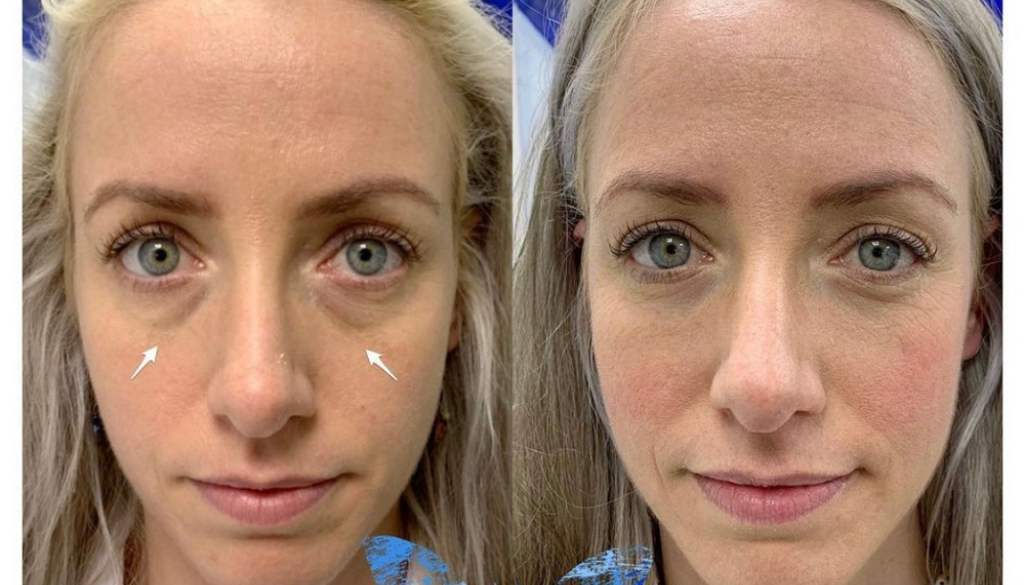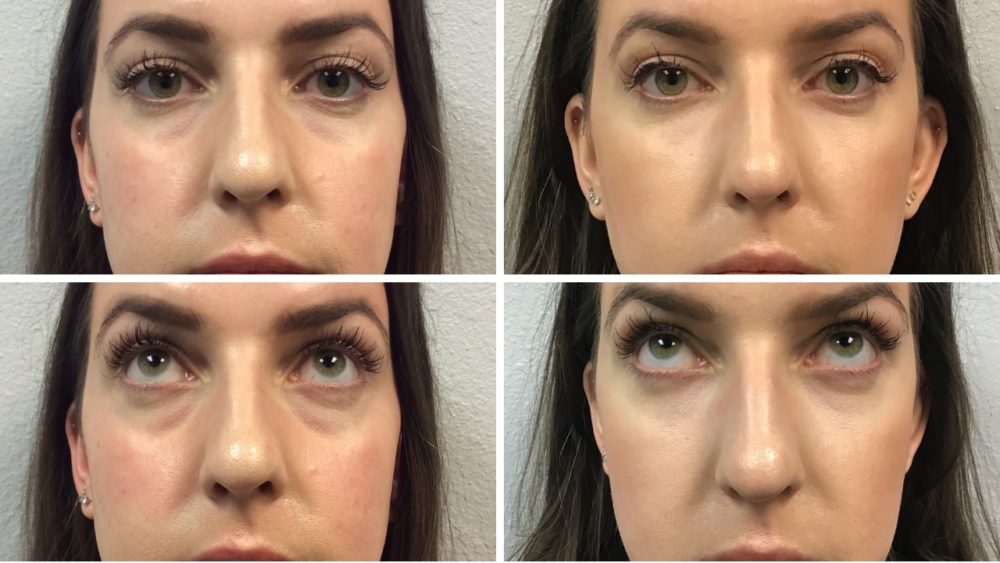
Laser technology improves skin texture and tone by sending focused beams of light into the skin to remove damaged cells, trigger new collagen growth, and break up uneven pigmentation. The result is smoother, firmer, more even-looking skin that many patients notice within weeks of treatment. According to the American Society of Plastic Surgeons (ASPS), over 3.7 million skin resurfacing procedures were performed in the United States in 2024 alone, a 6% jump from the previous year. That number shows just how many people are choosing laser treatments to refresh the way their skin looks and feels.
This article explains how different laser technologies work to fix texture and tone problems, what kinds of lasers are used, what happens during the healing process, how many sessions you may need, and how to get the best results from your treatments.
How Does Laser Technology Improve Skin Texture and Tone?
Laser technology improves skin texture and tone by creating tiny, controlled injuries in the skin that force the body to heal itself with fresh, healthy cells. The laser sends a concentrated beam of light into the skin. That light energy heats the deeper layers where collagen and elastin live. The heat tells your body to start making new collagen, which is the protein that keeps skin firm and smooth.
Research published in the journal Clinical, Cosmetic and Investigational Dermatology found that UV radiation is responsible for up to 80 to 90% of visible facial aging, including wrinkles, rough texture, and dark spots. Laser treatments directly address this kind of damage by removing the outer layer of worn-out skin and jumpstarting the repair process underneath.
Your body naturally loses about 1% of its collagen every year starting in your mid-20s, according to multiple dermatology reviews cited in npj Aging. By age 40, you may have already lost 15% or more of your total skin collagen. Women face an even steeper drop during menopause, losing up to 30% of skin collagen in just five years, as documented by the National Center for Biotechnology Information (NCBI). Laser skin treatments reverse this trend by pushing the body to rebuild what time has taken away.
What Lasers Are Used to Improve Skin Texture?
The lasers used to improve skin texture fall into two main groups: ablative lasers and non-ablative lasers. Each type works differently, and the right choice depends on your skin concerns, skin type, and how much downtime you can handle.
What Are Ablative Lasers and How Do They Work?
Ablative lasers work by removing the outermost layers of damaged skin so that fresh, new skin can grow in its place. The two most common ablative lasers are the carbon dioxide (CO2) laser and the erbium (Er:YAG) laser. CO2 lasers penetrate deeply and are excellent for more significant texture issues like deep wrinkles, acne scars, and heavy sun damage. According to UT Southwestern Medical Center, fractional CO2 resurfacing removes a controlled 30 millionths of an inch of skin tissue at a time, with results that continue to improve for three to six months after treatment.
Erbium lasers target more superficial layers and are often chosen for fine lines, mild scarring, and uneven pigmentation. They tend to heal faster than CO2 lasers, which makes them a good option for people who want improvement with a shorter recovery window.
What Are Non-Ablative Lasers and Who Are They Best For?
Non-ablative lasers heat the deeper layers of skin without removing the surface. They stimulate collagen growth and cellular renewal from the inside out. These treatments are effective for fine lines, mild scars, and uneven skin tone. A pilot study published in the National Center for Biotechnology Information (NCBI) found that 100% of participants saw good to very good improvement in skin tone and texture at both three-month and six-month follow-ups after a series of non-ablative QS Nd:YAG laser treatments.
Non-ablative lasers are best for people who want gradual improvement with little to no downtime. Many patients go right back to work the same day.
What Is Fractional Laser Technology?
Fractional laser technology divides the laser beam into thousands of tiny treatment zones instead of treating the entire skin surface at once. This means only a fraction of the skin is treated during each session, while the surrounding healthy tissue helps speed up healing. Both ablative and non-ablative lasers can use fractional delivery. The global laser resurfacing market was valued at $268.52 million in 2024 and is projected to reach $511.91 million by 2032, growing at 8.4% annually, according to Consegic Business Intelligence. Much of that growth is driven by fractional laser systems that balance strong results with faster recovery.
What Happens After 3 Laser Sessions?
After 3 laser sessions, most patients see noticeable improvement in their skin texture and tone. Fine lines start to soften, dark spots begin to fade, and the overall surface of the skin feels smoother and looks more even. Collagen production builds up with each treatment, so the results get better over time.
A systematic review published in the journal Life found that most patients who received fractional CO2 laser treatments experienced 30% to 70% improvement in the appearance of their scars. The best results often showed up at the three-month and six-month marks after the final session, because collagen continues to rebuild for months after the laser does its work. We typically recommend a series of treatments spaced several weeks apart to give the skin time to heal and respond between sessions.
Is Laser Good for Older Skin?
Yes, laser is good for older skin. In fact, aging skin often benefits the most from laser treatments because it has the greatest amount of accumulated damage to correct. Older skin has less collagen, more sun damage, and more uneven pigmentation, all of which respond well to laser energy.
A study from the University of Michigan published in the American Journal of Pathology showed a 68% reduction in type I procollagen in skin of adults over 80 compared to those aged 18 to 29. Laser resurfacing directly targets this collagen deficit by stimulating fibroblasts, the cells responsible for making new collagen. Clinical data shows that laser treatments can achieve 40% to 70% improvement in skin texture and fine lines after a proper treatment protocol, according to a report cited by The Aesthetics Lounge & Spa.
What Lasers Build Collagen?
The lasers that build collagen include fractional CO2 lasers, erbium lasers, Nd:YAG lasers, and hybrid fractional lasers. All of these devices use light energy to create controlled heat in the dermis, which is the skin layer where collagen is produced. That heat activates fibroblasts and triggers the body’s wound-healing response, which includes making fresh collagen and elastin fibers.
Research from the Department of Dermatology at the University of Michigan found that Collagen Types I and III make up 80 to 85% and 10 to 15% of total skin collagen, respectively. Fractional ablative lasers start a wound-healing process that rebuilds both types. The collagen remodeling process can continue for several months after treatment, meaning your skin keeps improving long after you leave the office. BBL Hero is another light-based technology that works alongside lasers to target pigmentation and boost skin clarity.
How Long Does Laser Toning Last?
Laser toning results last anywhere from one to several years depending on the type of laser used, the condition being treated, and how well you take care of your skin afterward. Non-ablative laser toning results may last six months to a year before a maintenance session is needed. Ablative and fractional treatments deliver longer-lasting results because they create deeper collagen remodeling.
Most patients benefit from maintenance treatments every 12 to 18 months to keep their results looking fresh. Daily sunscreen use, a consistent skincare routine, and avoiding excessive sun exposure all help extend the life of your laser results. The Skin Cancer Foundation notes that UV exposure is responsible for 90% of visible changes to the skin, so sun protection after laser treatment is not optional.
Which Is Better, PRP or CO2 Laser?
CO2 laser is better for deeper texture issues like acne scars, wrinkles, and significant sun damage, while PRP is better for adding a regenerative boost that enhances healing and skin quality from within. Many providers combine both for even stronger results.
CO2 lasers physically remove damaged skin and trigger deep collagen remodeling. PRP (platelet-rich plasma) uses growth factors from your own blood to support tissue repair and speed recovery. A study from Siriraj Hospital found that at six months, 88% of fractional radiofrequency patients and 72% of fractional laser patients achieved at least 25% clinical improvement in acne scars. Combining laser treatments with PRP can enhance and accelerate these outcomes.
What Is the Best Laser to Tighten Sagging Skin?
The best laser to tighten sagging skin is a fractional CO2 laser or a hybrid fractional laser that combines ablative and non-ablative wavelengths. These devices deliver energy deep enough to stimulate significant collagen contraction and remodeling, which tightens loose skin over time.
For patients who want skin tightening without laser, skin tightening treatments that use radiofrequency or ultrasound energy are also effective. The global dermatology lasers market was estimated at $2.02 billion in 2025 and is projected to reach $4.01 billion by 2035, registering a 6.8% compound annual growth rate, according to Future Market Insights. This rapid growth reflects how many patients are turning to laser and energy-based devices for tightening and rejuvenation.
Can Laser Fix Sagging Jowls?
Yes, laser can fix mild to moderate sagging jowls by tightening the skin along the jawline through deep collagen stimulation. Ablative fractional lasers and hybrid lasers deliver heat to the lower dermis, causing existing collagen fibers to contract and new ones to form. Over the following weeks and months, the skin along the jawline gradually becomes firmer and more defined.
For more advanced jowl sagging, combining laser with threadlifts or injectable treatments can provide a more dramatic lift without surgery.
Our team in Bloomfield Hills evaluates each patient’s level of skin laxity to recommend the right combination of treatments.
Is 60 Too Old for Ultherapy?
No, 60 is not too old for Ultherapy. Ultherapy uses focused ultrasound energy to lift and tighten skin, and it works on a wide range of ages. Patients in their 60s and beyond can still benefit as long as they have some degree of skin laxity that responds to collagen stimulation.
However, patients with very advanced sagging may see limited results from Ultherapy alone. In those cases, combining Ultherapy with laser resurfacing or other tightening modalities can deliver a more complete outcome. The key is matching the right treatment to the right level of concern.
Will I See Results After One Laser Session?
Yes, you will see some results after one laser session, though the full improvement takes time. Many patients notice brighter, smoother skin within the first one to two weeks as the outer layer heals and fresh cells come to the surface. However, the deeper collagen remodeling that gives you the biggest improvements takes three to six months to fully develop.
According to UT Southwestern Medical Center, heat from laser resurfacing causes collagen deposition that continues to improve skin quality for three to six months after the procedure. Most patients get the best results after a series of three to five sessions, depending on the laser type and the severity of their skin concerns.
Why Does Skin Start to Peel 3 Days After Laser Treatment?
Skin starts to peel 3 days after laser treatment because that is when the body begins shedding the damaged outer layer of cells that the laser targeted. The laser creates a controlled injury to the skin’s surface, and peeling is a natural part of the healing process as old, treated skin makes way for new, healthier skin underneath.
This peeling phase usually lasts three to seven days, depending on the intensity of the treatment. It is important not to pick at peeling skin, as this can lead to scarring or uneven healing. Keeping the skin moisturized and protected from the sun during this time helps the new skin heal cleanly and evenly. We always provide detailed aftercare instructions to make sure the recovery goes smoothly.
How to Restore Collagen in the Face
Restoring collagen in the face requires treatments that stimulate the body’s natural collagen production from the inside. The most effective methods include fractional laser resurfacing, microneedling, radiofrequency treatments, and PRP therapy. Each of these creates a controlled stimulus in the dermis that activates fibroblasts and kickstarts collagen synthesis.
At-home care also plays a role. Retinoids, vitamin C serums, and daily broad-spectrum sunscreen all support collagen health between professional treatments. A research article in the journal Cosmetics noted that in healthy young skin, collagen turns over roughly every 30 years, but as we age, the degradation speeds up while production slows down. Professional treatments bridge that gap by forcing the body to make new collagen faster than it breaks down.
Can Red Light Therapy Help Crepey Skin?
Yes, red light therapy can help crepey skin by stimulating collagen and elastin production in the deeper layers of the skin. Red light, also called low-level light therapy (LLLT), uses specific wavelengths to penetrate the skin and boost cellular energy. This encourages the skin to repair itself and gradually become firmer.
However, red light therapy works best for mild cases of crepey skin. For moderate to significant crepiness, laser resurfacing or radiofrequency treatments deliver stronger and faster results because they create a more intense collagen response. Red light therapy can be a nice addition to a comprehensive treatment plan, but it rarely replaces laser or RF treatments for more advanced concerns.
Is 40 Too Old for Microneedling?
No, 40 is not too old for microneedling. In fact, microneedling is one of the best treatments for patients in their 40s and beyond because it directly stimulates collagen production at an age when natural collagen levels are declining fastest. Microneedling creates thousands of tiny channels in the skin that trigger the body’s healing response and promote new collagen and elastin formation.
For patients who want even stronger results, combining microneedling with laser treatments or PRP amplifies the collagen-building effect. We see excellent results in patients of all ages, and 40 is a great time to start a proactive approach to maintaining healthy, youthful skin.
What Procedure Takes 10 Years Off Your Face?
The procedure that takes 10 years off your face depends on what is aging your skin the most. For texture and tone issues like sun spots, rough patches, and dull skin, a series of fractional laser resurfacing treatments can deliver dramatic improvement that makes the skin look years younger. For volume loss and sagging, a combination of injectables and skin tightening treatments typically gives the most visible age reversal.
The ASPS 2024 report showed that skin resurfacing procedures totaled over 3.7 million, reflecting the growing demand for treatments that turn back the clock. The best approach is usually a customized combination of treatments that targets all the visible signs of aging at once, rather than relying on a single procedure.
Ablative vs. Non-Ablative vs. Fractional Laser Comparison
| Feature | Ablative Laser | Non-Ablative Laser | Fractional Laser |
|---|---|---|---|
| How It Works | Removes outer skin layers | Heats deeper layers without removing surface | Treats micro-zones, leaving healthy skin between |
| Best For | Deep wrinkles, acne scars, heavy sun damage | Fine lines, mild scars, uneven tone | Moderate scars, texture, tone, pores |
| Typical Downtime | 7 to 14 days | 0 to 2 days | 3 to 7 days |
| Sessions Needed | 1 to 2 | 3 to 6 | 3 to 5 |
| Collagen Stimulation | Strong, deep remodeling | Moderate, gradual | Strong, progressive |
| Improvement Range | 40% to 70% | 20% to 40% | 30% to 70% |
Sources: UT Southwestern Medical Center, systematic review published in the journal Life (2025), The Aesthetics Lounge & Spa clinical data, University of Michigan Department of Dermatology
Who Should Not Get Laser Therapy?
People who should not get laser therapy include those with active skin infections, open wounds in the treatment area, a history of keloid scarring, or certain autoimmune conditions that affect skin healing. Patients who are pregnant or breastfeeding should also wait. People currently taking isotretinoin (Accutane) need to stop the medication for several months before laser treatment, as it can impair the skin’s ability to heal.
Very dark skin tones may carry a higher chance of pigmentation changes with certain ablative lasers, so a thorough consultation is important to choose the safest laser type. Non-ablative and specific wavelengths like the 1064 nm Nd:YAG laser are often a better fit for darker skin. The NCBI pilot study mentioned earlier confirmed that this wavelength improves skin tone and texture safely in patients with skin types II through VI.
Frequently Asked Questions
What Is the Best Laser Treatment for 50-Year-Olds?
The best laser treatment for 50-year-olds is fractional CO2 laser resurfacing. At 50, most people have accumulated decades of sun damage, collagen loss, and texture changes. Fractional CO2 lasers address all of these concerns in one treatment by removing damaged surface cells and stimulating deep collagen remodeling. A 2025 systematic review in the journal Life confirmed that fractional CO2 laser patients typically see 30% to 70% improvement in skin appearance after a series of sessions.
Is 6 Sessions of CO2 Laser Enough?
Yes, 6 sessions of CO2 laser is typically more than enough for most skin concerns. Most patients see significant improvement after just 1 to 3 sessions of fractional CO2 laser. However, deeper scars or severe sun damage may benefit from additional treatments. Your provider will assess your progress after each session and recommend whether more treatments are needed.
What Is the Most Painful Area to Laser?
The most painful area to laser is typically the skin around the lips and the forehead, because these areas have thinner skin and more nerve endings. The area around the eyes and along the jawline can also be more sensitive. Numbing cream applied before treatment significantly reduces discomfort, and most patients describe the sensation as a warm, prickling feeling rather than sharp pain.
Which Is Better for Tightening Jowls, Morpheus8 or CO2 Fraxel?
Morpheus8 is generally better for tightening jowls because it combines microneedling with radiofrequency energy to deliver heat deep into the fat and connective tissue layers. CO2 Fraxel works more on the skin surface and mid-dermis. For jawline tightening specifically, Morpheus8 reaches the deeper structures that contribute to sagging, making it the stronger choice for jowl improvement.
When Is It Too Late for PRP?
It is rarely too late for PRP. Platelet-rich plasma therapy uses growth factors from your own blood, and as long as your body can produce platelets, it can benefit your skin. PRP is used successfully in patients of all ages to support healing, boost collagen, and improve skin quality. Older patients may need more sessions to see optimal results, but age alone does not disqualify someone from PRP treatment.
How Long Do Halo Laser Results Last?
Halo laser results last one to two years or longer with proper skincare and sun protection. The Halo laser is a hybrid fractional device that combines ablative and non-ablative wavelengths for a balanced treatment. Collagen continues to build for several months after the procedure, and maintaining results with sunscreen, retinoids, and occasional maintenance sessions extends the benefits significantly.
Can Radiofrequency Skin Tightening Replace a Facelift?
Radiofrequency skin tightening can replace a facelift for patients with mild to moderate skin laxity. It provides noticeable lifting and firming by heating the deep layers of skin to stimulate collagen contraction and new collagen growth. However, for patients with significant sagging or excess skin, a surgical facelift may still be the most effective option. RF tightening works best as a preventive treatment or for patients who want improvement without surgery.
Putting It All Together
Laser technology gives you a real, science-backed way to improve skin texture and tone without surgery. From fractional CO2 lasers that rebuild collagen from the deepest layers to non-ablative devices that refresh your skin with zero downtime, there is a laser option for nearly every skin type, age, and concern. The numbers back it up: over 3.7 million skin resurfacing procedures were performed in 2024, and the field keeps growing because the results speak for themselves.
The most important step is getting a proper evaluation so the right laser is matched to your specific skin. At FACE Skincare~Medical~Wellness, we are here to help you find the right treatment plan.
If you are ready to talk about your skin goals, request a consultation or give us a call at (248) 663-0161.