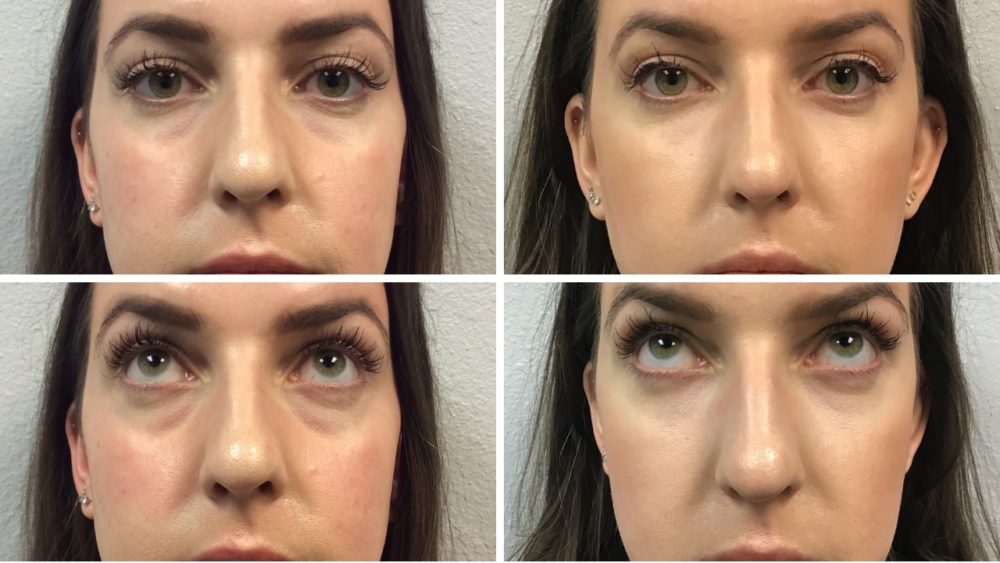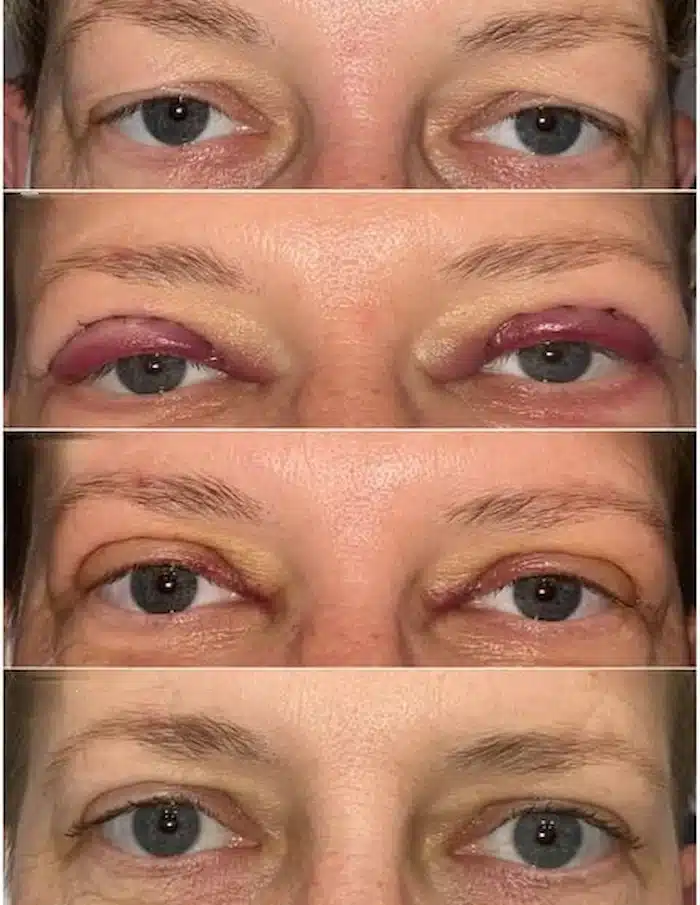
Early signs of skin aging include fine lines around the eyes and mouth, uneven skin tone, rough texture, enlarged pores, dullness, and a gradual loss of firmness. These changes begin in the mid-to-late 20s when collagen production starts declining at approximately 1% per year, and they accelerate through each subsequent decade due to cumulative UV exposure, lifestyle factors, and hormonal shifts. The good news is that modern treatment options, from medical-grade retinoids and professional chemical peels to microneedling, fractional laser resurfacing, and neurotoxin injectables, can measurably slow, prevent, and even reverse visible skin aging when started at the right time. This guide covers exactly what causes your skin to age, which signs appear first, which professional treatments produce the strongest clinical results at each stage, and how to build a daily routine that protects your results for years.
What Are the First Signs of Aging on the Face?
The first signs of aging on the face are fine lines around the outer corners of the eyes (crow’s feet), faint horizontal lines across the forehead, a subtle loss of skin radiance, increasingly uneven skin tone, and a rougher surface texture that was not present in younger years. These changes appear because the dermal layer of the skin begins producing less collagen and elastin, the two structural proteins responsible for firmness and bounce. The American Academy of Dermatology confirms that collagen production decreases by approximately 1% per year starting in the mid-20s, which means that by age 30 a person has already lost roughly 5 to 10% of their total skin collagen.
Fine lines develop first in areas where the skin moves most frequently. The orbicularis oculi muscle around the eye contracts every time you squint, smile, or blink. Repeated contraction creates creases in the overlying skin. In younger skin, collagen fibers spring back and smooth those creases between contractions. As collagen density decreases, the skin loses its ability to rebound, and the creases become etched into the surface as permanent fine lines. Forehead lines follow the same pattern, driven by the frontalis muscle that lifts the eyebrows during expression.
Dullness and uneven tone appear because the natural cell turnover cycle slows with age. In your 20s, the epidermis renews itself approximately every 28 days. By your 40s, that cycle stretches to 40 to 50 days. Dead keratinocytes accumulate on the surface longer, scattering light unevenly and producing the flat, tired appearance that patients frequently describe as their skin “losing its glow.”
At What Age Does Skin Start Aging?
Skin starts aging in the mid-20s at the cellular level, even though visible signs typically do not appear until the late 20s or early 30s. The decline in collagen synthesis begins around age 25, and the cumulative effects of UV exposure, environmental pollution, and lifestyle factors compound that decline over the following years. A research review published by the National Institutes of Health confirms that age-related changes such as loss of elastic fibers and collagen cause the skin to develop wrinkles and become more fragile as the decades progress.
The timeline varies by individual. Genetics determine the baseline rate of collagen production, the density of melanin (which affects UV susceptibility), and the thickness of the dermis. Lifestyle factors then accelerate or decelerate that genetic baseline. A person who wears daily sunscreen, does not smoke, sleeps 7 to 9 hours per night, and uses a retinoid starting in their mid-20s will show visible aging signs significantly later than someone with the same genetics who tans frequently and smokes.
What Is the 90% Cause of Skin Aging?
The 90% cause of visible skin aging is ultraviolet (UV) radiation from the sun, a process called photoaging. According to the Skin Cancer Foundation and the Cleveland Clinic, UV exposure is responsible for up to 90% of the visible changes to the skin, including wrinkles, age spots, loss of elasticity, and uneven pigmentation. The remaining 10% comes from other environmental factors like high-energy visible (HEV) light from electronic devices and infrared radiation.
Photoaging differs from chronological (intrinsic) aging in both mechanism and outcome. Chronological aging produces a gradual, uniform thinning of the skin with fine wrinkles and mild elasticity loss. Photoaging produces deeper wrinkles, rough leathery texture, irregular pigmentation (sun spots), broken blood vessels, and a mottled appearance that chronological aging alone does not cause. The difference becomes visible when you compare sun-exposed skin on the face and hands with sun-protected skin on the inner upper arm or torso. The contrast demonstrates exactly how much of what we call “aging” is actually accumulated sun damage.
UV radiation damages skin through two primary wavelengths. UVA rays (320 to 400 nanometers) penetrate deep into the dermis where they activate matrix metalloproteinases (MMPs), enzymes that break down collagen and elastin fibers. UVB rays (290 to 320 nanometers) damage the epidermis, causing sunburn and direct DNA mutations in keratinocytes. Chronic UVA exposure degrades the collagen scaffold that gives skin its structure, while chronic UVB exposure accelerates surface damage and increases skin cancer risk. Both wavelengths contribute to the visible signs of aging and wrinkles that patients seek treatment for.
What Accelerates Aging the Most?
What accelerates aging the most, beyond UV exposure, is a combination of smoking, chronic stress, poor sleep, high-sugar diets, and excessive alcohol consumption. Each factor independently damages the skin through a specific biological mechanism, and multiple factors acting together compound the damage exponentially.
Smoking introduces toxins that break down collagen and elastin fibers directly, reduce blood flow to the skin by constricting capillaries, and deplete vitamin C levels that fibroblasts need for collagen synthesis. The Cleveland Clinic reports that nicotine toxins alter cells in the body, leading to sagging, wrinkles, and a hollow, gaunt facial appearance. Chronic stress elevates cortisol, the stress hormone, which blocks hyaluronan synthase and collagen production simultaneously, per Cleveland Clinic research. High-sugar diets promote a process called glycation, where sugar molecules bind to collagen fibers and form advanced glycation end products (AGEs) that stiffen and weaken the collagen network.
What Habits Age You the Most?
The habits that age you the most are specific daily behaviors that compound UV and lifestyle damage over time. The following habits contribute most significantly to premature skin aging:
- Skipping sunscreen on days that seem overcast or when you plan to be indoors near windows. UVA rays penetrate clouds and glass, delivering cumulative damage even on non-sunny days.
- Smoking or vaping, which constricts blood vessels in the outermost layers of the skin, reduces oxygen and nutrient delivery, and directly degrades collagen fibers.
- Sleeping fewer than 7 hours per night. Studies cited by the Cleveland Clinic show that low quality or insufficient sleep makes cells age faster because the body’s repair processes require deep sleep cycles to synthesize new collagen and clear damaged proteins.
- Consuming a diet high in refined sugar and processed carbohydrates, which accelerates glycation and produces stiff, brittle collagen fibers that fracture instead of flexing.
- Drinking alcohol regularly, which dehydrates the skin, depletes antioxidant reserves, and impairs the liver’s ability to process toxins that affect skin health.
- Not removing makeup before sleeping, which traps environmental pollutants and oxidized sebum against the skin overnight, promoting free radical damage in the epidermis.
How Does Collagen Loss Affect the Skin?
Collagen loss affects the skin by reducing the structural scaffold that holds the dermis firm, smooth, and resilient. Collagen type I constitutes 80 to 85% of the skin’s structural protein, according to published dermatology reviews. As collagen fibers degrade and new collagen production slows, the dermis thins, loses density, and cannot support the epidermis as effectively. The visible result is sagging, wrinkle formation, enlarged pores, and a loss of the plump, bouncy quality that characterizes youthful skin.
The collagen decline accelerates at specific life stages. Women lose up to 30% of their skin collagen within the first five years after menopause, driven by the sharp decline in estrogen that directly supports fibroblast activity. Research published by the NCBI shows that chronologically aged skin in people over 80 demonstrates a 68% reduction in type I procollagen compared to people aged 18 to 29. Between ages 30 and 80, unexposed skin can lose up to 50% of its total thickness, according to dermatology literature.
Fibroblasts, the cells responsible for producing collagen, become senescent (functionally inactive) with age and cumulative UV damage. Senescent fibroblasts produce less collagen and more MMPs, creating a feedback loop where the existing collagen is broken down faster than new collagen is synthesized. This imbalance is the central mechanism behind visible skin aging, and it is the primary target of every effective professional facial and in-office anti-aging treatment.
How to Treat Early Signs of Skin Aging
Treating early signs of skin aging requires a combination of daily topical care, periodic professional treatments, and consistent lifestyle habits that address the underlying collagen decline, UV damage accumulation, and cellular turnover slowdown simultaneously. The most effective approach matches treatment intensity to the stage of aging: lighter interventions for early signs in the 20s and 30s, progressively stronger treatments for moderate changes in the 40s and 50s.
For patients in their late 20s and 30s noticing the first fine lines and dullness, the foundation is a medical-grade skincare routine built around a retinoid, vitamin C serum, and daily broad-spectrum SPF 30 or higher. Professional treatments at this stage include laser skin treatments like Clear + Brilliant for gentle resurfacing, light chemical peels for texture refinement, and HydraFacial for deep hydration and exfoliation. These treatments maintain skin quality and prevent damage from accumulating.
For patients in their 40s and beyond dealing with deeper lines, volume loss, laxity, and pigmentation changes, treatment protocols expand to include microneedling for collagen induction, fractional laser resurfacing for deeper textural correction, biostimulation therapies that trigger the body’s own collagen production, and injectable treatments for wrinkle relaxation and volume restoration. The global anti-aging market reflects this demand: the industry is valued at $78.5 billion in 2025 and projected to reach $134.1 billion by 2035, according to Custom Market Insights.
Can You Reverse Early Signs of Aging?
Yes, you can reverse early signs of aging through treatments that stimulate new collagen production, resurface damaged skin cells, and restore volume that has been lost. Prevention remains more effective than correction, but modern non-surgical treatments have made measurable reversal of visible signs of aging a clinical reality. Approximately 20.54 million non-surgical cosmetic procedures were performed worldwide in 2025, according to the International Society of Aesthetic Plastic Surgery, reflecting the scale at which patients are successfully treating aging skin without surgery.
Reversal works because the skin retains the biological machinery for repair throughout life. Fibroblasts can be reactivated by controlled injury (microneedling, laser, RF energy), chemical signaling (retinoids, growth factors, peptides), and mechanical stimulation (radiofrequency, ultrasound). Reactivated fibroblasts produce new collagen type I and type III, which thickens the dermis, firms the skin surface, and reduces the depth of existing wrinkles over weeks to months following treatment.
What Non-Surgical Treatments Reduce Wrinkles?
The non-surgical treatments that reduce wrinkles include neurotoxins (Botox, Dysport, Xeomin, Daxxify, Jeuveau), dermal fillers (hyaluronic acid gels), microneedling, radiofrequency microneedling, fractional laser resurfacing, chemical peels, LED light therapy, and biostimulatory injectables (Sculptra, PRF, PRFM). Each treatment targets a different mechanism of wrinkle formation, and combination protocols produce results that exceed what any single treatment achieves alone.
Neurotoxins address dynamic wrinkles, the lines formed by repeated muscle contraction. Neurotoxin treatments account for approximately 42% of all med spa visits in the United States, according to data from the American Med Spa Association and the American Society for Dermatologic Surgery. The treatment temporarily relaxes targeted facial muscles by blocking acetylcholine release at the neuromuscular junction. Results appear within 3 to 7 days, peak at 10 to 14 days, and last 3 to 4 months. Injectable treatments like dermal fillers address static wrinkles and volume loss by physically restoring volume beneath the skin surface. Hyaluronic acid fillers attract water molecules that plump the treated area, smoothing folds and creases from within.
Microneedling and fractional lasers address wrinkles caused by collagen loss and textural damage. Both treatments create controlled injury in the dermis that triggers the wound-healing cascade, generating new collagen and elastin fibers over 4 to 12 weeks. Radiofrequency treatments add thermal energy to the collagen remodeling process, producing deeper structural tightening than mechanical injury alone. Non-invasive facial treatments represent 73% of all facial procedures performed globally, according to 360 Research Reports, and wrinkle reduction is the most common treatment goal among patients aged 25 to 54.
Is Botox Effective for Early Wrinkles?
Yes, Botox is effective for early wrinkles because it relaxes the muscles that create dynamic lines before those lines become permanently etched into the skin. Preventative Botox has become one of the fastest-growing trends in aesthetic medicine among patients in their late 20s and 30s. The treatment reduces the repetitive muscle contractions that deepen crow’s feet, forehead lines, and frown lines over time. By starting neurotoxin treatments before deep static lines form, patients effectively slow the progression of visible aging rather than waiting to correct damage after it has occurred.
Botox treatment for early wrinkles typically requires lower doses than treatment for established deep wrinkles, and the subtle results preserve natural facial expression while preventing crease formation. The Botox treatment segment dominated the anti-aging services market with a 32.9% revenue share in 2025, according to DataBridge Market Research, reflecting its widespread acceptance as both a corrective and preventative anti-aging solution.
How Does Microneedling Help Aging Skin?
Microneedling helps aging skin by creating controlled micro-injuries in the dermis that reactivate fibroblasts and trigger new collagen and elastin production. The procedure uses a device fitted with fine sterile needles that penetrate 0.5 to 2.5 millimeters into the skin, reaching the dermal layer where collagen fibers reside. Each micro-injury activates the wound-healing cascade: an inflammatory response brings growth factors to the treatment area, followed by a proliferative phase where fibroblasts generate new structural proteins, followed by a remodeling phase where collagen fibers mature and cross-link into their final configuration over 4 to 12 weeks.
For aging skin specifically, microneedling addresses multiple signs simultaneously. New collagen firms and thickens the dermis, reducing fine line depth and improving skin laxity. The accelerated cell turnover clears dull surface cells, brightening the complexion. The micro-channels created during treatment also enhance absorption of topical serums (vitamin C, hyaluronic acid, growth factors) by up to 200 to 300%, amplifying the anti-aging effects of the active ingredients applied during and after the procedure.
What Procedure Takes 10 Years Off Your Face?
The procedure that takes 10 years off your face is typically a combination protocol that addresses dynamic wrinkles, static wrinkles, volume loss, skin texture, and laxity in a coordinated treatment plan over 3 to 6 months. No single procedure produces a “10-year reversal” on its own. The dramatic results patients see in before-and-after galleries come from strategic layering of complementary treatments, with each treatment targeting a different aging mechanism.
A common combination protocol that produces significant visible age reversal includes neurotoxin treatment for dynamic wrinkles (forehead, crow’s feet, frown lines), dermal filler placement for volume restoration (cheeks, nasolabial folds, temples), a series of 3 to 4 microneedling or RF microneedling sessions for collagen rebuilding and texture improvement, and a consistent medical-grade skincare routine at home. We see patients throughout the Michigan Oakland County area who follow this combination approach and achieve transformative results that genuinely take years off their appearance.
| Treatment | Mechanism | Best Age Range | Treats | Sessions | Downtime |
|---|---|---|---|---|---|
| Neurotoxins (Botox, Dysport) | Muscle relaxation via acetylcholine blockade | Late 20s and up | Dynamic wrinkles (forehead, crow’s feet, frown lines) | Every 3 to 4 months | None |
| Dermal Fillers (HA gels) | Volume restoration via hyaluronic acid injection | 30s and up | Static wrinkles, volume loss, nasolabial folds | 1 to 2 sessions, lasts 6 to 18 months | 1 to 3 days swelling |
| Microneedling | Collagen induction via controlled micro-injury | Late 20s and up | Fine lines, texture, dullness, mild laxity | 3 to 6 sessions, 4-6 weeks apart | 1 to 3 days redness |
| RF Microneedling (Morpheus8) | Collagen remodeling via thermal + mechanical injury | 30s and up | Moderate wrinkles, laxity, texture, jowling | 2 to 4 sessions, 4-6 weeks apart | 3 to 5 days |
| Fractional Laser (Halo, BBL) | Thermal collagen remodeling + surface resurfacing | 30s and up | Sun damage, pigmentation, deep texture, wrinkles | 1 to 3 sessions | 3 to 7 days |
| Chemical Peels | Controlled exfoliation triggering cell renewal | 20s and up | Dullness, uneven tone, mild fine lines, texture | 4 to 6 sessions, every 2-4 weeks | 1 to 7 days (varies by depth) |
| Biostimulators (Sculptra, PRF) | Gradual collagen production via biological signaling | 30s and up | Volume loss, laxity, overall skin quality | 2 to 3 sessions, 4-6 weeks apart | 1 to 2 days |
| Skin Tightening (Ultherapy, Emface) | Focused ultrasound or HIFES energy to lift tissue | 40s and up | Laxity, jowling, brow droop, neck sagging | 1 to 2 sessions per year | None to minimal |
Sources: American Med Spa Association (AmSpa); American Society for Dermatologic Surgery (ASDS); International Society of Aesthetic Plastic Surgery (ISAPS, 2025); 360 Research Reports; Cleveland Clinic treatment guidelines; DataBridge Market Research (2025).
What Tightens Skin Immediately?
What tightens skin immediately are treatments that deliver energy (radiofrequency, ultrasound, or electrical muscle stimulation) to the dermal and subdermal layers, producing an instant contractile response in collagen fibers. Skin tightening devices like Ultherapy use micro-focused ultrasound to heat targeted tissue at precise depths, causing existing collagen fibers to contract and shorten on contact. This contraction produces a visible lifting effect on the same day as treatment.
Emface combines radiofrequency energy with high-intensity facial electrical stimulation (HIFES) to tighten the skin and tone the underlying facial muscles simultaneously. The RF component heats collagen for immediate tightening, while the HIFES component contracts facial muscles in a way that lifts sagging tissue. Thread lifts offer another option for immediate structural lifting by inserting dissolvable PDO (polydioxanone) threads beneath the skin that physically reposition sagging tissue and stimulate collagen production along the thread pathway over the following months.
Dermal fillers also produce instant visible tightening by restoring volume to areas where structural support has been lost. Filler placed in the cheeks, temples, or jawline creates a scaffolding effect that lifts the overlying skin, reducing the appearance of jowling and nasolabial folds immediately after injection. The global dermal fillers and botulinum toxin market is valued at $17.55 billion in 2025 and projected to reach $47.41 billion by 2035, according to Business Research Insights, driven largely by consumer demand for these immediate-result, non-surgical tightening and rejuvenation treatments.
What Skincare Routine Slows Aging?
The skincare routine that slows aging combines daily sun protection, active ingredients that stimulate collagen synthesis, antioxidants that neutralize free radical damage, and consistent hydration that supports the skin barrier. The following evidence-based routine, used daily, builds the foundation that professional treatments amplify:
- Morning cleanser: Use a gentle, non-comedogenic cleanser with warm water. Avoid harsh sulfate-based formulas that strip the skin barrier and trigger compensatory oil production.
- Morning vitamin C serum (15 to 20% L-ascorbic acid): Vitamin C neutralizes free radicals from UV and pollution exposure, inhibits melanin overproduction (reducing age spots), and serves as a cofactor for collagen synthesis in fibroblasts.
- Morning moisturizer + SPF 30 or higher: Apply a broad-spectrum sunscreen every single day. UV exposure causes 90% of visible skin aging, so daily SPF is the single most impactful anti-aging step you can take. Reapply every two hours during extended outdoor time.
- Evening cleanser: Double cleanse on days you wear sunscreen or makeup. An oil-based cleanser dissolves sunscreen and sebum; a water-based cleanser removes remaining residue.
- Evening retinoid: Apply prescription tretinoin (0.025 to 0.1%) or over-the-counter retinol to clean, dry skin. Retinoids accelerate cell turnover, stimulate collagen production, and reduce the appearance of fine lines, wrinkles, and hyperpigmentation over 8 to 12 weeks of consistent use.
- Evening moisturizer: Seal in hydration with a ceramide-rich or hyaluronic acid-based moisturizer. Adequate hydration supports the skin barrier and reduces transepidermal water loss that contributes to dryness and fine line visibility.
A 2025 survey of U.S. adults found that 89% purchase skincare products but only 46% follow a daily routine, according to consumer data from Circana. Patients who commit to this six-step routine and pair it with periodic professional treatments see dramatically better long-term results than those who rely on either routine alone. The medical-grade skincare products we recommend produce measurable improvement in skin quality within 8 to 12 weeks of consistent use.
How Does Retinol Fight Aging?
Retinol fights aging by converting into retinoic acid within the skin, binding to nuclear retinoid receptors on fibroblasts and keratinocytes, and activating gene transcription pathways that increase collagen synthesis and accelerate cell turnover. The increased collagen production thickens the dermis and reduces wrinkle depth from within. The accelerated cell turnover pushes fresh, evenly pigmented cells to the surface faster, replacing the dull, damaged cells that contribute to rough texture and age spots.
Retinoids are the most thoroughly studied topical anti-aging ingredient in dermatology. Decades of peer-reviewed research confirm their ability to reduce fine lines, improve skin texture, fade hyperpigmentation, and increase dermal collagen density with consistent use. The results are dose-dependent and cumulative: higher-strength prescription retinoids (tretinoin) produce faster, more dramatic results, while over-the-counter retinol produces the same effects at a slower, gentler pace.
What Are 4 Habits to Slow Aging?
The four habits that slow aging most effectively are daily sun protection, consistent sleep, a nutrient-dense diet rich in antioxidants, and active stress management. Each habit targets a specific biological mechanism that drives premature skin aging.
Daily sun protection with broad-spectrum SPF 30 or higher prevents the 90% of visible aging caused by UV radiation. The American Academy of Dermatology recommends sunscreen every day, even on cloudy days and during winter months, because UVA rays penetrate clouds and glass year-round. Consistent sleep of 7 to 9 hours per night allows the body to activate repair processes that synthesize new collagen, clear damaged proteins, and restore cellular energy. Studies cited by the Cleveland Clinic confirm that insufficient sleep accelerates cellular aging.
A diet rich in antioxidants (vitamins C and E, polyphenols from berries, omega-3 fatty acids from fish) neutralizes the free radicals that UV exposure and environmental pollution generate in the skin. Free radicals damage collagen fibers, cell membranes, and DNA. Antioxidant-rich foods counteract this damage at the molecular level. Stress management through exercise, meditation, or other consistent practices reduces cortisol output. Elevated cortisol blocks both hyaluronan synthase (which produces the hyaluronic acid that keeps skin plump) and collagen synthesis, per Cleveland Clinic research.
How to Look 10 Years Younger Than Your Age Naturally
Looking 10 years younger than your age naturally requires combining all three pillars: consistent professional treatments, a daily medical-grade skincare routine, and the four anti-aging lifestyle habits. The “naturally” component does not mean avoiding professional treatments; it means choosing treatments that enhance your own skin’s repair capacity rather than masking aging with heavy coverage or dramatic surgical alteration.
The patients who look significantly younger than their chronological age share common patterns: they started SPF use early, they introduced retinoids in their late 20s or early 30s, they receive periodic professional treatments (quarterly neurotoxins, annual or biannual wrinkle treatments, monthly maintenance facials), and they protect their results with consistent at-home care. The 84% of people who cite improved appearance as their primary motivation for seeking professional facial treatments, according to 360 Research Reports, understand that maintaining skin quality over time produces far better outcomes than attempting a single dramatic correction after years of accumulated damage.
Frequently Asked Questions
What Is the Difference Between Intrinsic and Extrinsic Aging?
The difference between intrinsic and extrinsic aging is that intrinsic aging is the natural, genetically determined decline in skin structure that occurs with time, while extrinsic aging is the accelerated damage caused by external factors like UV exposure, smoking, pollution, and poor nutrition. Intrinsic aging produces gradual, uniform changes (thin skin, fine wrinkles, mild elasticity loss). Extrinsic aging produces deeper wrinkles, irregular pigmentation, rough texture, and visible broken blood vessels. Up to 90% of visible facial aging is extrinsic, meaning it is largely preventable.
What Ages Your Face the Most?
What ages your face the most is cumulative, unprotected sun exposure. UV radiation accounts for up to 90% of visible skin changes, including wrinkles, age spots, loss of elasticity, and uneven skin tone, according to the Skin Cancer Foundation and the Cleveland Clinic. Smoking is the second most significant accelerator, followed by chronic stress and poor sleep quality.
At What Age Should You Start Anti-Aging Treatments?
You should start anti-aging treatments in your mid-to-late 20s, when collagen production begins declining. At this stage, treatments focus on prevention: daily SPF, retinoid introduction, and gentle professional treatments like light chemical peels and HydraFacial. Adults aged 25 to 54 represent 68% of all facial treatment consumers in the United States, according to Business Research Insights, with the preventative segment among younger patients growing fastest.
Do Non-Surgical Treatments Really Work for Aging Skin?
Yes, non-surgical treatments produce clinically measurable improvement in aging skin. Microneedling, fractional lasers, neurotoxins, dermal fillers, RF microneedling, and biostimulatory injectables have each been validated in peer-reviewed clinical trials. Non-invasive facial treatments represent 73% of all facial procedures performed globally, and the global dermal fillers and botulinum toxin market is projected to grow from $17.55 billion in 2025 to $47.41 billion by 2035, reflecting sustained patient demand driven by consistently positive clinical outcomes.
How Often Should You Get Professional Anti-Aging Treatments?
How often you should get professional anti-aging treatments depends on the treatment type. Neurotoxins require retreatment every 3 to 4 months as the muscle-relaxing effect wears off. Microneedling sessions are spaced 4 to 6 weeks apart for a series of 3 to 6, with annual maintenance sessions afterward. Chemical peels can be performed every 2 to 4 weeks during an active treatment series, then quarterly for maintenance. Dermal fillers last 6 to 18 months depending on the product and placement area. Skin tightening treatments like Ultherapy are typically performed once per year.
Putting It All Together
Skin aging is a biological process with identifiable causes and proven treatment solutions at every stage. The 90% of visible aging caused by UV exposure is largely preventable with consistent sunscreen use. The collagen decline that begins in the mid-20s responds measurably to retinoids, professional collagen-stimulating treatments, and lifestyle habits that support the skin’s natural repair capacity. The modern treatment landscape offers more options than ever, from gentle preventative facials in your 20s to combination protocols that can reverse years of accumulated damage in your 40s, 50s, and beyond.
We build every anti-aging treatment plan at FACE Skincare Medical Wellness around the individual patient’s skin condition, age, goals, and lifestyle. Whether you are noticing the very first fine lines or looking to address deeper changes that have developed over years, a consultation with our team is the best starting point. We will assess your skin, identify which aging mechanisms are most active, and recommend the combination of treatments and home care that will produce the strongest, most sustained improvement. Call us at (248) 663-0161 to schedule your consultation.