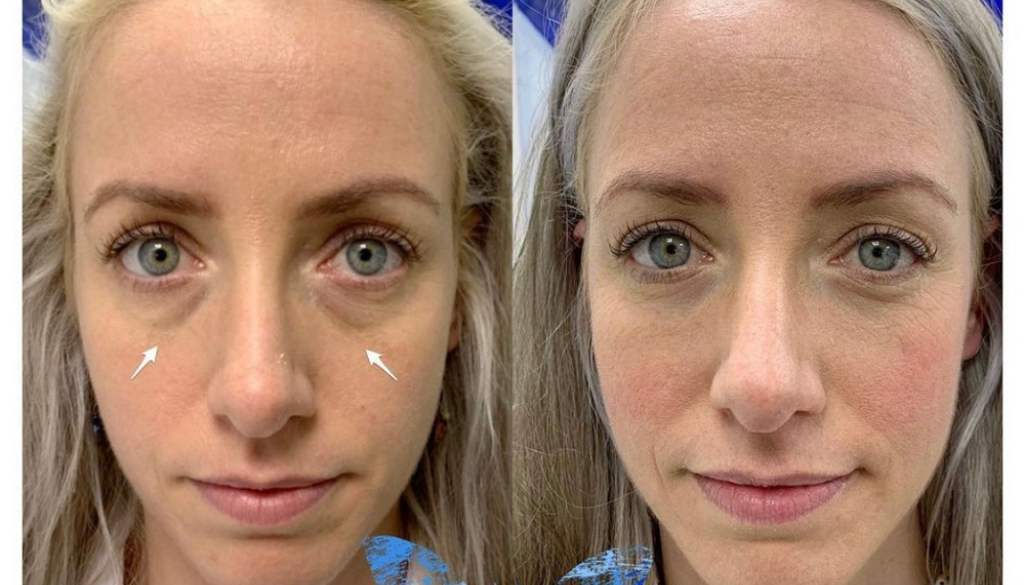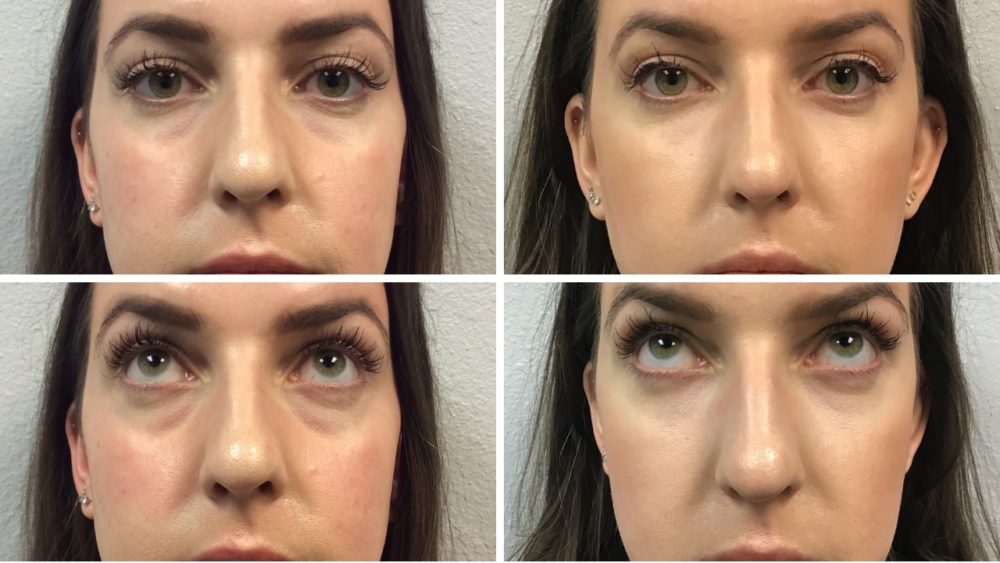
Regenerative aesthetic treatments use the body’s own biology, including concentrated platelets, growth factors, fibrin matrices, and cell-derived signaling molecules, to stimulate collagen production, rebuild the dermal matrix, and produce natural skin rejuvenation from the inside out. Unlike traditional aesthetic treatments that add synthetic volume or temporarily relax muscle, regenerative aesthetics reactivate the body’s own repair systems so the skin continues improving long after the treatment session ends. A meta-analysis of 9 randomized controlled trials involving 358 patients, published in the Aesthetic Surgery Journal Open Forum (2026), found that platelet-rich plasma (PRP) interventions produced significantly higher patient satisfaction compared to controls (risk ratio 1.34, 95% confidence interval 1.07-1.67, P=0.01). A separate 2025 systematic review published in PMC documented that platelet-rich fibrin (PRF) produced wrinkle improvement in 73.9% of patients at three months, rising to 78.3% at six months, confirming that regenerative treatments produce progressive, compounding results.
This guide covers the science behind how growth factors rebuild skin at the cellular level, the major regenerative modalities available in medical spas today, the clinical evidence supporting each one, how regenerative treatments amplify the results of device-based procedures like RF microneedling and lasers, and how to determine which approach fits your goals. Regenerative aesthetics represents a fundamental shift in how we approach aging skin: instead of covering or filling the visible effects of aging, we are stimulating the body to repair the structural foundation that aging has degraded.
What Is Regenerative Aesthetics?
Regenerative aesthetics is a category of aesthetic medicine that uses the body’s own biological materials, including concentrated platelets, growth factors, fibrin scaffolds, and extracellular vesicles, to stimulate tissue repair, collagen production, and cellular renewal rather than relying on synthetic fillers or neurotoxins to mask the effects of aging. The American Society of Plastic Surgeons (ASPS) describes regenerative aesthetics as “the next generation of anti-aging,” noting that the goal is to “awaken your skin’s natural repair systems so it continues improving long after treatment.” The core principle is autologous therapy, meaning the treatment materials come from the patient’s own body, which eliminates the risk of allergic reaction and produces results that integrate naturally with the existing tissue structure.
The field encompasses several distinct modalities: platelet-rich plasma (PRP), platelet-rich fibrin (PRF), platelet-derived growth factor (PDGF), exosomes, and autologous biofillers. Each modality delivers a different concentration and release profile of growth factors to the skin, and each serves a different role within a comprehensive regenerative treatment plan. What unites them is the underlying mechanism: delivering concentrated biological signals that instruct fibroblasts, the collagen-producing cells in the dermis, to synthesize new collagen, elastin, and extracellular matrix components that restore the skin’s structural foundation.
What Is the Difference Between Regenerative and Traditional Aesthetics?
The difference between regenerative and traditional aesthetics is that regenerative treatments rebuild the skin’s structural foundation through biological stimulation, while traditional treatments add volume (fillers), relax muscle (neurotoxins), or resurface the skin (lasers/peels) without activating the body’s own repair capacity. Dermal fillers like hyaluronic acid physically occupy space in the tissue to restore volume, but the filler eventually dissolves and the volume disappears. Neurotoxins relax the muscles that create expression lines, but the effect wears off as the product metabolizes. Both produce valuable results, but neither changes the underlying biology of the skin. Regenerative treatments activate fibroblasts to produce new collagen and elastin, which means the structural improvement the treatment creates becomes part of the skin itself. The ASPS notes that with regenerative approaches, “you’re not covering up aging; you’re retraining your skin to age differently.”
How Do Growth Factors Stimulate Collagen Production?
Growth factors stimulate collagen production by binding to specific receptors on fibroblast cell surfaces, triggering a cascade of intracellular signals that activate the genes responsible for producing collagen, elastin, and other extracellular matrix proteins. The three primary growth factors in regenerative aesthetics are platelet-derived growth factor (PDGF), transforming growth factor beta (TGF-β), and vascular endothelial growth factor (VEGF). PDGF recruits fibroblasts to the treatment site and stimulates their proliferation. TGF-β directs those fibroblasts to produce new collagen fibers and organize them into the structured matrix that gives skin its firmness. VEGF promotes the formation of new blood vessels (angiogenesis) that supply the regenerating tissue with oxygen and nutrients.
This three-factor cascade, recruitment, production, and vascularization, mirrors the body’s natural wound-healing response. When the skin is injured, platelets arrive at the wound site and release these same growth factors to initiate repair. Regenerative aesthetic treatments concentrate and deliver these growth factors to specific areas of the face and body where collagen has declined due to aging, sun damage, or other degradation. The result is a controlled, targeted activation of the same repair pathways that the body uses to heal a wound, but directed toward rebuilding the collagen framework that has thinned with age. Collagen production declines approximately 1% per year starting in the mid-twenties, and regenerative treatments counteract this decline by restarting the production process in areas where it has slowed.
What Are the Regenerative Treatments in Aesthetics?
The regenerative treatments in aesthetics include platelet-rich plasma (PRP), platelet-rich fibrin (PRF), platelet-derived growth factor (PDGF), exosome therapy, and autologous biofillers, each delivering growth factors and biological signals through a different mechanism and release profile.
How Does PRP Work for Skin Rejuvenation?
PRP works for skin rejuvenation by concentrating the platelets from a small sample of the patient’s own blood and reintroducing that concentrated plasma into the skin, where the platelets release growth factors that activate fibroblasts and stimulate collagen production. The process begins with a standard blood draw of approximately 10-20 milliliters. The blood is placed in a centrifuge that spins at high speed, separating the red blood cells from the platelet-rich plasma. The concentrated PRP, which contains 3-7 times more platelets than whole blood, is then injected into the skin or applied topically after microneedling.
- Blood is drawn from the patient’s arm into a specialized collection tube.
- The tube is placed in a centrifuge and spun for 5-10 minutes to separate the blood components by density.
- The platelet-rich plasma layer is extracted, concentrating the platelets and their growth factors.
- The concentrated PRP is injected into targeted facial areas or applied to the skin after microneedling to allow the growth factors to penetrate through the micro-channels.
- Growth factors are released at the treatment site, activating fibroblasts and initiating collagen synthesis that continues for 3-6 months.
The 2026 meta-analysis published in the Aesthetic Surgery Journal Open Forum confirmed that PRP produces significantly higher patient satisfaction than controls across 9 randomized controlled trials. Clinical studies document a 1.5-fold increase in skin density at the 3-6 month peak of collagen remodeling. PRP is one of the safest and most versatile regenerative tools available because the material comes entirely from the patient’s own blood, eliminating the risk of allergic reaction or rejection.
What Is the Difference Between PRP and PRF?
The difference between PRP and PRF is that PRF is processed without anticoagulant additives, which allows it to form a natural fibrin matrix that releases growth factors more slowly and sustainably than PRP. PRP preparation uses an anticoagulant in the collection tube to keep the blood from clotting, which produces a liquid concentrate that releases its growth factors rapidly after injection. PRF is prepared without anticoagulant, allowing the blood to begin its natural clotting process during centrifugation. This produces a fibrin scaffold, a mesh-like protein structure, that traps the platelets and their growth factors within it. The fibrin matrix then releases those growth factors gradually over up to two weeks, according to the 2025 NIH/PMC systematic review, compared to PRP’s faster but shorter release window.
The clinical difference is measurable. In a prospective cohort of 55 patients, PRF showed statistically significant superiority over PRP in canthal smoothness and wrinkle reduction at three months, with p-values ranging from 0.025 to 0.028. Wrinkle improvement reached 73.9% at three months and rose to 78.3% at six months, suggesting that collagen remodeling continued well beyond the treatment window. The sustained growth factor release from PRF’s fibrin matrix produces a more prolonged tissue stimulation response, which is why we see PRF as the natural evolution of PRP in regenerative aesthetics.
What Are Exosomes and How Do They Work in Aesthetics?
Exosomes are microscopic extracellular vesicles, typically 30-150 nanometers in diameter, that carry proteins, lipids, and signaling molecules from one cell to another, delivering instructions that direct cellular behavior including repair, regeneration, and collagen production. In aesthetic medicine, exosome therapy delivers concentrated exosomes derived from stem cell cultures to the skin, where they instruct the recipient cells to activate regenerative processes. The ASPS describes exosomes as “microscopic messengers that act like cellular text messages, delivering powerful instructions to damaged cells to regenerate.” Exosomes do not contain living cells; they carry the signaling molecules that direct cells to behave as if they have received a repair signal, stimulating fibroblast activity, collagen production, and tissue renewal.
What Is PDGF Therapy and How Does It Differ From PRP?
PDGF therapy uses a synthesized form of platelet-derived growth factor to initiate the wound-healing cascade without requiring a blood draw, delivering one of the most potent collagen-stimulating signals directly to the treatment site. As the ASPS explains, PDGF is “synthesized in the lab, so it mimics what’s found in you or me.” When PDGF is introduced to the skin, it triggers the same biological cascade that platelets initiate naturally: fibroblast recruitment, collagen synthesis, and tissue remodeling. AiREssence Pure PDGF delivers this concentrated growth factor signal in a single treatment application. The advantage of PDGF therapy over PRP is consistency: the growth factor concentration is standardized rather than dependent on the patient’s individual platelet count and blood composition.
How Do Regenerative Treatments Compare?
Regenerative treatments compare across five dimensions: the source of the biological material, the growth factor release profile, the clinical evidence supporting each modality, the treatment applications, and the number of sessions required.
| Treatment | Source | Growth Factor Release | Key Clinical Evidence | Best Applications | Sessions |
|---|---|---|---|---|---|
| PRP (Platelet-Rich Plasma) | Patient’s own blood | Rapid release (hours to days) | Meta-analysis: RR 1.34 satisfaction (P=0.01); 1.5x skin density increase | Skin rejuvenation, hair restoration, post-laser recovery, under-eye crepiness | 3-4 sessions, 4-6 weeks apart |
| PRF (Platelet-Rich Fibrin) | Patient’s own blood (no anticoagulant) | Sustained release (up to 2 weeks) | 73.9% wrinkle improvement at 3 months; 78.3% at 6 months; statistically superior to PRP | Wrinkle reduction, volume restoration, skin quality, under-eye hollows | 2-3 sessions, 4-6 weeks apart |
| PDGF (AiREssence) | Lab-synthesized (mimics autologous) | Concentrated, standardized delivery | Initiates full wound-healing cascade; consistent concentration | Collagen induction, skin rejuvenation, complement to microneedling | 2-4 sessions |
| Exosomes | Stem cell-derived vesicles | Cell-signaling delivery | Emerging clinical data; ASPS identifies as breakthrough technology | Cellular regeneration, skin renewal, complement to energy-based devices | Varies by protocol |
| EZ Gel / Autologous Biofiller | Patient’s own blood (processed into gel) | Sustained (fibrin + albumin matrix) | Volume restoration + biostimulation in single treatment | Natural volume, facial contour, biostimulatory filling | 1-3 sessions |
Sources: Aesthetic Surgery Journal Open Forum 2026 (PRP meta-analysis, 9 RCTs, 358 patients); NIH/PMC 2025 systematic review (PRF wrinkle improvement, 55 patients); ASPS Feb 2026 article (Dr. Beck, Dr. Hamilton); La Belle Vie/ASPS 2025 trends report (PRP standout identification); MyMedicineAdvisor (1.5x skin density).
Does Regenerative Therapy Actually Work?
Yes, regenerative therapy actually works, as confirmed by randomized controlled trials, systematic reviews, and meta-analyses documenting measurable improvements in skin quality, wrinkle depth, skin density, and patient satisfaction. The evidence base is growing rapidly. The 2026 PRP meta-analysis across 9 RCTs found statistically significant improvement in patient satisfaction. The 2025 PRF systematic review documented wrinkle improvement in nearly 4 out of 5 treated patients at six months. Clinical studies measuring skin density after PRP treatment found a 1.5-fold increase at the 3-6 month peak. The ASPS 2025 aesthetic trends report identified PRP as a standout natural anti-aging treatment, reflecting growing clinical confidence in regenerative modalities. Results are gradual and cumulative rather than immediate, because they depend on the body’s biological collagen remodeling process, which unfolds over weeks and months.
What Is the Success Rate of Regenerative Medicine?
The success rate of regenerative medicine in aesthetic applications varies by modality and outcome measure, but published data shows consistently positive response rates across PRP and PRF treatments. The PRP meta-analysis documented a 34% higher likelihood of patient satisfaction compared to controls (RR 1.34). PRF produced measurable wrinkle improvement in 78.3% of treated patients at six months. High-platelet PRP preparations (exceeding 1,000,000 platelets per microliter) achieved clinically meaningful improvement at every follow-up timepoint in a 2025 meta-analysis of 1,995 patients. The success of any regenerative treatment depends on platelet concentration, the delivery method (injection vs. topical after microneedling), the patient’s baseline skin quality, and how well the patient supports the healing process through nutrition, hydration, and sun protection.
Can Regenerative Treatments Be Combined With Lasers or Microneedling?
Yes, regenerative treatments can be combined with lasers and microneedling, and the combination produces amplified results because the regenerative biologics deliver growth factors directly into the treatment channels that energy-based devices create. When PRP or PRF is applied to the skin immediately after RF microneedling, the micro-channels created by the needles allow the concentrated growth factors to penetrate directly into the dermal layer where collagen production occurs. A 2024 clinical study confirmed that microneedling with injectable PRF produced moderate improvements in skin texture, color, elasticity, and soft wrinkle filling. PRP applied after fractional laser treatment accelerates healing, reduces downtime, and enhances the collagen remodeling response. The ASPS notes that “the future of regenerative aesthetics is about synergy, blending these biologics to not just enhance appearance, but restore cellular function.”
This combination approach is where regenerative aesthetics delivers its greatest value. A standalone PRP session produces measurable improvement. A standalone RF microneedling session produces measurable improvement. But when both are combined, the RF microneedling creates the collagen-stimulating wound response AND the PRP delivers concentrated growth factors directly into that response, producing a compounding effect that neither treatment achieves alone. We use this regenerative combination approach across multiple treatment protocols, pairing growth factor therapy with device-based collagen stimulation for the strongest cumulative results.
How Many Sessions of Regenerative Treatment Are Needed?
The number of sessions of regenerative treatment needed depends on the modality, the treatment area, and the patient’s baseline skin quality, but most protocols involve 2-4 initial sessions followed by annual maintenance. PRP facial protocols typically involve 3-4 sessions spaced 4-6 weeks apart, allowing each session’s collagen remodeling to compound on the previous one. PRF protocols often require 2-3 sessions because the sustained growth factor release produces more prolonged stimulation per session. EZ Gel autologous biofiller sessions provide both volume restoration and biostimulation, often requiring 1-3 sessions depending on the degree of volume loss. Exosome therapy session counts vary by protocol and are determined during consultation. Maintenance sessions every 6-12 months sustain the collagen improvements achieved during the initial treatment series and counteract the ongoing 1% annual collagen decline.
How Long Do Regenerative Aesthetics Results Last?
Regenerative aesthetics results last 6 to 12 months from the peak of collagen remodeling, with maintenance sessions extending the improvements indefinitely. PRP and PRF results peak at 3-6 months post-treatment as the collagen remodeling process matures, then gradually diminish as natural aging resumes. The collagen that regenerative treatments produce is real, structural tissue that becomes part of the skin, but the body’s ongoing aging process continues to degrade collagen after treatment just as it did before. Annual maintenance sessions restart the growth factor stimulation cycle before significant collagen loss occurs, maintaining the cumulative improvement over years. Our guide to regenerative skincare covers how this ongoing approach compounds results over time.
The ASPS emphasizes that “the improvements in appearance are permanent but gradual,” and that “most results require some smaller-scale treatment every 1-2 years to maintain.” Patients who support their regenerative treatments with proper nutrition, hydration, consistent skincare, quality sleep, and sun protection see significantly longer-lasting results because the body’s collagen production systems are operating at their highest capacity.
What Are the Side Effects of Regenerative Therapy?
The side effects of regenerative therapy are minimal because most regenerative treatments use the patient’s own biological material (autologous therapy), eliminating the risk of allergic reaction or immune rejection. Common side effects include temporary redness, mild swelling, bruising at injection sites, and tenderness lasting 1-3 days. These effects result from the injection process itself rather than from the biological material being delivered. PRP and PRF carry no risk of allergic reaction because the concentrated platelets come from the patient’s own blood. Exosome therapy, which uses cell-derived vesicles rather than living cells, also carries a low side-effect profile.
One important regulatory note: the FDA has cleared PRP preparation equipment for the concentration of platelets, but the FDA has not approved PRP injections specifically for cosmetic use as of 2026. This means that PRP facial treatments are performed as an off-label application of cleared preparation technology. The clinical evidence supporting PRP and PRF in aesthetic applications is substantial and growing, as documented by the meta-analyses and systematic reviews cited throughout this guide. Patients should be aware of this regulatory distinction when making informed decisions about regenerative treatments. A thorough consultation at a practice with experience in PRF therapy provides the clinical context needed to evaluate risks and benefits.
Who Is a Good Candidate for Regenerative Aesthetics?
A good candidate for regenerative aesthetics is anyone who wants to improve skin quality, texture, firmness, and radiance through natural biological stimulation rather than synthetic augmentation. The ASPS identifies preventative patients in their 30s and 40s as seeing “the most transformative results because we’re working with tissue that’s most responsive.” Patients with early signs of collagen loss, fine lines, dull skin tone, and textural changes benefit from regenerative treatments as a proactive strategy. Patients with more advanced aging can also benefit; they typically require additional sessions to rebuild the foundation gradually. Regenerative treatments are also excellent complements to traditional aesthetics: a patient receiving fillers for volume and neurotoxins for expression lines adds regenerative therapy to improve the overall quality, density, and health of the skin surrounding those treatments.
Patients who should discuss regenerative therapy carefully with their provider include those with blood disorders that affect platelet count or function, those on anticoagulant medications, and those with active skin infections in the treatment area. The autologous nature of PRP and PRF makes them safe for virtually all skin types and tones, including Fitzpatrick types IV-VI, because the treatment material comes from the patient’s own body and carries no risk of pigmentation-related complications.
What Role Does Wellness Play in Regenerative Aesthetics Outcomes?
Wellness plays a critical role in regenerative aesthetics outcomes because the body’s ability to produce collagen, activate fibroblasts, and complete the tissue remodeling process depends directly on nutritional status, inflammatory balance, hormonal health, and cellular energy. The ASPS states that “the best results come when patients support the process with proper nutrition, hydration, consistent skincare and good sleep. If your body’s factory is running well, the repair systems we activate will perform exponentially better.”
At our Bingham Farms, Michigan practice, this principle is the foundation of our entire approach to regenerative aesthetics. Dr. Doug Cutler’s naturopathic practice evaluates and optimizes the internal factors that directly influence how well the body responds to regenerative treatments. Vitamin C is a required cofactor for collagen synthesis; without adequate vitamin C, fibroblasts cannot assemble collagen fibers. Zinc supports cell division and wound healing. Protein provides the amino acids (particularly proline and glycine) that form the collagen molecule itself. Chronic inflammation degrades collagen faster than treatments can produce it. Hormonal imbalance affects fibroblast activity and skin turnover. Peptide therapy and targeted nutritional support address these factors at their source, creating the optimal internal environment for regenerative treatments to produce their strongest results.
What Is the Best Regenerative Treatment for Aging Skin?
The best regenerative treatment for aging skin depends on your primary concern and whether you want a standalone regenerative approach or a regenerative treatment combined with energy-based devices for amplified results.
- Mild aging with fine lines and dull skin: PRF injections deliver the strongest standalone regenerative results based on the 78.3% wrinkle improvement documented at six months. Two to three sessions build a foundation of new collagen that improves skin quality, tone, and firmness progressively.
- Moderate aging with texture loss and thinning skin: PRF or PRP combined with RF microneedling amplifies the collagen response by pairing growth factor delivery with device-created micro-channels. This combination produces both superficial texture improvement and deeper structural reinforcement.
- Volume loss with skin quality decline: Autologous biofiller (EZ Gel) provides natural volume restoration and biostimulation simultaneously, replacing lost volume with the patient’s own processed blood-derived material rather than synthetic filler.
- Comprehensive rejuvenation: A layered protocol combining PRF for growth factor stimulation, exosomes for cellular signaling, device-based treatments for structural remodeling, and integrative wellness support for internal optimization delivers the broadest and most durable improvement in skin health and appearance.
- Prevention (30s-40s): Annual PRP or PRF sessions maintain collagen production rates and prevent the accumulation of visible aging changes before they develop. This is the inside-out approach to long-term skin health.
Frequently Asked Questions
What Is an Example of a Regenerative Aesthetic?
An example of a regenerative aesthetic treatment is a PRP (platelet-rich plasma) facial, where a small sample of the patient’s blood is drawn, concentrated in a centrifuge to isolate the platelet-rich layer, and then injected into the facial skin. The concentrated platelets release growth factors including PDGF, TGF-β, and VEGF that activate fibroblasts and stimulate new collagen and elastin production. The skin gradually firms, smooths, and improves in quality over 3-6 months as the collagen remodeling process unfolds.
Is PRP FDA Approved for Cosmetic Use?
The FDA has cleared PRP preparation equipment for the concentration of platelets, but the FDA has not specifically approved PRP injections for cosmetic facial rejuvenation as of 2026. PRP facial treatments are performed as off-label applications of cleared preparation technology. The clinical evidence supporting PRP’s efficacy in aesthetic applications is substantial, including the 2026 meta-analysis of 9 randomized controlled trials showing significantly higher patient satisfaction. Many medical societies, including the ASPS, recognize PRP as an established component of regenerative aesthetics.
Can Regenerative Aesthetics Replace Fillers?
Regenerative aesthetics cannot fully replace fillers for patients who need immediate volumization because regenerative treatments produce gradual results through collagen remodeling rather than instant volume. Regenerative treatments can reduce the amount of filler a patient needs over time by rebuilding the skin’s natural structural foundation and restoring some of the volume that collagen loss has removed. Some patients transition partially or fully from synthetic fillers to autologous biofillers like EZ Gel, which provide natural volume and biostimulation from the patient’s own blood-derived material.
How Soon Do You See Results From Regenerative Treatments?
Results from regenerative treatments become visible at approximately 4-6 weeks after the first session, with progressive improvement continuing through 3-6 months as collagen remodeling deepens. PRP produces initial skin quality improvement at 4-6 weeks. PRF wrinkle improvement reaches 73.9% at three months and continues improving to 78.3% at six months. Skin density increases peak at 3-6 months post-treatment. The gradual timeline reflects the biological reality that collagen synthesis, fiber organization, and dermal remodeling are processes that unfold over weeks and months rather than hours.
Are Regenerative Treatments Safe for All Skin Types?
Yes, autologous regenerative treatments (PRP, PRF, EZ Gel) are safe for all skin types and all Fitzpatrick tones because the treatment material comes from the patient’s own blood, eliminating the risk of pigmentation complications, allergic reactions, or immune rejection that can occur with synthetic products. This makes regenerative aesthetics particularly valuable for patients with darker skin tones (Fitzpatrick IV-VI) who face higher risks of post-inflammatory hyperpigmentation from some device-based treatments.
What Role Does Wellness Play in Regenerative Aesthetics?
Wellness is the foundation that determines how well the body responds to regenerative treatments. Adequate vitamin C, zinc, and protein support the collagen synthesis that growth factors initiate. Low inflammation allows fibroblasts to work efficiently. Balanced hormones support skin turnover and cellular repair. Quality sleep provides the recovery window the body needs for tissue remodeling. The ASPS confirms that supporting the regenerative process with nutrition, hydration, skincare, and sleep produces “exponentially better” results.
How Long Do Regenerative Results Last Without Maintenance?
Without maintenance, regenerative results last approximately 6-12 months from the peak of collagen remodeling before the natural aging process gradually diminishes the improvement. The collagen produced during treatment is permanent structural tissue, but the body continues to degrade collagen through normal aging, UV exposure, and oxidative stress. Annual maintenance sessions restart the growth factor cycle before significant collagen loss accumulates, allowing results to compound over years of consistent treatment.
Putting It All Together
Regenerative aesthetics represents a shift from treating the visible effects of aging to activating the biological systems that reverse aging at the cellular level. PRP, PRF, PDGF, exosomes, and autologous biofillers each deliver concentrated biological signals that instruct the body to produce new collagen, elastin, and extracellular matrix, rebuilding the structural foundation that time, sun, and stress have degraded. The clinical evidence is substantial and growing, with meta-analyses and systematic reviews confirming measurable improvements in skin quality, wrinkle depth, skin density, and patient satisfaction. The strongest results come from combining regenerative biologics with device-based treatments and supporting the entire process with optimized internal health.
We approach regenerative aesthetics at FACE Medspa from the inside out, combining one of the most comprehensive regenerative treatment menus in the country with the integrative wellness expertise to optimize the body’s response to every treatment. If you are ready to move beyond treatments that mask aging and begin activating the biology that reverses it, we are here to build a regenerative plan around your skin, your goals, and the results you want to achieve.