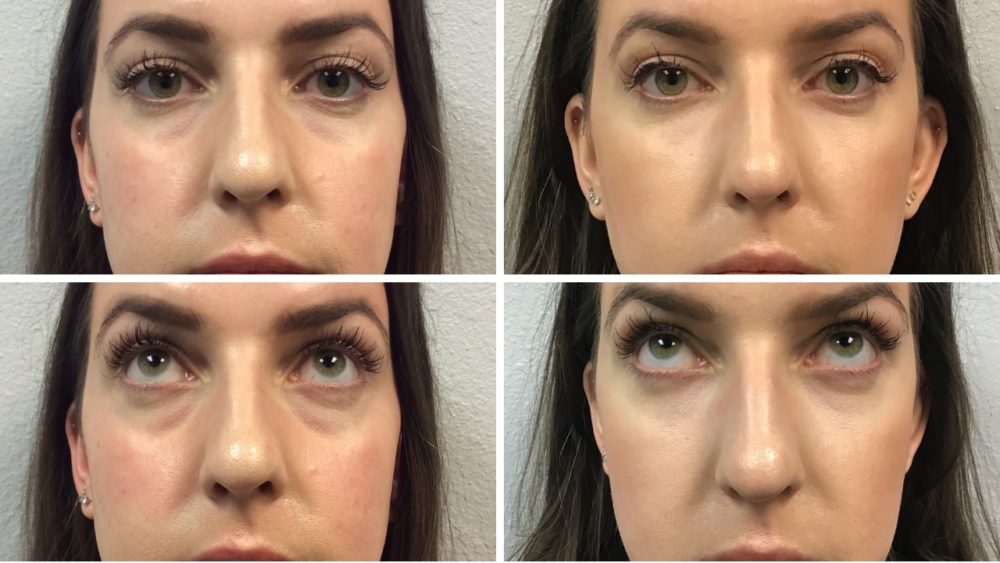
Medical-grade facial treatments improve skin glow and texture by using advanced technology and clinical-strength ingredients to deeply cleanse, exfoliate, hydrate, and stimulate collagen production at levels that regular spa facials cannot reach. A 2022 clinical study found measurable increases in skin hydration, smoothness, and elasticity with consistent HydraFacial treatments, and a 2024 peer-reviewed article confirmed subsurface improvements in epidermal thickness and cellular turnover, according to Allure Aesthetics. This article covers the best medical-grade facials for glow and texture, how they compare to regular facials, who benefits the most, and what kind of results to expect at every age.
What Makes Medical-Grade Facial Treatments Different
Medical-grade facial treatments are different from regular spa facials because they use advanced devices, clinical-strength active ingredients, and treatment protocols that are designed and supervised by licensed medical professionals. Regular facials rely on manual techniques, basic products, and gentle massage. They feel relaxing and provide a temporary surface-level glow that typically lasts 2 to 4 days, according to Lavish Beauty. Medical-grade facials work deeper, address the root causes of dull or textured skin, and produce results that last weeks to months.
The key distinction is the depth of ingredient delivery. Medical-grade treatments use technology like vortex fusion, radiofrequency, LED light therapy, and controlled exfoliation to push active ingredients into the dermis rather than just sitting on the surface. According to the American Society of Plastic Surgeons (ASPS) 2024 report, over 28.5 million minimally invasive cosmetic procedures were performed in the United States that year. Much of that growth comes from patients choosing medical-grade facial treatments over traditional spa services because the results are measurably stronger.
At our practice, we offer a range of medical-grade facials that are customized to each patient’s skin type, concerns, and goals. Whether the issue is dullness, rough texture, enlarged pores, fine lines, or uneven tone, a medical-grade facial addresses the underlying problem rather than just masking symptoms on the surface.
What Is the Best Medical-Grade Facial?
The best medical-grade facial depends on the patient’s specific skin concern, but the HydraFacial is consistently ranked as one of the most effective all-around options for improving both glow and texture in a single session. It combines deep cleansing, gentle exfoliation, painless extraction, and concentrated serum infusion using patented vortex fusion technology. A clinical study led by T. Mauricio in 2018 found that participants experienced an average 70 percent improvement in skin hydration levels following regular HydraFacial treatments over 12 weeks, according to La Belle Vie Medical Spa.
For patients who need more structural improvement, RF microneedling facials deliver radiofrequency energy through tiny needles to stimulate deep collagen remodeling. According to La Belle Vie, approximately 85 percent of patients rate their RF microneedling results as “very much improved” or “much improved,” with objective measurements showing 20 to 30 percent improvement in skin elasticity and 25 to 35 percent reduction in pore size. Chemical peels, LED light therapy facials, and oxygen facials each address different layers and concerns.
The best approach is often a combination. A HydraFacial maintains hydration and surface glow on a monthly basis, while quarterly or seasonal treatments like microneedling or a medium-depth peel address deeper texture and collagen concerns. Our post on choosing the right facial helps patients match their concerns to the best treatment option.
What Facial Treatment Makes Your Skin Glow?
The facial treatment that makes your skin glow is a HydraFacial, which produces an immediate, visible radiance that is often called the “red carpet glow” because it leaves the skin looking brighter, smoother, and more hydrated right after the session. According to Serotonin Centers, HydraFacial is often called a “red carpet facial” because it produces a glowing complexion without any downtime.
The glow comes from a combination of deep cleansing, gentle chemical exfoliation that removes dull dead skin cells, thorough pore extraction that clears congestion, and concentrated serum infusion that floods the skin with antioxidants, peptides, and hyaluronic acid. According to BeautyHealth, their Hydralock HA Booster is clinically proven to increase hydration by over 300 percent after one treatment, and 94 percent of participants reported their skin remained more hydrated, moisturized, and brighter 48 hours after the treatment.
Other medical-grade facials that produce a noticeable glow include oxygen facials, which infuse oxygen and vitamins into the skin to boost circulation and radiance, and LED light therapy facials, which use specific wavelengths to reduce inflammation and stimulate collagen. For patients wanting to brighten their skin and address dullness, a medical-grade facial delivers results that are visible immediately and continue improving with regular treatments.
What Facial Treatment Is Best for Textured Skin?
The facial treatment that is best for textured skin is RF microneedling, which stimulates deep collagen remodeling to smooth rough patches, refine pores, and create a more even skin surface over a series of treatments. For milder texture concerns, a HydraFacial or medical-grade chemical peel can also deliver significant improvement. The right choice depends on how deep the texture issue goes.
Surface-level texture, like mild roughness, dullness, or dead skin buildup, responds well to HydraFacials and light chemical peels. These treatments remove the top layer of dead cells and infuse hydrating ingredients that make the skin smoother and more reflective immediately. For deeper texture concerns like acne scarring, enlarged pores from collagen loss, or persistent unevenness, RF microneedling reaches into the dermis to rebuild the structural collagen that creates a truly smooth surface.
According to a comprehensive dermatology review compiled in 2024, microneedling results are often comparable or superior to chemical peels and fractional lasers for texture improvement, especially for darker skin types due to a lower risk of pigmentation problems. We offer targeted treatments for texture and scar concerns that are matched to the severity of the issue and the patient’s skin type.
Which Is Better, HydraFacial or Regular Facial?
HydraFacial is better than a regular facial for achieving measurable improvements in skin glow, hydration, texture, and pore clarity. A regular facial relies on manual techniques, basic products, and simple extraction. A HydraFacial uses patented vortex technology to cleanse, exfoliate, extract, and infuse serums in a multi-step process that delivers deeper results with zero downtime.
The results difference is significant. According to Clair Skin Dermatology, the glow and smoothness from a HydraFacial typically last about one week, with deeper effects like reduced congestion and improved texture continuing for up to four weeks. Regular facial results typically last 2 to 4 days for the immediate glow, according to Lavish Beauty. A 2024 UK dermatological study found that HydraFacial’s simultaneous hydration approach reduces recovery time by 89 percent compared to traditional exfoliation methods, according to Hertford Cosmetics.
Regular facials still have value for relaxation and basic skin maintenance. But for patients who want visible, measurable improvement in skin quality, a medical-grade HydraFacial at a professional medspa is the stronger option. The treatment is safe for all skin types, painless, and takes about 30 minutes, making it one of the most efficient ways to improve skin glow and texture in a single session.
What Is the Best Facial for Aging Skin Over 50?
The best facial for aging skin over 50 is a combination of regular HydraFacial treatments for hydration and glow with periodic RF microneedling sessions for collagen rebuilding and skin tightening. Aging skin over 50 has lost a significant amount of collagen, and a single treatment modality is rarely enough to address all the concerns at once.
By age 50, the body has lost approximately 25 percent of its collagen compared to peak levels, according to research by Sibilla et al. Women who have gone through menopause may have lost up to 30 percent of their skin collagen in just the five years following menopause, according to NCH Stats. This is why skin over 50 often looks dull, feels dry, and has visible fine lines, enlarged pores, and loss of firmness. A HydraFacial addresses the hydration and surface glow, while RF microneedling stimulates the deep structural collagen that aging skin needs most.
The US facial skin care market grew by 2.2 percent in 2024, according to a report from Mintel, with anti-aging and hydration as the top two consumer priorities across age groups. For patients over 50, pairing professional treatments with a solid medical-grade skincare routine at home makes the biggest difference in long-term results.
Does HydraFacial Give Instant Glow?
Yes, HydraFacial gives instant glow. Patients walk out of the treatment with visibly brighter, smoother, more hydrated skin immediately after the session. The instant glow comes from the thorough removal of dead skin cells and pore congestion combined with the deep infusion of hydrating serums rich in antioxidants, peptides, and hyaluronic acid.
According to En Vogue Medispa, HydraFacials use technology to cleanse and remove debris from pores with a suction device while simultaneously filling the pores with antioxidants and hydrating peptides, giving an instant glow. The improvement is visible right away, and many patients schedule their HydraFacial a day or two before a special event for this reason.
The glow is not just surface-level. A 2024 study of eight participants showed microscopic changes to the skin following HydraFacial treatment, including thicker epidermis and thicker papillary dermis, according to Medical News Today. While those microscopic changes may not persist beyond two weeks after a single session, with consistent monthly treatments, the cumulative improvements in skin quality become lasting. For details on how long results hold, our post on HydraFacial results breaks down the timeline.
Is HydraFacial Good for a 50 Year Old Woman?
Yes, HydraFacial is good for a 50 year old woman. It addresses the exact concerns that aging skin develops, including dehydration, dullness, enlarged pores, fine lines, and loss of radiance. The treatment is gentle, non-invasive, and safe for all skin types, making it ideal for mature skin that may be more sensitive or reactive than it was at younger ages.
According to BeautyHealth’s 2024 Skintuition Report, consumer demand for treatments that deliver clinically proven results and healthy, hydrated skin continued growing in 2024. The report also noted that HydraFacial treatments for the neck and decollete surged by 55 percent globally compared to the previous year, showing that patients over 50 are expanding their treatment areas to address aging across the face, neck, and chest.
For a 50 year old woman, we typically recommend a monthly HydraFacial for ongoing hydration and glow, paired with quarterly treatments that address deeper concerns. Whether that is RF microneedling for tightening, a chemical peel for discoloration, or a targeted treatment for specific concerns, the combination approach produces the most comprehensive results. We see patients of all ages at our Bloomfield Hills practice who benefit from this layered strategy.
A skin wellness consultation helps identify the right starting point and ensures every treatment is matched to the patient’s current skin condition and long-term goals.
What Procedure Takes 10 Years Off Your Face?
The procedure that takes 10 years off your face is typically a combination of treatments rather than a single session. A regular schedule of medical-grade facials for hydration and glow, RF microneedling for collagen rebuilding and skin tightening, and targeted treatments like neurotoxins for dynamic wrinkles or fillers for volume loss, creates a cumulative rejuvenation effect that can visibly take years off the face without surgery.
According to the International Society of Aesthetic Plastic Surgery (ISAPS) 2024 Global Survey, non-surgical skin tightening ranked among the top five most popular non-surgical procedures worldwide, with over 20.5 million non-surgical procedures performed that year. The 42.5 percent increase in cosmetic procedures over the last four years reflects a growing confidence that combination protocols deliver real, natural-looking age reversal.
The key is addressing multiple layers of aging at the same time. Surface treatments like HydraFacials keep the skin glowing and hydrated. Collagen-stimulating treatments like facial rejuvenation procedures rebuild the skin’s structure from within. Together, they produce the kind of refreshed, natural look that takes years off someone’s appearance without extended downtime.
Medical-Grade Facials Compared for Glow and Texture
| Treatment | Primary Benefit | Instant Glow | Texture Improvement | Results Duration |
|---|---|---|---|---|
| HydraFacial | Deep hydration, pore clarity, radiance | Yes, immediate | Moderate (surface level) | 1 to 4 weeks per session |
| RF Microneedling | Collagen remodeling, tightening, deep texture | Gradual (weeks) | High (deep dermis) | 12 to 24 months |
| Chemical Peel (medium) | Surface resurfacing, tone correction | After healing (5-7 days) | Moderate to High | 1 to 6 months |
| LED Light Therapy | Anti-inflammation, collagen stimulation | Subtle | Mild (cumulative) | Builds over multiple sessions |
| Oxygen Facial | Circulation boost, instant radiance | Yes, immediate | Mild | 1 to 2 weeks |
Sources: La Belle Vie Medical Spa (2025), BeautyHealth 2024 Skintuition Report, ASPS 2024 Procedural Statistics Report, Allure Aesthetics (2025), Comprehensive Dermatology Review (2024).
Frequently Asked Questions
Are HydraFacial Results Permanent?
No, HydraFacial results are not permanent. The skin continues to produce oil, accumulate dead cells, and encounter environmental stressors after each treatment. The glow and smoothness from a single session typically last 1 to 4 weeks. With consistent monthly treatments, the cumulative improvements in hydration, texture, and pore clarity become more sustained. Most dermatologists recommend a HydraFacial every 4 to 6 weeks for ongoing results.
Are HydraFacials Really Worth the Money?
Yes, HydraFacials are worth the money for patients who want visible, immediate improvement in skin glow and hydration with zero downtime. Clinical testing shows a 300 percent increase in hydration and a 63 percent reduction in wrinkle appearance after one treatment, according to BeautyHealth. For patients who want consistent skin quality rather than one-time results, a monthly HydraFacial delivers measurable value that regular facials cannot match.
Which Facial Gives Instant Glow?
The facial that gives instant glow is a HydraFacial. The treatment produces immediate visible radiance by removing dead skin cells, clearing pore congestion, and infusing the skin with hydrating serums rich in antioxidants and hyaluronic acid. Oxygen facials also give a quick glow by boosting circulation and delivering vitamins to the skin surface. Both are popular choices for pre-event skin preparation.
How Often Should You Get a Medical-Grade Facial?
You should get a medical-grade facial every 4 to 6 weeks for maintenance. This timing aligns with the skin’s natural cell turnover cycle of approximately 28 days. According to how often HydraFacials should be scheduled, monthly treatments keep pores clear, hydration levels stable, and skin tone even over the long term.
Can Medical-Grade Facials Help With Acne?
Yes, medical-grade facials can help with acne by deeply cleansing pores, reducing congestion, and infusing anti-inflammatory ingredients into the skin. HydraFacials are particularly effective for clearing blackheads and excess oil. However, most adult acne is hormonally driven, so facials work best as one part of a comprehensive treatment plan that may also include prescription products and lifestyle changes.
What Is the Difference Between a Medical Facial and a Spa Facial?
The difference between a medical facial and a spa facial is the technology, ingredient strength, and clinical oversight involved. Medical facials use advanced devices, clinical-strength active ingredients, and protocols designed by licensed medical professionals. Spa facials use gentler products and manual techniques focused on relaxation. Medical facials produce measurably stronger and longer-lasting results because they treat the skin at a deeper level.
Can You Get a Medical-Grade Facial if You Have Sensitive Skin?
Yes, you can get a medical-grade facial if you have sensitive skin. HydraFacials in particular are safe for all skin types, including sensitive skin, because the treatment does not use aggressive exfoliation or heat. According to multiple clinical sources, over 92 percent of patients report high satisfaction with HydraFacial treatments. Your provider can customize the serums and treatment intensity to match your skin’s tolerance level.
The Takeaway
Medical-grade facial treatments deliver measurably stronger results for skin glow and texture than regular spa facials because they use advanced technology, clinical-strength ingredients, and treatment protocols designed to work at deeper levels of the skin. Whether the goal is instant radiance before a special event, long-term texture improvement, or comprehensive anti-aging, there is a medical-grade facial that fits. Clinical evidence consistently shows high satisfaction rates, measurable improvements in hydration and elasticity, and results that build with consistent treatment.
If you want to find the right medical-grade facial for your skin, the team at FACE Skincare~Medical~Wellness can help. Call us at (248) 663-0161 to schedule a consultation.