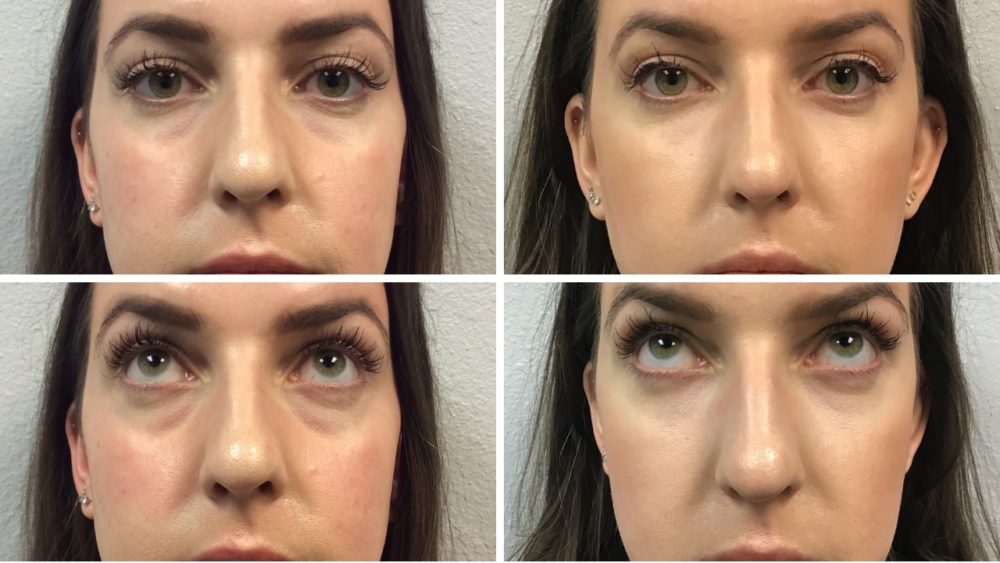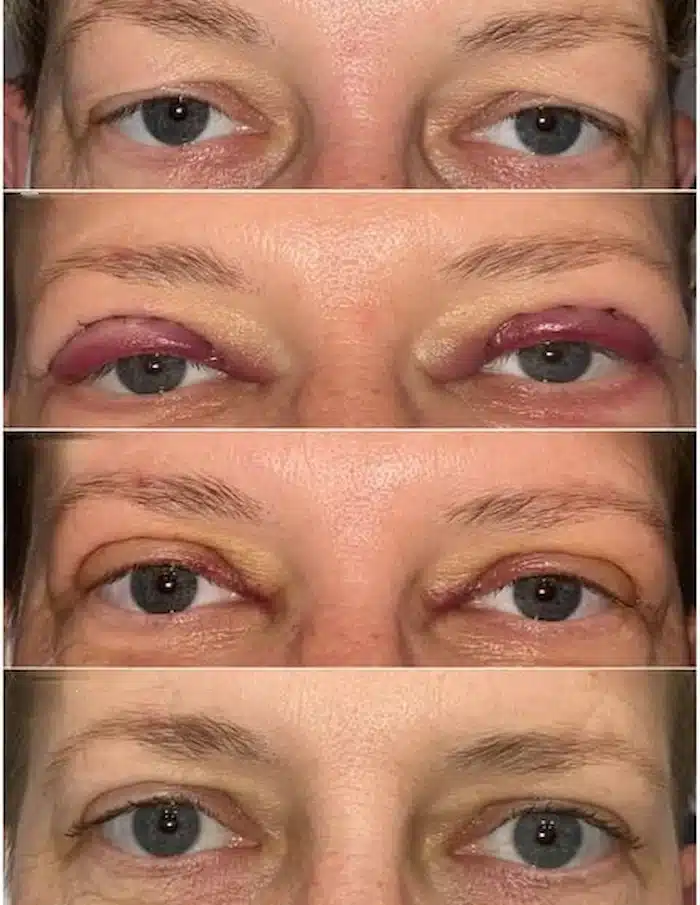
Preventative aesthetic treatments are proactive interventions that slow visible aging before deep wrinkles, volume loss, and skin laxity become established. Rather than correcting damage after it appears, preventative care works by maintaining collagen production, relaxing muscles that cause expression lines, and building skin resilience through consistent professional treatment paired with medical-grade daily skincare. The approach reflects a fundamental shift in how patients think about aging: invest early, maintain consistently, and avoid the more intensive corrective procedures required when structural decline goes unchecked. This article covers the biology behind preventative care, which treatments work at each life stage, how to build a long-term plan, and what the clinical evidence says about outcomes.
What Does Preventative Aesthetic Medicine Do?
Preventative aesthetic medicine slows the biological processes that cause visible aging and maintains the structural integrity of the skin before noticeable deterioration occurs. The goal is not to change how you look but to keep your skin healthy, resilient, and naturally youthful for as long as possible. Preventative treatments accomplish this through three mechanisms: relaxing overactive facial muscles that create creases (neurotoxins), stimulating the body’s own collagen and elastin production (energy-based devices and biostimulators), and protecting the skin barrier from environmental damage (medical-grade skincare and daily sun protection).
The concept is sometimes called “prejuvenation,” a term that distinguishes proactive skin maintenance from reactive corrective care. According to the International Society of Aesthetic Plastic Surgery, over 13 million minimally invasive cosmetic procedures were performed globally in 2024, and the British Association of Aesthetic Plastic Surgeons reports that patients under 35 now represent 40 percent of all non-surgical treatments. This demographic shift signals that a growing number of people view aesthetic treatments the same way they view dental cleanings or annual physicals: routine maintenance that prevents bigger problems later.
What Is the Difference Between Preventative and Corrective Aesthetics?
The difference between preventative and corrective aesthetics is timing and intensity. Preventative care uses smaller doses, lighter treatments, and consistent maintenance to slow structural decline before it becomes visible, while corrective care uses higher doses and more aggressive interventions to reverse damage that has already occurred. Preventative Botox, for example, uses 10 to 20 units of neurotoxin to keep muscles from creasing the overlying skin, while corrective Botox for established static wrinkles typically requires 20 to 60 units per treatment area. Preventative microneedling maintains collagen density through periodic sessions, while corrective microneedling for deep acne scars requires a more intensive series with greater needle depths and supplemental therapies like PRP.
The practical difference extends to cost and downtime. Patients who start preventative care in their late 20s or early 30s typically need fewer units, fewer sessions, and less aggressive treatment parameters at each visit than patients who begin treatment in their 50s after years of accumulated sun damage, collagen loss, and deep static lines. Maintaining a structure is always less expensive and less disruptive than rebuilding one. This is the core argument for aging and wrinkle prevention: the earlier you invest in your skin’s structural health, the less intensive the work required to maintain it over time.
How Does Collagen Loss Affect Aging?
Collagen loss affects aging by weakening the structural scaffolding that keeps skin smooth, firm, and resilient. Collagen is the most abundant protein in the dermis, and it provides the framework that holds skin taut and prevents sagging. According to a 2025 meta-analysis published in ScienceDirect, collagen synthesis declines by 1 to 1.5 percent annually after the mid-20s. The decline is so gradual that most people do not notice the effects until their mid-30s, when fine lines linger longer, skin feels less plump, and the jawline begins to soften.
Ultraviolet radiation accelerates the process by triggering overproduction of matrix metalloproteinases (MMPs), enzymes that actively digest collagen and elastin fibers. A 2024 study in Skin Research and Technology found that urban residents show visible aging signs 5 to 7 years earlier than rural populations due to combined UV and pollution exposure. Hormonal changes compound the damage further. Research compiled by the North American Menopause Society shows that women lose up to 30 percent of their skin collagen in the first five years post-menopause, and 85 percent of women experience measurable skin changes during the menopausal transition.
The concept of “collagen banking” describes the preventative strategy of building and maintaining collagen reserves in earlier decades so the body has more structural protein to draw on as natural production slows. Treatments that stimulate microneedling-driven collagen synthesis in your 30s deposit structural capital that pays dividends in your 50s and 60s. Patients who start collagen-stimulating treatments early maintain higher baseline collagen density throughout their lifetime than patients who wait until visible decline has already progressed.
At What Age Does Your Face Age the Most?
Your face ages the most during three acceleration periods: the late 20s to early 30s when collagen production first begins declining, the mid-40s when accumulated sun damage and hormonal shifts converge, and the perimenopausal to post-menopausal years when estrogen withdrawal causes the fastest rate of collagen loss most women experience in their lifetime. The late 20s mark the beginning of net collagen deficit, where the body breaks down more collagen than it produces each year. By the mid-30s, this deficit becomes visible as fine lines around the eyes and forehead that take longer to bounce back after facial expressions.
The mid-40s represent a second acceleration point. Decades of UV exposure have fragmented collagen fibers and damaged elastin. Cell turnover has slowed from its youthful 28-day cycle to 40 or more days, leaving dead cells on the surface that dull the complexion. Fat pads in the midface begin to descend under gravity, creating early nasolabial folds and hollowing around the eyes. The menopausal transition delivers the steepest single acceleration: collagen content can drop 30 percent in just five years, skin thickness declines measurably, and elasticity drops approximately 1.5 percent per year during that window. These acceleration points are why preventative care produces the strongest return on investment when started before the first major decline, in the mid-to-late 20s, and maintained consistently through each subsequent transition.
When Should You Start Preventative Skincare?
You should start preventative skincare in your early to mid-20s with a medical-grade at-home regimen, and consider adding professional treatments in your late 20s to early 30s as the first signs of collagen decline appear. The American Society for Dermatologic Surgery reported a 50 percent increase in neurotoxin use among patients 30 and younger between 2012 and 2016, and current data shows approximately 24 percent of all Botox patients are now aged 19 to 34. This demographic shift reflects a growing awareness that prevention is both more effective and less costly than correction.
The daily preventative foundation consists of four non-negotiable components:
- Broad-spectrum SPF 30 or higher applied every morning, including cloudy days and winter months. UV radiation is the single largest modifiable driver of premature skin aging, and daily sunscreen prevents more visible aging than any other single intervention.
- A retinoid (prescription tretinoin for accelerated results or over-the-counter retinol for gentler introduction) applied at night to stimulate collagen gene expression and accelerate cell turnover.
- A vitamin C serum applied each morning to neutralize free radicals from UV and pollution exposure and serve as a required cofactor for collagen synthesis.
- A hydrating moisturizer containing hyaluronic acid or ceramides to maintain the skin barrier and support moisture retention in the dermal matrix.
Professional treatments layer onto this foundation. In the late 20s, that may mean micro-dosed neurotoxins for early expression lines and an annual HydraFacial or light chemical peel for surface renewal. By the early 30s, adding periodic microneedling or laser treatments to actively stimulate collagen production becomes part of the strategy. The exact starting point depends on genetics, sun exposure history, skin type, and lifestyle, which is why a professional assessment is the best way to determine your individual timeline.
Is Preventative Botox a Good Idea?
Yes, preventative Botox is a good idea for patients who are beginning to notice dynamic wrinkles, lines that appear during facial expressions but disappear when the face is at rest. Research published in the Journal of Cosmetic Dermatology reported up to a 70 percent reduction in wrinkle severity with consistent Botox treatment, and clinical data suggests a 20 to 30 percent reduction in wrinkle depth after one to two years of regular preventative use.
The mechanism is straightforward. Every time you frown, squint, or raise your eyebrows, the underlying muscles contract and fold the overlying skin. In your 20s, the skin bounces back immediately because collagen and elastin fibers are intact and resilient. As those fibers weaken with age, the crease lingers longer after each expression. Eventually, the crease becomes permanent, etched into the skin as a static wrinkle even when the muscle is completely relaxed. Botox interrupts this progression by reducing the force of the muscle contraction. The skin over the treated muscle never gets creased as deeply, so the permanent line never forms. A landmark identical twin study demonstrated this clearly: the twin who received regular Botox had visibly fewer wrinkles than the untreated twin, despite identical genetics and similar lifestyles.
What Is Baby Botox?
Baby Botox is a micro-dosing technique that uses smaller amounts of neurotoxin, typically 10 to 20 units total, distributed across the treatment areas to produce a subtle softening effect while preserving full facial expression. Standard corrective Botox doses range from 20 to 60 units per treatment area, while baby Botox uses just enough to reduce the intensity of the muscle contraction without eliminating movement entirely. The result is a natural, “did they or didn’t they” appearance that younger patients prefer. Baby Botox is particularly effective for the forehead, glabella (the area between the brows), and crow’s feet in patients whose lines are still dynamic and have not yet become static.
How Often Should You Get Preventative Botox?
Preventative Botox should be repeated every 3 to 4 months initially, with the interval potentially extending to 4 to 6 months over time as the targeted muscles gradually weaken from consistent treatment. The neurotoxin’s effect wears off as the body metabolizes the protein, so regular maintenance is necessary to prevent the muscle from returning to full contractile strength. Some patients find that after several years of consistent preventative treatment, they need fewer units per session and can space sessions further apart because the muscle has partially atrophied from prolonged reduced use.
Can You Prevent Wrinkles With Botox?
Yes, you can prevent wrinkles with Botox by stopping the repetitive muscle contractions that cause dynamic lines from becoming permanent static wrinkles. The key distinction is between dynamic wrinkles, which appear only during facial expressions, and static wrinkles, which remain visible even when the face is completely at rest. Every dynamic line has the potential to become a static wrinkle if the overlying skin is creased thousands of times over years and decades while collagen density simultaneously declines.
Botox prevents this transition by relaxing the muscle so the skin above it is no longer folded repeatedly. The forehead, frown lines between the brows, and crow’s feet around the eyes are the most common preventative treatment areas because these muscles generate the strongest, most repetitive contractions. With 8.8 million Botox procedures performed worldwide in 2024 alone, neurotoxin treatment has become the single most popular non-surgical aesthetic intervention globally. The treatment takes 10 to 15 minutes, requires no downtime, and produces visible smoothing within 3 to 7 days. We see patients here in Bingham Farms who started preventative Botox in their late 20s and, years later, still have significantly smoother skin in the treated areas compared to untreated zones on the same face.
Best Anti-Aging Treatments by Age
The best anti-aging treatments change as the skin’s needs evolve through each decade of adult life. A preventative plan that serves a 28-year-old well will be insufficient for the same patient at 48. The treatment intensity, modality mix, and frequency all progress as collagen decline accelerates and accumulated environmental damage compounds.
| Age Range | Primary Goal | Recommended Treatments | Frequency |
|---|---|---|---|
| Early to mid-20s | Foundation and protection | Medical-grade skincare (retinol, vitamin C, SPF 30+), light chemical peels, HydraFacial | Daily skincare; peels/facials every 4 to 8 weeks |
| Late 20s to early 30s | Early prevention | Baby Botox for early dynamic lines, periodic microneedling, BBL/IPL for tone, consistent skincare | Botox every 3 to 4 months; microneedling 2 to 3x/year |
| Mid-30s to 40s | Active maintenance | Standard-dose neurotoxins, RF microneedling, laser resurfacing, subtle filler for early volume shifts, biostimulators (Sculptra) | Botox every 3 to 4 months; energy devices 1 to 2x/year; filler as needed |
| 50s | Combined prevention + correction | Multi-modality protocols: neurotoxins + RF microneedling + biostimulators + strategic filler + prescription retinoid | Neurotoxins every 3 to 4 months; devices 1 to 2x/year; biostimulators every 18 to 24 months |
| 60s and beyond | Restorative maintenance | Full combination protocols, thread lifts for moderate laxity, focused ultrasound (Ultherapy), plasma treatments, aggressive at-home retinoid + antioxidant regimen | Ongoing maintenance per provider guidance |
Sources: American Society for Dermatologic Surgery neurotoxin usage data; Journal of Clinical and Aesthetic Dermatology 2024 multi-modal treatment review; ScienceDirect 2025 collagen decline meta-analysis; British Association of Aesthetic Plastic Surgeons demographic data.
The 2024 Journal of Clinical and Aesthetic Dermatology found that personalized multi-modal treatment plans improved patient satisfaction by 37 percent compared to single-modality approaches. This is why the table above shows treatment combinations increasing with each decade. A 25-year-old’s plan may consist of sunscreen, retinol, and an occasional peel. A 50-year-old’s plan layers injectable treatments, energy-based devices, biostimulators, and a comprehensive at-home regimen into an integrated annual protocol.
Does Microneedling Prevent Aging?
Yes, microneedling prevents aging by stimulating the body’s wound-healing cascade to produce new collagen and elastin in the dermis before visible decline occurs. When used preventatively, microneedling deposits fresh collagen into the dermal matrix, a process sometimes called “collagen banking” because the newly formed fibers serve as structural reserves the body draws on as natural production slows with age.
Clinical trials published in Dermatologic Surgery demonstrated that microneedling paired with PRP produces up to 40 percent greater improvement in fine line depth compared to microneedling alone. RF Morpheus8 microneedling adds radiofrequency energy to the mechanical stimulus, heating the dermis to trigger even more aggressive collagen remodeling at adjustable depths from 0.5 to 8 millimeters. For preventative purposes, standard microneedling sessions every 4 to 6 months maintain collagen density in patients whose primary concern is long-term skin quality rather than scar correction.
Beyond microneedling, other collagen-stimulating modalities serve preventative goals. Laser treatments like Halo, BBL Hero, and Clear+Brilliant deliver light energy that triggers fibroblast activation and collagen synthesis at various depths. Chemical peels using glycolic or trichloroacetic acid remove damaged surface layers and stimulate fresh cell growth. Injectable biostimulators like Sculptra use poly-L-lactic acid to trigger the body’s own collagen production over several months, producing gradual structural reinforcement that lasts up to two years. Each of these modalities contributes to the collagen-banking strategy that forms the foundation of long-term preventative care.
What Makes a Woman Look Younger?
What makes a woman look younger is the preservation of five structural markers that decline with age: smooth skin surface texture, even skin tone, firm facial contours, adequate midface volume, and a defined jawline. Preventative aesthetics works specifically to maintain these five markers before they deteriorate, which is why patients who start early consistently look younger than their chronological age without appearing “done” or artificial.
Smooth texture depends on consistent cell turnover, collagen density, and the absence of scarring or sun damage. Even tone requires controlled melanin production and the absence of UV-induced hyperpigmentation. Firm contours rely on collagen and elastin maintaining the dermal scaffolding that resists gravity. Midface volume depends on the fat pads and bone structure that create the cheekbone-to-jawline proportions associated with youth. A defined jawline requires both structural collagen density and muscle tone in the lower face. Each of these markers responds to specific preventative treatments. Skin tightening devices maintain contour. Neurotoxins prevent creases. Skincare preserves surface quality. The combination approach, addressing all five markers simultaneously rather than chasing individual concerns one at a time, produces the natural, “how do they look so good” result that preventative care is known for.
How to Maintain Results Between Treatments
Maintaining results between professional treatments requires a daily at-home regimen that supports and extends the collagen stimulation, muscle relaxation, and surface renewal achieved in the office. Professional treatments provide the stimulus. At-home care maintains the response.
- Apply SPF 30+ every morning. UV radiation degrades collagen and elastin daily. Sunscreen prevents the single largest source of structural damage between treatment sessions. This is the most important step in any preventative regimen.
- Use a retinoid at night. Retinoids accelerate cell turnover and directly upregulate collagen gene expression, sustaining the collagen-building effect initiated by professional treatments. Start with over-the-counter retinol and progress to prescription tretinoin as the skin acclimates.
- Apply vitamin C serum each morning. Vitamin C neutralizes free radicals from UV and pollution exposure and serves as a required cofactor for the hydroxylase enzymes that stabilize new collagen molecules.
- Hydrate the skin barrier. Hyaluronic acid and ceramide-based moisturizers maintain the water content of the dermal matrix and support the skin barrier function that keeps environmental irritants from reaching the deeper layers.
- Support skin from within. Adequate hydration, balanced nutrition rich in antioxidants, quality sleep, stress management, and avoidance of smoking all contribute to the biological environment that allows collagen production to operate efficiently between treatment sessions.
We tell our patients in Oakland County that investing in professional treatments without committing to daily skincare is like going to the dentist but never brushing your teeth. The professional work creates the structural improvement. The daily regimen preserves it.
What Happens After 20 Years of Botox?
After 20 years of Botox, patients typically have significantly smoother skin in the treated areas compared to untreated individuals of the same age. Long-term Botox use causes gradual atrophy (shrinking) of the treated muscles, which means those muscles generate less force even between treatments, resulting in less skin creasing over time. Many long-term Botox users report needing fewer units per session and being able to extend the interval between treatments because the muscle has weakened from years of reduced activity.
No credible clinical evidence suggests that long-term Botox use causes permanent damage, toxin accumulation, or adverse systemic effects. The botulinum toxin protein is metabolized by the body within 3 to 4 months after each injection, which is why the effect wears off and repeat treatment is needed. The 2023 review published in the Journal of Cosmetic Dermatology examined long-term safety data and confirmed that Botox maintains its efficacy and safety profile with extended use. Patients who discontinue Botox after years of treatment simply return to their natural aging trajectory. Their skin does not “catch up” suddenly or appear worse than it would have without treatment. The wrinkles that were prevented during the treatment years remain prevented. New wrinkles form at the normal age-related rate from the point of discontinuation.
At What Age Is Botox No Longer Effective?
Botox remains effective at any age because the mechanism of action, blocking acetylcholine release at the neuromuscular junction to relax the muscle, works regardless of the patient’s age. However, Botox alone becomes less sufficient for comprehensive facial rejuvenation in later decades because the primary concern shifts from dynamic muscle-driven wrinkles to static wrinkles caused by collagen loss, volume depletion, and skin laxity. For patients in their 60s and beyond, Botox continues to smooth dynamic lines in the forehead, glabella, and crow’s feet, but it needs to be combined with wrinkle-reducing treatments like RF microneedling, fillers, biostimulators, and skin-tightening devices to address the full scope of age-related changes.
Frequently Asked Questions
What Kills Wrinkles on the Face?
What kills wrinkles on the face is a combination of neurotoxins to relax the muscles that create dynamic wrinkles, collagen-stimulating treatments (microneedling, laser, RF devices) to rebuild the dermal structure that smooths static wrinkles, and daily retinoid use to maintain accelerated cell turnover. No single treatment eliminates all wrinkle types. Dynamic wrinkles respond to Botox. Static wrinkles respond to collagen remodeling. Surface fine lines respond to retinoids and chemical exfoliation. The most effective approach addresses all three wrinkle types simultaneously through a multi-modality protocol.
What Tightens Skin Immediately?
What tightens skin immediately depends on the treatment. Radiofrequency devices produce an immediate mild tightening effect through collagen fiber contraction during the treatment session, with progressive tightening developing over 3 to 6 months as new collagen forms. Thread lifts provide instant mechanical lifting that improves further as the PDO material stimulates collagen along the thread pathway. Injectable fillers create instant volume restoration that lifts and firms the overlying skin. Neurotoxins do not tighten skin directly but smooth the surface by relaxing muscles within 3 to 7 days. For the fastest visible change, a combination of filler for volume and radiofrequency for contraction produces same-day improvement.
Is Preventative Botox Safe for Your 20s?
Yes, preventative Botox is safe for patients in their 20s when administered by a qualified provider at appropriate micro-doses. Botox has been FDA-approved for cosmetic use since 2002 and has an extensive safety record spanning over two decades. The key is conservative dosing. Patients in their 20s rarely need full corrective doses. A skilled injector uses just enough to soften the earliest dynamic lines without eliminating facial expression. The treatment is temporary, fully reversible within 3 to 4 months, and carries no cumulative risk with repeated use.
Can Men Benefit From Preventative Aesthetics?
Yes, men benefit from preventative aesthetics in the same way women do, though treatment parameters differ to account for thicker skin, stronger facial muscles, and different aesthetic goals. Male neurotoxin use has grown steadily, with over half a million men receiving injections in 2023 alone. Men typically require higher neurotoxin doses per treatment area because their facial muscles are larger and more powerful. The treatment goal for most male patients is maintaining a refreshed, well-rested appearance while preserving the natural masculine brow position and facial structure. We offer treatments for men that are calibrated specifically for male facial anatomy and skin characteristics.
How Much Does Preventative Care Cost Compared to Corrective?
Preventative care costs significantly less over a lifetime than corrective care because it uses smaller treatment doses, lighter device settings, and fewer sessions to maintain skin quality rather than rebuild it. A patient who begins preventative Botox at 28 with baby doses of 10 to 20 units every 3 to 4 months spends far less over 20 years than a patient who starts at 48 with corrective doses of 40 to 60 units plus filler, RF microneedling, and laser resurfacing needed to address two decades of accumulated damage. The financial argument for prevention mirrors the logic in every other area of health: routine maintenance prevents expensive emergency repairs.
Does Sunscreen Really Prevent Wrinkles?
Yes, daily sunscreen use prevents wrinkles by blocking the ultraviolet radiation that triggers MMP enzymes responsible for breaking down collagen and elastin in the dermis. UV exposure is the single largest modifiable cause of premature skin aging, responsible for the majority of visible facial aging changes according to dermatology research. A broad-spectrum SPF 30 or higher, applied every morning and reapplied during prolonged outdoor exposure, prevents more structural skin damage than any other single product or treatment.
The Bottom Line
Preventative aesthetic treatment is the most effective long-term strategy for maintaining healthy, youthful skin because it works with the body’s biology rather than against the clock. Starting with a medical-grade skincare foundation in your early 20s, adding micro-dosed neurotoxins and periodic collagen-stimulating treatments in your late 20s to 30s, and progressively layering modalities as your skin’s needs evolve through each decade produces the kind of natural, lasting result that corrective intervention alone cannot match. The patients who look their best at 50, 60, and beyond are the ones who started investing in their skin years earlier.
Whether you are just beginning to think about prevention or looking to build a more comprehensive plan, we welcome you to reach out to FACE Skincare Medical Wellness for a consultation that evaluates your skin, your goals, and the right combination of treatments for your stage of life.