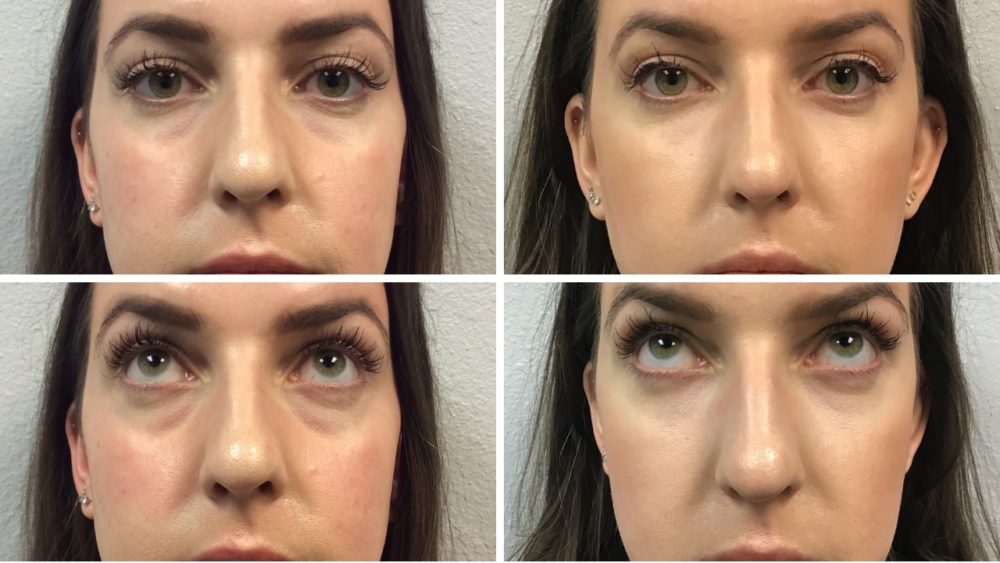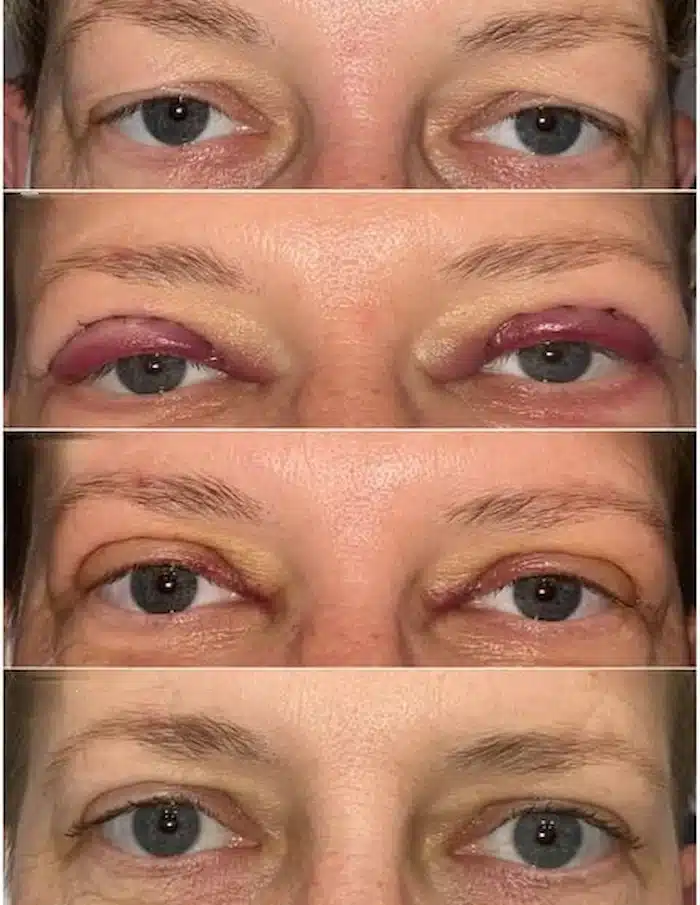
Skin texture refers to the smoothness, evenness, and overall surface quality of the skin, and it improves most effectively when dermatologic treatments target the specific layer where the irregularity originates. Modern technologies like microneedling, radiofrequency microneedling, fractional laser resurfacing, and medical-grade chemical peels go beyond surface-level exfoliation to rebuild collagen architecture, accelerate cell turnover, and remodel scar tissue in the deeper dermal layers. The result is skin that feels smoother, reflects light more evenly, and looks visibly healthier. This article covers what causes uneven skin texture at the cellular level, how each treatment technology addresses a different layer of the problem, and how to build a protocol that delivers measurable, lasting improvement.
What Causes Poor Skin Texture?
Poor skin texture results from disruptions at one or more of three distinct skin layers: the epidermal surface, the dermal matrix, and the sebaceous-follicular unit. At the surface level, dead skin cells accumulate when cell turnover slows. The human body sheds approximately 40,000 dead skin cells per minute, according to National Geographic, and new cells replace them on a cycle that averages 28 days in young adults. As that cycle slows with age, dead cells linger on the surface and create a rough, dull appearance. Deeper in the skin, collagen disorganization and scar tissue from past acne or injury produce pitting, indentations, and uneven contours that no amount of surface exfoliation can fix. At the follicular level, excess sebum, keratin buildup, and clogged pores create persistent bumpiness and visible large pores that give skin an irregular, grainy quality.
Sun damage compounds every layer of the problem. Ultraviolet radiation breaks down collagen and elastin in the dermis while simultaneously thickening the outermost layer of the epidermis, a combination that produces rough, leathery texture over time. According to a 2024 study published in Skin Research and Technology, urban residents show visible texture and aging changes 5 to 7 years earlier than rural populations due to combined UV and pollution exposure. Hormonal fluctuations add another dimension. Testosterone shifts affect oil production and skin thickness, while the estrogen decline during menopause reduces collagen density by as much as 30 percent in the first five post-menopausal years, according to research compiled by the North American Menopause Society. Each of these causes requires a different depth of intervention, which is why a single product or treatment rarely solves uneven texture on its own.
What Is the Difference Between Skin Texture and Skin Tone?
The difference between skin texture and skin tone is that texture describes the physical surface quality of the skin, while tone describes the color and pigmentation of the skin. Texture is what you feel when you run your fingers across your face; tone is what you see when you look at evenness of color. Rough patches, visible pores, bumps, fine lines, and acne scars are texture concerns. Dark spots, redness, hyperpigmentation, and uneven pigmentation are tone concerns. The two often overlap because many conditions affect both simultaneously. Acne scarring creates both textural pitting and post-inflammatory hyperpigmentation. Sun damage produces both surface roughness and dark spots. Effective treatment plans address texture and tone together rather than treating them as separate issues.
Why Does Skin Get Rough With Age?
Skin gets rough with age because the natural renewal process that keeps the surface smooth slows down significantly over time. Cell turnover that takes 28 days in a 20-year-old can stretch to 45 to 60 days by age 50, according to dermatology consensus research. Dead cells accumulate faster than the body removes them, creating a thicker, duller surface. Simultaneously, collagen synthesis declines by 1 to 1.5 percent annually after the mid-20s, according to a 2025 meta-analysis published in ScienceDirect. Collagen gives the dermis its smooth, plump structure, and as collagen fibers fragment and thin, the skin’s surface loses its even contour. Reduced oil gland activity in mature skin further contributes to dryness and roughness. The National Institute on Aging confirms that the outer layer of the skin gets thinner, paler, and less stretchy with age as elastic fibers and collagen degrade.
Can Skin Texture Be Permanently Improved?
Yes, skin texture can be permanently improved for certain conditions and significantly improved for others. Acne scars, enlarged pores, and sun-induced roughness all respond to treatments that physically remodel the dermal collagen matrix, and those structural changes persist long after treatment. A single series of microneedling sessions, for example, generates new collagen fibers that remain in the dermis for years. Fractional laser resurfacing removes damaged tissue and triggers a wound-healing response that produces smoother, reorganized collagen architecture. These are structural changes at the tissue level, not temporary cosmetic effects.
However, the skin continues to age, and environmental exposure continues to accumulate. The improvements from treatment are real and lasting, but maintenance is necessary to preserve them over time. A single course of RF microneedling may produce results that last 12 to 18 months, but annual maintenance sessions extend those results indefinitely. At-home retinoid use sustains the accelerated cell turnover that professional treatments initiate. Daily SPF prevents the UV damage that degrades newly built collagen. The most accurate answer is that professional treatments create permanent structural improvements that require periodic upkeep, similar to how a well-maintained home stays in better condition decade after decade.
How Can I Improve My Skin Texture?
You can improve your skin texture through a combination of consistent at-home care and targeted professional treatments, with the specific approach depending on which layer of the skin needs the most attention. At-home care addresses the epidermal surface through daily exfoliation, hydration, and collagen support, while professional treatments reach the deeper dermal and subdermal layers where structural remodeling occurs.
The at-home foundation includes four essential components:
- A retinoid (prescription tretinoin or over-the-counter retinol) applied at night to accelerate cell turnover and upregulate collagen gene expression. A landmark University of Michigan trial showed that 0.4 percent retinol applied three times weekly for 24 weeks significantly increased procollagen type I and improved dermal structural organization.
- A vitamin C serum applied each morning to neutralize free radicals, brighten tone, and serve as a required cofactor for collagen synthesis.
- A chemical exfoliant containing alpha hydroxy acids (glycolic or lactic acid) or beta hydroxy acid (salicylic acid) used 2 to 3 times weekly to dissolve the bonds holding dead cells to the surface.
- Broad-spectrum SPF 30 or higher sunscreen applied daily. The American Academy of Dermatology confirms that daily sunscreen is the single most effective intervention for preventing further texture degradation from UV-driven collagen breakdown.
Professional treatments deliver what at-home products cannot: controlled injury to the dermis that triggers the body’s wound-healing cascade. This cascade operates in three phases. The inflammatory phase begins immediately after treatment, releasing growth factors and cytokines that signal tissue repair. The proliferative phase follows, during which fibroblasts migrate to the treatment zone and synthesize new collagen and elastin. The remodeling phase continues for months as newly formed collagen matures and integrates into the existing dermal matrix. Every professional texture treatment, from microneedling to laser resurfacing to chemical peels, works by initiating this same biological cascade at varying depths and intensities.
Does Microneedling Improve Skin Texture?
Yes, microneedling improves skin texture by creating thousands of controlled micro-injuries that activate the wound-healing cascade and stimulate new collagen and elastin production in the dermis. A 2024 comprehensive review published in Cureus confirmed that microneedling, also called collagen induction therapy, produces significant reductions in acne scar depth, improved skin firmness, and smoother overall texture across multiple clinical studies. The review noted that automated microneedling pens with adjustable depth produce more uniform results than manual derma rollers, and that radiofrequency microneedling adds controlled thermal energy to the mechanical stimulus for deeper tissue remodeling.
Standard microneedling uses fine needles ranging from 0.5 to 2.5 millimeters in length to penetrate the epidermis and reach the mid-dermis. Radiofrequency microneedling, delivered through devices like Morpheus8, goes further by delivering RF energy through insulated needle tips at adjustable depths from 0.5 to 8 millimeters. The thermal energy from RF microneedling causes immediate collagen contraction and triggers more aggressive neocollagenesis than mechanical microneedling alone. A retrospective study of 247 patients treated with Morpheus8 reported 93 percent patient satisfaction, according to InMode clinical data. When microneedling is combined with platelet-rich plasma (PRP), clinical trials demonstrated up to 40 percent improvement in fine line depth compared to microneedling alone, according to a 2024 study published in Dermatologic Surgery. The PRP delivers autologous growth factors directly into the micro-channels, amplifying the fibroblast response and increasing collagen density by 23 percent.
How Many Microneedling Sessions for Texture?
Most patients need 3 to 6 microneedling sessions spaced 4 to 6 weeks apart for optimal skin texture improvement. The number depends on the severity of the concern being treated. Mild surface roughness and enlarged pores may respond well to 3 sessions. Moderate acne scarring typically requires 4 to 6 sessions. Deep atrophic scars may benefit from additional sessions combined with other modalities like subcision or fractional laser. The 2024 Cureus review confirmed that the cross-hatch technique, applying horizontal, vertical, and diagonal needle passes across the treatment area, produces the most even collagen response. Annual maintenance sessions of 1 to 2 treatments preserve the collagen gains from the initial series and prevent the natural aging process from erasing the improvement.
How Does Laser Resurfacing Improve Skin Texture?
Laser resurfacing improves skin texture by delivering concentrated light energy to remove damaged skin layers and trigger collagen regeneration in the dermis. Ablative lasers vaporize the outermost skin layers to eliminate surface irregularities, while non-ablative lasers heat the dermis without removing surface tissue, stimulating collagen production from within. Fractional technology divides the laser beam into thousands of microscopic treatment zones, leaving islands of untreated skin between them. These untreated zones serve as reservoirs of healthy cells that accelerate healing and reduce downtime compared to full-field ablative resurfacing.
We offer several laser modalities calibrated to different texture concerns. The Halo laser combines ablative and non-ablative wavelengths in a single pass, addressing both surface texture and deeper collagen architecture simultaneously. The MicroLaserPeel removes a precise, measured layer of damaged epidermis to reveal smoother skin beneath, with outcomes visible within days. BBL Hero uses broadband light to target pigmentation and vascular irregularities that contribute to uneven skin appearance. For patients with more advanced texture concerns, the Alma Hybrid delivers CO2-level resurfacing power at faster speeds and with shorter recovery than traditional CO2 lasers. Histological evidence confirms that modern laser treatments effectively stimulate collagen, elastin, and fibroblast activity, producing visible skin tightening and improved texture that develops progressively over 3 to 6 months.
Should I Get a Chemical Peel for Skin Texture?
Yes, a chemical peel is an effective option for skin texture improvement, particularly for surface-level concerns like dullness, rough patches, fine lines, and mild hyperpigmentation. Chemical peels work by applying a controlled acid solution that dissolves the bonds between dead skin cells, removes damaged outer layers, and stimulates fresh cell growth underneath. The depth of the peel determines the degree of improvement.
Superficial peels using glycolic acid (20-35 percent) or salicylic acid address the outermost epidermal layer with minimal downtime. A study by Wang et al. found that treatment with 35 to 50 percent glycolic acid peels produced significant improvement in skin texture, reduced follicular pore size, and produced brighter, lighter-looking skin. Medium-depth peels using trichloroacetic acid (TCA) at 30 to 50 percent concentration improve skin texture by 80 to 85 percent and reduce hyperpigmentation by 68 to 85 percent, according to clinical data compiled by the American Society for Dermatologic Surgery. A clinical trial published in the Journal of Cosmetic Dermatology found that 69 percent of subjects reported smoother and more luminous skin texture after their first peel session, with clarity and brightness improvements averaging 38 percent after three treatments in 91 percent of subjects. We offer several peel options including BioRePeel, VI Peel, and the Enlighten Peel, each formulated for different skin types and texture concerns.
Best Facial for Textured Skin
The best facial for textured skin depends on whether the primary concern is surface congestion, dehydration, or deeper structural irregularity. For surface-level texture improvement, dermaplaning removes the top layer of dead cells and fine vellus hair using a sterile surgical blade, creating an immediately smoother surface that allows subsequent products to absorb more effectively. HydraFacial combines vacuum extraction, exfoliation, hydration, and serum infusion in a single session, making it effective for patients dealing with clogged pores, dullness, and dehydration simultaneously. The SaltFacial uses sea salt exfoliation paired with LED light therapy and ultrasound for a three-step resurfacing approach.
For deeper texture concerns, medical-grade facials that incorporate collagen-stimulating technologies produce more lasting results than surface-level facials. A 2024 review in the Journal of Clinical and Aesthetic Dermatology found that personalized multi-modal treatment plans improved patient satisfaction by 37 percent compared to single-modality treatments. The strongest outcomes come from pairing a surface treatment (dermaplaning or peel) with a collagen-induction treatment (microneedling or RF microneedling) in a scheduled protocol rather than relying on any single facial type.
| Treatment | Mechanism | Skin Depth | Best For | Downtime | Sessions |
|---|---|---|---|---|---|
| Microneedling | Controlled micro-injuries trigger collagen cascade | Mid-dermis (0.5-2.5 mm) | Acne scars, fine lines, pores | 1 to 2 days redness | 3 to 6 |
| RF Microneedling (Morpheus8) | Needles + radiofrequency energy for thermal remodeling | Deep dermis/subdermis (0.5-8 mm) | Moderate scarring, laxity, deep texture | 1 to 3 days | 1 to 3 |
| Chemical Peels | Acid dissolves dead cells and stimulates new growth | Epidermis to superficial dermis | Dullness, roughness, fine lines, mild scars | None to 7 days (depth-dependent) | 3 to 6 |
| Fractional Laser (Halo, Alma Hybrid) | Light energy removes damaged layers, triggers collagen | Variable (epidermis through deep dermis) | Sun damage, deep scars, advanced texture | 3 to 7 days | 1 to 3 |
| HydraFacial | Vacuum extraction + exfoliation + serum infusion | Surface epidermis | Congestion, dullness, dehydration | None | Monthly |
| Dermaplaning | Surgical blade removes dead cells and vellus hair | Surface epidermis only | Rough patches, peach fuzz, product absorption | None | Every 4 weeks |
Sources: Jaiswal & Jawade, Cureus 2024 (microneedling review); ASDS clinical data (chemical peel outcomes); InMode clinical data (Morpheus8); Journal of Cosmetic Dermatology, Fanning et al. 2023 (peel trial).
What Are the Latest Dermatology Treatments?
The latest dermatology treatments for skin texture center on combination protocols, regenerative technologies, and injectable skin quality boosters that deliver deeper, more durable results than any single modality alone. Combination therapy, pairing an energy-based device with a biologic amplifier like PRP or exosomes, consistently outperforms standalone treatments in clinical settings. According to the 2024 Journal of Clinical and Aesthetic Dermatology review, personalized multi-modal plans improved patient satisfaction by 37 percent compared to single-modality approaches.
Exosome therapy represents one of the newest frontiers in skin texture improvement. Exosomes are nanovesicles that carry signaling proteins and micro-RNAs to enhance cellular communication. When applied topically after microneedling, exosomes improve fine-line depth by approximately 15 percent and accelerate the healing timeline, according to emerging 2024 clinical data. Injectable skin boosters like hyaluronic acid micro-injections (sometimes called “skin quality injections”) deliver deep hydration directly into the dermal layer, plumping the skin from within and improving texture for 6 or more months per session. Radiofrequency treatments continue to evolve as well, with newer devices offering more precise energy delivery, shorter treatment times, and improved outcomes across all Fitzpatrick skin types. Over 13 million minimally invasive cosmetic procedures were performed globally in 2024, according to the International Society of Aesthetic Plastic Surgery, reflecting the massive shift toward non-surgical skin quality improvement.
Can a Dermatologist Improve Skin Texture?
Yes, a dermatologist or trained medical aesthetics provider can improve skin texture using professional-grade technologies and prescription-strength products that are not available over the counter. The advantage of professional treatment is access to controlled energy delivery, precise depth targeting, and medical-grade formulations that produce structural changes in the dermis rather than surface-level cosmetic effects alone.
A trained provider begins with a thorough skin assessment to identify which layer of the skin is contributing most to the texture concern. Surface congestion and dead cell buildup respond to peels and dermaplaning. Dermal collagen disorganization from aging or sun damage requires energy-based treatments like microneedling, RF microneedling, or laser resurfacing. Acne scarring often needs a multi-step approach combining subcision to release tethered scar tissue with collagen-induction treatments to fill in the defect from below. Fitzpatrick skin type matters as well. Darker skin tones carry a higher risk of post-inflammatory hyperpigmentation (PIH) from certain laser wavelengths and aggressive peel concentrations, so providers calibrate treatment parameters accordingly. Here in Bingham Farms, we evaluate each patient’s skin type, texture concerns, and treatment history before recommending a protocol, because the right technology at the right depth produces significantly better results than a generic approach.
Skin Texture Treatments for Acne Scars
Skin texture treatments for acne scars address the structural damage left behind after inflammatory breakouts heal. Acne scarring creates collagen-deficient depressions (atrophic scars) or excess collagen deposits (hypertrophic scars) that standard skincare products cannot reach because the damage resides in the mid to deep dermis. Acne is the most common skin condition in the United States, affecting 85 percent of individuals aged 12 to 24, according to the American Academy of Dermatology, and scarring is a frequent long-term consequence.
RF microneedling is one of the most effective treatments for atrophic acne scarring because it delivers thermal energy directly into the scar tissue at adjustable depths, breaking up fibrotic bands and triggering collagen remodeling from within. The combination of RF microneedling with PRP boosts collagen density by 23 percent compared to RF microneedling alone. For icepick and deep boxcar scars, TCA CROSS (chemical reconstruction of skin scars) uses highly concentrated trichloroacetic acid applied directly into individual scars to trigger localized collagen production. Fractional laser resurfacing addresses both the textural irregularity and the pigmentation changes that accompany scarring. Oakland County patients dealing with persistent acne scarring often benefit from a staged approach: subcision first to release tethered scars, followed by a series of RF microneedling sessions to fill in the collagen deficit, finished with a superficial peel series to even out surface tone.
What Tightens Skin After 60?
What tightens skin after 60 is a combination of energy-based collagen-stimulation treatments, injectable biostimulators, and a consistent at-home retinoid and SPF regimen. Skin after 60 presents a dual challenge of texture irregularity and laxity, because both collagen density and elastin function have declined substantially by this stage. Fibroblasts retain the ability to produce new collagen throughout life, so treatments that activate fibroblasts still produce measurable improvement in mature skin.
Focused ultrasound (Ultherapy) reaches the deep foundational layers of the skin to trigger collagen remodeling along the jawline, neck, and brow. RF microneedling addresses surface texture and scarring while simultaneously tightening the dermis. Injectable biostimulators like Sculptra trigger the body’s own collagen production over several months, producing gradual, natural-looking volume restoration that smooths crepey texture and reduces the appearance of fine lines. A retinoid prescribed at an appropriate strength for mature skin maintains accelerated cell turnover between professional sessions. Realistic expectations matter at this stage. A 2022 clinical study in Dermatologic Surgery found that RF microneedling produced a 16 percent improvement in skin laxity in non-surgical patients, compared to 49 percent from surgical facelifts. For patients seeking meaningful improvement without surgery or extended downtime, the combination of energy-based tightening plus biostimulation plus daily retinoid delivers the strongest texture and firmness results available.
How Long Does It Take to Improve Skin Texture?
The time it takes to improve skin texture depends on the treatment modality and the severity of the concern, but most patients see initial improvement within 2 to 4 weeks and full results within 3 to 6 months.
- At-home retinoid use: Visible smoothing and reduced roughness typically appear within 4 to 8 weeks of consistent use. Full retinoid benefits, including increased collagen density and refined pore appearance, develop over 12 to 24 weeks.
- Chemical peels: Surface smoothness and brightness are visible within days of the first session. A clinical trial in the Journal of Cosmetic Dermatology confirmed that 69 percent of subjects reported smoother texture after just one peel. Optimal results develop after a series of 3 to 6 peels spaced 2 to 4 weeks apart.
- Microneedling: An initial glow and mild smoothing appear within 1 to 2 weeks. Progressive collagen remodeling produces significant texture improvement over 2 to 3 months, with peak results at 3 to 6 months after the final session in a series.
- RF microneedling: Timeline mirrors standard microneedling but with more pronounced tightening. Full results at 3 to 6 months post-treatment series.
- Laser resurfacing: Surface healing occurs within 5 to 7 days for fractional ablative lasers. Deeper collagen remodeling continues for 3 to 6 months. The skin continues to improve in tone and texture for up to a year after aggressive fractional treatments.
- Combination protocols: Layering treatments (e.g., peel + microneedling + PRP) may produce visible improvement faster than any single modality because each component addresses a different tissue layer simultaneously.
Frequently Asked Questions
Does Retinol Help With Skin Texture?
Yes, retinol helps with skin texture by binding to nuclear retinoic acid receptors in skin cells, which directly accelerates cell turnover and stimulates new collagen production. Prescription retinoids like tretinoin are more potent than over-the-counter retinol and produce faster improvements in surface smoothness, pore refinement, and fine line reduction. We recommend starting with a lower concentration 2 to 3 times per week and gradually increasing frequency as the skin acclimates. A moisturizer containing hyaluronic acid applied after the retinoid reduces the dryness and irritation that sometimes accompany the adjustment period. For a deeper look at this topic, our discussion of retinol and skin texture covers application strategies in detail.
Can a Dermatologist Fix Crepey Skin?
Yes, a dermatologist or medical aesthetics provider can fix crepey skin using treatments that rebuild collagen density and restore hydration in the dermal layer. Crepey skin results from thinning of the dermis combined with loss of moisture-holding glycosaminoglycans (GAGs) and collagen. RF microneedling, fractional laser resurfacing, and injectable biostimulators all trigger new collagen synthesis that thickens the dermis and reduces the crepe-paper appearance. Prescription retinoids applied daily further support collagen regeneration between professional sessions.
What Causes Large Pores and Uneven Skin?
Large pores and uneven skin result from a combination of excess sebum production, loss of collagen support around the pore walls, and accumulated dead cell debris inside the follicular opening. Pore size has a strong genetic component, but environmental factors like sun damage and aging enlarge pores further by weakening the collagen scaffold that keeps them tight. Keratosis pilaris, a condition caused by keratin buildup in hair follicles, affects approximately 40 percent of adults and 50 to 80 percent of teenagers, producing small rough bumps that contribute to uneven texture on the arms, thighs, and sometimes the face.
What Are the New Skin Tightening Treatments for 2026?
The new skin tightening treatments for 2026 include advanced combination protocols pairing RF microneedling with exosome or PRP application, injectable skin quality boosters that deliver deep hydration for 6 or more months per session, and AI-assisted skin analysis systems that map facial structure in three dimensions to guide personalized treatment plans. Regenerative aesthetics using the body’s own biological materials, including platelet-rich fibrin and autologous growth factors, continues to expand as a distinct treatment category in 2026.
Is Skin Resurfacing Worth It?
Yes, skin resurfacing is worth it for patients with moderate to advanced texture concerns that at-home products alone cannot address. Clinical evidence consistently shows significant, measurable improvement in surface smoothness, pore size, scar depth, and overall skin quality following resurfacing treatments. A survey of 500 RF microneedling patients found that 87 percent were satisfied or very satisfied with their results, and 92 percent would recommend the treatment to others. The key is matching the right resurfacing modality to the specific texture concern and skin type.
Can You Combine Microneedling With a Chemical Peel?
Yes, microneedling and chemical peels can be combined in a treatment protocol, though they are typically performed in separate sessions rather than on the same day. A common approach spaces a superficial peel 2 weeks before or after a microneedling session. The peel removes the surface dead cell layer, improving the skin’s ability to absorb the growth factors and serums applied during or after microneedling. Combining glycolic acid peels with microneedling has been shown to produce greater improvement in acne scars than either treatment alone, according to a review published in the International Journal of Dermatology and Venereology.
The Takeaway
Skin texture is a multi-layer problem that responds best to a multi-layer solution. Surface treatments like exfoliation, peels, and dermaplaning address the dead cell buildup that makes skin look dull and feel rough. Deeper technologies like microneedling, RF microneedling, and fractional laser resurfacing rebuild the collagen architecture responsible for smoothness, firmness, and scar reduction. The strongest results come from combining modalities in a protocol customized to the specific cause, depth, and severity of the texture concern, supported by a daily at-home regimen of retinoids, vitamin C, and sun protection.
Whether your texture concerns started with teenage acne, accumulated sun exposure, or the natural slowdown of cell turnover with age, modern dermatologic technology offers real, measurable improvement. We welcome you to reach out to FACE Skincare Medical Wellness to explore what a personalized texture improvement plan can do for your skin.