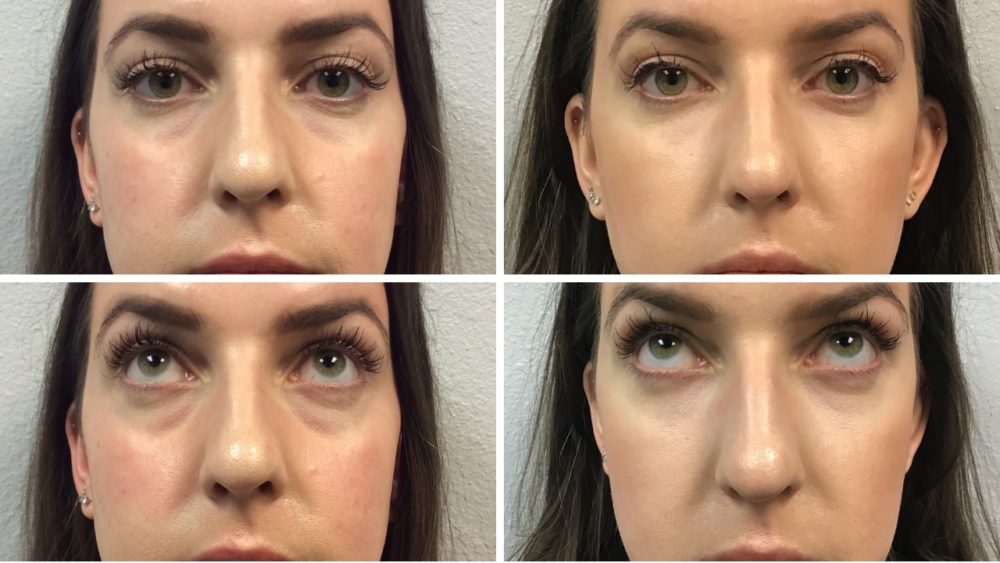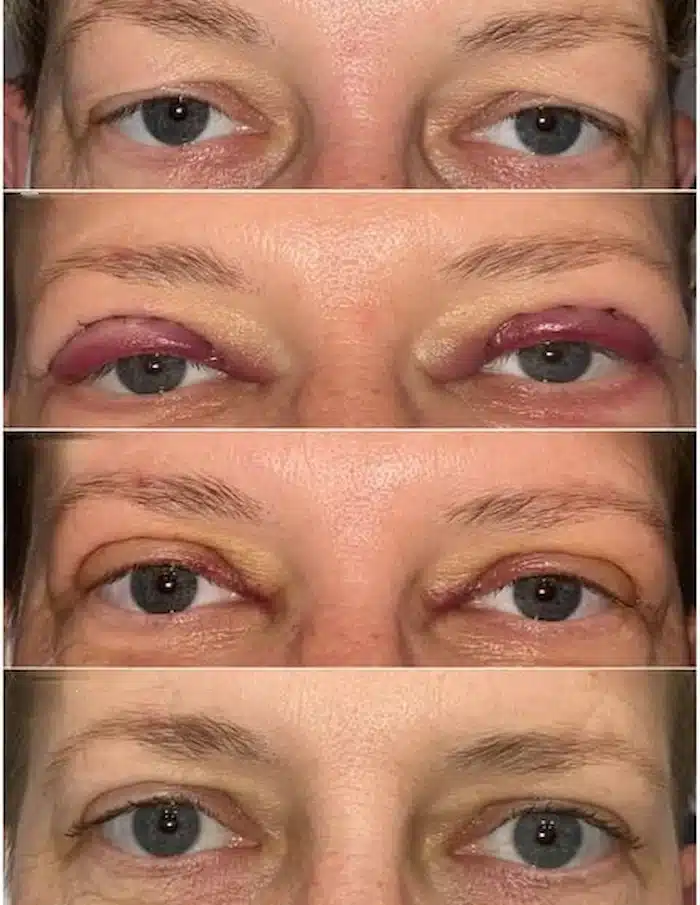
Fractional laser treatment renews skin by sending tiny beams of laser energy into the deeper layers of your skin. These micro-channels trigger your body’s natural healing process, which builds fresh collagen and replaces damaged cells with new, healthy ones. The result is smoother, firmer, more even-toned skin over the weeks and months that follow. According to the American Society of Plastic Surgeons (ASPS), skin resurfacing procedures totaled over 3.7 million in 2024, rising 6 percent from the year before. That growth shows just how many people are turning to laser technology for real, visible skin improvement. In this article, we cover how fractional lasers work, what they treat, how many sessions you need, what recovery looks like, and how the results compare to other options.
How Fractional Laser Treatment Renews Your Skin
Fractional laser treatment renews your skin by targeting only a fraction of the surface at a time. Instead of removing the entire top layer, the laser creates thousands of tiny columns of controlled energy deep into the dermis. The skin between those columns stays untouched, which speeds up healing and lowers the chance of side effects. A study published in The American Journal of Pathology found that collagen Types I and III make up about 80 to 85 percent and 10 to 15 percent of total skin collagen, respectively. Fractional lasers stimulate both of these collagen types, which helps restore the structural foundation that keeps skin firm and smooth.
This approach was a major step forward in laser technology. Research from the Journal of Clinical and Aesthetic Dermatology found that fractional ablative laser resurfacing produced 40 to 50 percent collagen induction. That same research showed a 63 percent improvement in skin texture and a 57 percent improvement in skin tightening in treated patients. We see these kinds of results regularly with the laser skin treatments we offer, and it is one of the reasons fractional lasers remain one of the most requested services in our practice.
How Long Does Fractional Laser Resurfacing Last?
Fractional laser resurfacing lasts for years when you take care of your skin properly. Most patients enjoy their results for two to five years or even longer, depending on their skin type, age, lifestyle, and sun exposure habits. Collagen remodeling from the treatment continues for three to twelve months after your session, according to research published in the Journal of Dermatological Science. That means your skin keeps getting better even after the initial healing phase is over.
Daily sunscreen, a good skincare routine, and periodic maintenance treatments help extend those results. According to a report from Grand View Research, laser skin resurfacing is the fastest-growing aesthetic laser category, with a projected compound annual growth rate of 17.8 percent through 2030. That growth reflects how satisfied patients are with long-lasting outcomes.
What Does Fractional Laser Treat?
Is Fractional Laser Resurfacing Worth It?
Yes, fractional laser resurfacing is worth it for most patients dealing with visible skin damage or signs of aging. A systematic review published in the International Journal of Molecular Sciences found that fractional laser therapies produced 30 to 70 percent improvement in the appearance of acne scars across multiple studies. That level of improvement is hard to match with topical products alone. Fractional lasers treat a wide range of concerns, including fine lines, wrinkles, sun spots, rough texture, enlarged pores, acne scars, and uneven skin tone.
What makes fractional lasers especially valuable is their ability to reach the deeper layers of the dermis where aging and wrinkle damage actually happen. The treatment triggers new collagen and elastin production right where your skin needs it most.
Can I Do Fractional Laser If I Have Rosacea?
Yes, you can do fractional laser if you have rosacea, but it depends on the type of laser and the severity of your condition. Non-ablative fractional lasers are generally considered safer for rosacea patients because they do not remove the outer skin layer. A study published in Lasers in Medical Science found that non-ablative fractional 1440-nm laser therapy was effective for treating acne scars in rosacea patients without worsening flushing, burning, or stinging symptoms. About 73.3 percent of patients in that study were satisfied or highly satisfied with their results.
If you have rosacea, it is important to work with an experienced provider who can adjust the laser settings to your skin. Ablative fractional lasers can sometimes increase redness in sensitive skin, so a customized approach is key. We always assess each patient’s skin condition and history before recommending a specific redness treatment plan.
How Many Sessions of Fractional Laser Do You Need to See Results?
How many sessions of fractional laser you need to see results depends on the type of laser and the condition being treated. For non-ablative fractional lasers, most patients need three to five sessions spaced four to six weeks apart, according to Penn Medicine. Ablative fractional lasers are more aggressive, and many patients see dramatic improvement after just one session. Acne scars often need four to six sessions for the best outcome.
According to Consegic Business Intelligence, the fractional CO2 laser segment held the largest market share in the laser resurfacing industry in 2024, partly because it delivers significant results in fewer sessions. Dermatologists generally recommend waiting at least four weeks between treatments to give the skin enough time to heal and produce new collagen before the next round.
What Happens After 3 Laser Sessions?
After three laser sessions, most patients notice a visible improvement in skin texture, tone, and smoothness. Fine lines appear softer, dark spots fade, and the overall complexion looks more even. Research from the Journal of Clinical and Aesthetic Dermatology confirms that results continue to build after each session because collagen remodeling takes several months to reach its peak. By the third treatment, the cumulative effect of new collagen production is usually quite clear.
Some patients with mild concerns may be happy with their results after three sessions. Others with deeper scars or more advanced sun damage may benefit from additional treatments. Your provider will evaluate your progress and recommend the best path forward.
What Happens If I Stop Laser After 6 Sessions?
If you stop laser after six sessions, your results will not disappear overnight. The collagen your body produced during the treatment series is real and stays in your skin. According to research published in the Journal of Dermatological Science, the dermal remodeling process triggered by fractional lasers can continue for up to 12 months after the last session. Over time, natural aging and sun exposure will gradually reduce the effects, but you will still look better than if you had never done the treatments.
Many patients choose to do one or two maintenance sessions per year to keep their skin looking its best. Pairing laser treatments with quality facials and peels between sessions can also help extend your results.
Ablative vs. Non-Ablative Fractional Laser
There are two main types of fractional lasers, and each one works differently. Ablative fractional lasers remove thin layers of skin tissue while also heating the deeper layers. This produces more dramatic results but comes with a longer recovery period, typically five to seven days of visible peeling and redness. Non-ablative fractional lasers heat the deeper skin without removing the surface, which means less downtime but a need for more sessions to reach similar results.
Both types stimulate collagen production, but ablative lasers tend to produce faster, more noticeable improvement in a single session. According to the Cleveland Clinic, recovery time with fractional CO2 laser resurfacing is about one full week, while non-ablative treatments may cause only mild redness that fades within a few days. Hybrid fractional lasers, like the Halo laser, combine both ablative and non-ablative wavelengths in one session to deliver balanced results with moderate downtime.
| Feature | Ablative Fractional Laser | Non-Ablative Fractional Laser | Hybrid Fractional Laser |
|---|---|---|---|
| How It Works | Removes outer skin layers and heats deeper layers | Heats deeper layers without removing surface skin | Combines both ablative and non-ablative wavelengths |
| Collagen Induction | 40-50% (Journal of Clinical and Aesthetic Dermatology) | Moderate, builds over multiple sessions | High, balanced between both approaches |
| Typical Sessions Needed | 1-2 sessions | 3-5 sessions | 1-3 sessions |
| Recovery Time | 5-7 days (Cleveland Clinic) | 1-3 days | 3-5 days |
| Best For | Deep wrinkles, severe scars, advanced sun damage | Fine lines, mild scars, general skin renewal | Moderate aging, texture, and tone concerns |
| Results Duration | 2-5+ years with care | 1-3 years with care | 2-5 years with care |
Sources: Journal of Clinical and Aesthetic Dermatology (Tierney and Hanke), Cleveland Clinic, Penn Medicine, Grand View Research
Why Does Skin Start to Peel 3 Days After Laser Treatment?
Skin starts to peel 3 days after laser treatment because the laser energy creates controlled micro-injuries in the top and middle layers of the skin. Your body responds by pushing out the damaged cells and replacing them with fresh, new tissue. This peeling is a normal and expected part of the healing process. It is actually a good sign that your skin is regenerating.
The peeling phase usually lasts three to five days, depending on how aggressive the treatment was. During this time, it is important to keep the skin moisturized and protected from the sun. Picking or pulling at the peeling skin can cause scarring or uneven healing, so patience is key.
Do Dermatologists Recommend Laser?
Yes, dermatologists recommend laser treatments for a wide range of skin concerns, from wrinkles and scars to sun damage and uneven pigmentation. According to ReAnIn market research, nearly 50 percent of skincare clinics now offer laser-based procedures as part of their services. The American Academy of Dermatology recognizes laser resurfacing as a proven method for improving skin texture, tone, and firmness.
Dermatologists recommend fractional lasers specifically because they offer a balance between effectiveness and safety. The fractional approach treats only a portion of the skin at a time, which reduces side effects while still delivering meaningful results. Board-certified providers are the best choice for laser treatments because they understand how to customize settings for each patient’s skin type and goals.
Can Laser Fix Sagging Jowls?
Laser can fix mild to moderate sagging jowls by stimulating collagen production in the deeper layers of the skin. Fractional ablative lasers and hybrid lasers like the Halo laser can tighten the skin along the jawline over several months as new collagen fibers form. Research by Tierney and Hanke published in the Journal of Clinical and Aesthetic Dermatology showed a 57 percent mean improvement in skin tightening from fractional CO2 laser treatment.
For more advanced sagging, lasers work best when combined with other treatments. Skin tightening options like radiofrequency devices or ultrasound-based technology can add extra lift and firmness to complement laser results. We often create combination treatment plans for patients who want comprehensive jawline improvement without surgery.
How Painful Is a CO2 Fractional Laser?
A CO2 fractional laser is not as painful as most people expect. Most providers apply a topical numbing cream 30 to 60 minutes before the procedure, and some also use local anesthesia for deeper treatments. During the session, patients typically feel a warm, prickling sensation. According to the Cleveland Clinic, the discomfort is similar to a mild to moderate sunburn.
The treatment session itself usually takes about 20 to 30 minutes for the face, depending on the area being treated. Afterward, there may be some heat and tightness in the skin that subsides within a few hours. Most patients say the results are well worth the brief discomfort, especially when compared to more invasive surgical options.
Which Laser Makes You Look Younger?
The laser that makes you look younger depends on your specific skin concerns and goals. Fractional CO2 lasers deliver the most dramatic anti-aging results because they address wrinkles, sun damage, texture, and tightness all at once. Hybrid fractional lasers like the Halo are also excellent for anti-aging because they combine two wavelengths for a balanced approach with less downtime.
A study published in The American Journal of Pathology found that collagen production declines by about 1 percent per year starting in the mid-twenties. By age 50, a person may have lost roughly 25 percent of their baseline collagen. Fractional lasers directly counteract this loss by forcing the skin to create new collagen and elastin. That is why so many patients report looking years younger after completing their treatment series. Here in Bloomfield Hills, we see patients of all ages who want to restore that youthful glow, and fractional lasers are consistently one of the most effective tools we use.
What to Expect During Fractional Laser Recovery
Recovery from fractional laser treatment depends on the type and intensity of the laser used. For ablative fractional lasers, expect five to seven days of visible redness, swelling, and peeling. Non-ablative fractional lasers have a much shorter recovery, usually just one to three days of mild pinkness. According to Penn Medicine, the skin may feel like a mild sunburn for about an hour after a non-ablative session, with lighter skin tones appearing pink for three to five days.
During recovery, it is critical to avoid direct sun exposure and wear SPF 30 or higher every day. Keep the skin hydrated with a gentle, fragrance-free moisturizer. Avoid retinols, exfoliants, and active ingredients until your provider clears you. The full collagen remodeling process takes three to six months, so your skin will continue improving long after the initial peeling phase is over.
How to Prepare for Fractional Laser Treatment
Preparation makes a real difference in your laser results. Most providers recommend stopping retinoids and exfoliating products two to four weeks before treatment. If you have a history of cold sores, your provider may prescribe an antiviral medication to prevent an outbreak. Avoid tanning beds, prolonged sun exposure, and self-tanners for at least two weeks before your session.
On the day of treatment, arrive with clean skin and no makeup. Your provider will apply a numbing cream and review the treatment plan with you. A thorough skin wellness consultation before your first session helps your provider choose the right laser, settings, and treatment protocol for your specific skin.
Fractional Laser vs. Microneedling
Both fractional laser and microneedling create controlled micro-injuries to stimulate collagen production, but they work in different ways and deliver different levels of results. Fractional lasers use heat energy to penetrate deeper into the skin, while microneedling uses tiny physical needles. According to a comparative study published in the Journal of Cosmetic Dermatology, fractional lasers tend to produce more significant improvement in deeper scars and wrinkles, while microneedling is a gentler option for mild texture concerns.
For patients who want maximum collagen stimulation and are willing to accept a few days of downtime, fractional laser is typically the stronger choice. For those who prefer minimal downtime and a more gradual approach, microneedling is an excellent starting point. Many patients benefit from combining both treatments in a comprehensive skin renewal plan.
Fractional Laser for Acne Scars
Fractional laser is one of the most effective treatments for acne scars. The laser energy breaks down old scar tissue and stimulates the growth of new collagen to fill in depressed areas. A systematic review in the International Journal of Molecular Sciences confirmed that fractional laser therapies consistently produce 30 to 70 percent improvement in acne scar appearance. Boxcar and rolling scars tend to respond well, though deeper ice pick scars may need additional treatments or combination approaches.
For acne scars, most patients need four to six fractional laser sessions spaced about four to six weeks apart. Each session builds on the last, gradually smoothing out the skin’s surface. The ASPS reports that acne scar treatment is one of the leading reasons patients choose laser skin resurfacing, and the satisfaction rates remain high across multiple studies.
What Treatment Makes You Look 10 Years Younger?
The treatment that makes you look 10 years younger is typically a combination approach that includes fractional laser resurfacing as the foundation. A single series of ablative fractional laser treatments can deliver a 51.4 percent improvement in wrinkles and a 63 percent improvement in skin texture, according to research by Tierney and Hanke. When you add injectables like neurotoxins and dermal fillers to address volume loss and dynamic lines, the overall transformation can be truly significant.
No single treatment does everything on its own. The best anti-aging results come from a customized plan that addresses multiple layers of aging, including texture, tone, tightness, and volume. Laser resurfacing handles the skin quality side of the equation, while other treatments fill in the gaps.
Frequently Asked Questions
How Many Times Should I Do a Fractional Laser?
How many times you should do a fractional laser depends on the type of laser and your skin concern. Non-ablative fractional lasers typically require three to five sessions for optimal results, according to Penn Medicine. Ablative fractional lasers may only need one to two sessions. Acne scars usually require four to six treatments. Your provider will recommend a personalized plan based on your goals and your skin’s response to treatment.
How Long Does It Take to See Results From Fractional Laser?
It takes about two to four weeks to see initial results from fractional laser treatment, with continued improvement over three to six months as collagen remodeling progresses. Research published in the Journal of Dermatological Science shows that the dermal remodeling process from fractional lasers can continue for up to 12 months, which means your skin keeps getting better long after the treatment itself.
Is Fractional Laser Safe for All Skin Types?
Fractional laser is generally safe for a wide range of skin types, though patients with darker skin tones (Fitzpatrick Types IV through VI) may have a higher chance of temporary pigmentation changes. Non-ablative fractional lasers are typically the safest option for darker skin. A clinical trial registered with ClinicalTrials.gov specifically studied 1550-nm fractional laser safety in Fitzpatrick Type IV to VI skin and confirmed its effectiveness with proper settings and technique.
Can Fractional Laser Remove Dark Spots?
Yes, fractional laser can remove dark spots by breaking up excess pigment in the skin and encouraging the growth of new, evenly pigmented cells. Both ablative and non-ablative fractional lasers are effective for treating sun spots, age spots, and post-inflammatory hyperpigmentation. Results improve with each session, and most patients see noticeable fading within four to six weeks of their first treatment.
Does Fractional Laser Help With Large Pores?
Yes, fractional laser helps with large pores by stimulating collagen production around the pore walls. As new collagen forms, the skin around each pore tightens, making the pores appear smaller. According to a study in the Journal of Cosmetic Dermatology, fractional laser treatments showed measurable improvement in pore size and overall skin texture after a series of sessions.
Can You Combine Fractional Laser With Other Treatments?
Yes, you can combine fractional laser with other treatments for enhanced results. Many providers pair fractional laser with platelet-rich plasma (PRP) therapy to speed healing and boost collagen production. A study from the Department of Dermatovenerology at Acibadem Sistina Clinical Hospital found that combining fractional CO2 laser with PRP produced better outcomes for facial rejuvenation than laser alone. Other popular combinations include radiofrequency treatments and chemical peels between laser sessions.
How Soon After Fractional Laser Can I Wear Makeup?
How soon after fractional laser you can wear makeup depends on the type of treatment. For non-ablative fractional lasers, most patients can apply mineral makeup within 24 to 48 hours. For ablative fractional lasers, it is best to wait five to seven days or until the peeling phase is complete and the skin has fully re-epithelialized. Your provider will give you specific guidance based on how your skin is healing.
Putting It All Together
Fractional laser treatment is one of the most proven, research-backed ways to renew your skin from the inside out. Whether you are dealing with wrinkles, acne scars, sun damage, or just a loss of that youthful glow, fractional lasers deliver real, measurable improvement. With over 3.7 million skin resurfacing procedures performed in 2024 alone according to the ASPS, it is clear that this technology has earned its place as a go-to option for patients who want results without surgery. The key is finding the right type of laser, the right number of sessions, and the right provider to guide you through the process.
If you are ready to learn more about how fractional laser treatment can help your skin, we are here to help. At FACE Skincare~Medical~Wellness, we take the time to understand your goals and build a plan that fits your skin. Give us a call at (248) 663-0161 to schedule a consultation.