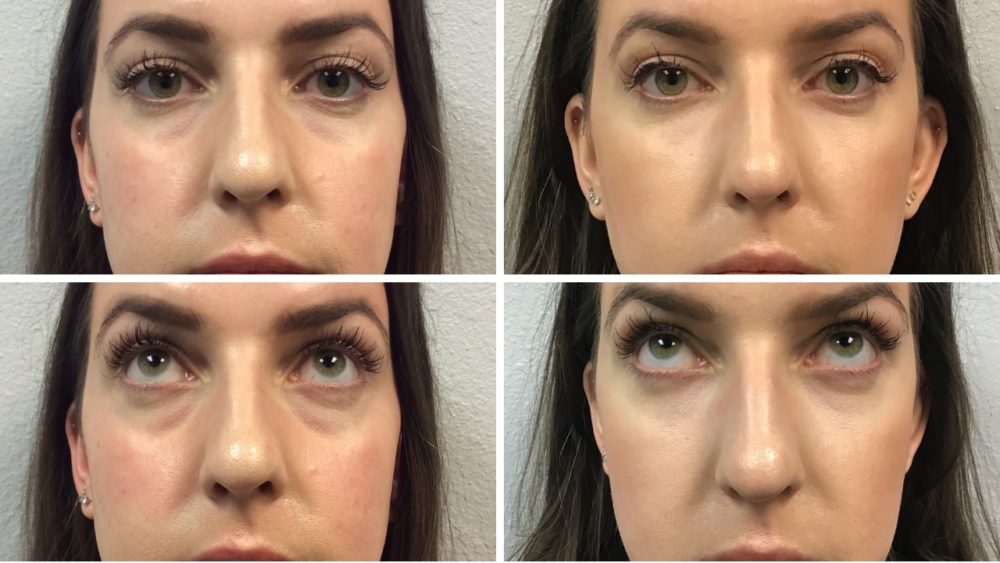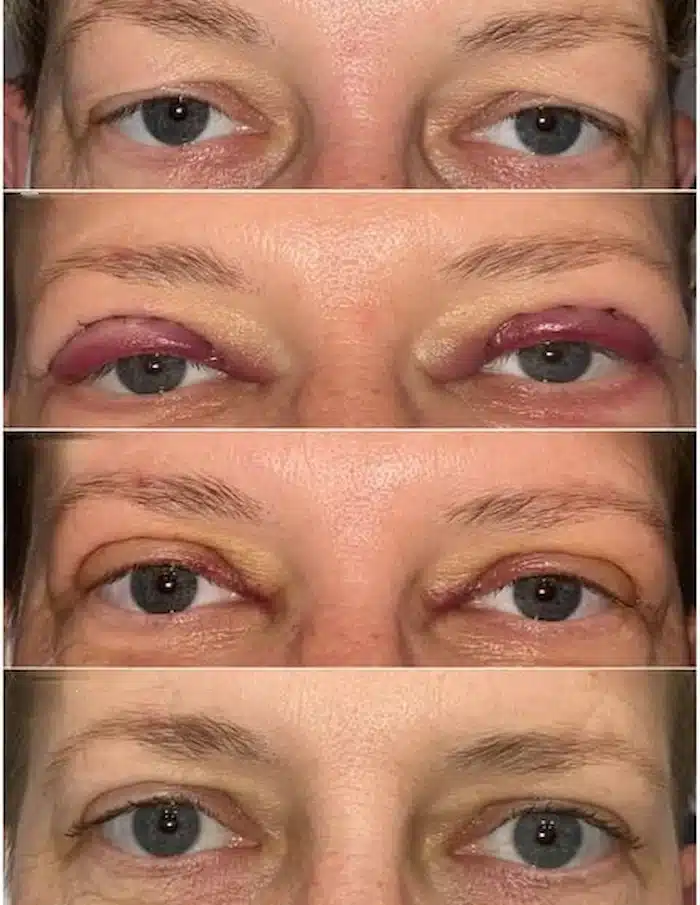
Laser skin rejuvenation uses precisely targeted light energy to reduce sun damage, fine lines, acne scars, uneven pigmentation, and dull skin texture. Treatments range from low-downtime options like BBL and MOXI to more intensive fractional and ablative lasers, with the right choice depending on your skin concerns, skin tone, and how much recovery time you are willing to take.
This is one of the fastest-growing categories in aesthetic medicine right now. According to the American Society of Plastic Surgeons (ASPS), laser skin resurfacing grew 6% in 2024, totaling over 3.7 million procedures in the United States, the highest growth rate of any minimally invasive cosmetic procedure tracked that year. Grand View Research estimates the global aesthetic lasers market at $1.58 billion in 2024 and projects it to reach $4 billion by 2030, growing at a rate of nearly 17% annually. This article covers the most relevant trends, the most commonly asked questions, and how to find the right treatment for your skin.
Does Laser Skin Rejuvenation Really Work?
Yes, laser skin rejuvenation really works. The science is well-established and backed by decades of clinical trials, peer-reviewed studies, and documented patient outcomes. A comprehensive review published in the Journal of Cosmetic Dermatology (Wiley, 2024) confirmed that laser skin resurfacing technologies deliver proven efficacy for photoaging, acne scars, texture irregularities, pigmentation, and vascular lesions. The mechanism is straightforward: laser energy creates a controlled thermal injury in the skin that triggers the body’s natural healing and collagen-building response. As the skin repairs itself, it replaces damaged cells with newer, smoother, firmer tissue.
The key variables are which laser is used, at what intensity, and for what skin type. Non-ablative lasers produce gradual improvements with minimal downtime and work by heating the deeper dermal layers without disturbing the surface. Ablative lasers remove thin layers of the skin’s surface for more dramatic results with more recovery time. Hybrid lasers like Halo combine both technologies in one session for a middle-ground approach. Research from Enhanced Aesthetics and Wellness notes that hybrid lasers can deliver up to 88% reduction in sun damage with customizable intensity, while non-ablative options typically produce 60 to 65% improvement in scars and wrinkles with fewer days of social downtime.
We see these results every day at our practice. The patients who are most satisfied are those who come in with realistic goals, choose the right treatment for their specific concern, and follow proper aftercare instructions. Laser rejuvenation is not magic, but it is genuinely powerful when done correctly.
Which Laser Is Best for Skin Rejuvenation?
The best laser for skin rejuvenation depends entirely on your skin concern, your skin tone, your tolerance for downtime, and how quickly you want results. There is no single best laser for everyone because different devices target different problems at different tissue depths.
Which Laser Is Best for Aging?
The best laser for aging depends on which signs of aging you are addressing. For early aging, sun damage, mild pigmentation, and general skin quality, BBL (BroadBand Light) and MOXI are excellent low-downtime options that most patients can do on a Friday and return to work on Monday. For moderate aging with more significant texture, fine lines, and sun damage, a hybrid fractional laser like Halo offers better depth and results in one to two sessions. For advanced aging with deep wrinkles, significant laxity, and heavy sun damage, fractional CO2 is the strongest resurfacing tool available in a medspa setting, though it requires about a week of healing time.
We offer a full spectrum of laser skin treatments to address aging at every severity level. During your consultation, we assess your actual skin condition and build a realistic plan rather than recommending the same device for every patient.
BBL HERO is one of our most popular maintenance treatments. You can read more about what to expect from this specific technology on our BBL HERO page.
What Is the New Laser for Skin Rejuvenation?
Several newer laser and light-based technologies have gained significant attention in aesthetic spas in recent years. The Alma Hybrid laser combines fractional ablative CO2 with non-ablative 1570 nm wavelength technology in a single device, delivering comprehensive rejuvenation with a shorter recovery than traditional CO2 alone. MOXI from Sciton is a non-ablative thulium fiber laser designed specifically for regular maintenance rejuvenation with virtually no downtime, making it popular for younger patients in their 30s who want to stay ahead of aging. Picosecond lasers have also evolved significantly, now offering improved pigmentation correction and skin quality enhancement through ultra-short energy pulses that cause less thermal damage than traditional nanosecond lasers.
We offer MOXI laser as part of our maintenance rejuvenation program for patients who want consistent skin quality improvements without scheduled downtime.
Patients dealing with redness, rosacea, or sun-induced pigmentation alongside texture concerns can also review our guide to redness and pigmentation treatments for a fuller picture of all available options.
We offer the Alma Hybrid laser at our practice, one of the most versatile resurfacing platforms available today. It allows us to customize the ablative-to-non-ablative ratio based on each patient’s skin and goals.
Which Is Better, an IPL or CO2 Laser?
IPL and CO2 laser are better for different things. IPL (Intense Pulsed Light) is better for surface-level concerns like sun spots, redness, rosacea, and mild pigmentation. It works with broad-spectrum light that targets chromophores like melanin and hemoglobin near the skin surface. CO2 laser is better for deep structural damage including moderate to severe wrinkles, acne scars, skin laxity, and significant textural irregularities. According to BH Skin Dermatology, CO2 laser resurfacing outperforms both non-ablative lasers and IPL for removing wrinkles, scars, and deep skin damage. The trade-off is that CO2 requires 5 to 10 days of healing time, while IPL has virtually no downtime. For patients with both concerns, the two can be staged strategically over multiple sessions.
What Is the Most Effective Skin Rejuvenation Treatment?
The most effective skin rejuvenation treatment overall is a combination approach rather than any single device. Research published in the Journal of Cosmetic Dermatology (Wiley, 2024) confirms that hybrid laser skin resurfacing, which pairs ablative and non-ablative energy in a single treatment, delivers comprehensive skin rejuvenation with meaningful improvements in everything from fine lines to sun damage to skin texture, and it achieves these results with less downtime than full-field ablative CO2 alone. A study by Fusano et al. found sustained clinical outcomes 6 years after hybrid fractional laser treatment for photodamaged facial skin.
For patients who are willing to accept more downtime in exchange for more dramatic results, fractional CO2 remains the single most powerful resurfacing option in a professional medspa setting. Multiple studies published in peer-reviewed dermatology journals confirm its superiority for deep wrinkles, significant acne scarring, and substantial photo damage. A single full-strength session of fractional CO2 can produce results that would take 4 to 6 sessions of non-ablative treatment to approach.
We also offer HALO laser at our practice, a hybrid fractional laser that combines ablative 2940 nm and non-ablative 1470 nm wavelengths in a single pass. It is one of the most popular treatments among patients who want meaningful results without extended social downtime.
Which Is Better, PRP or CO2 Laser?
CO2 laser is stronger than PRP when used as standalone treatments for skin rejuvenation. PRP (Platelet-Rich Plasma) produces modest results when used on its own because it works by concentrating growth factors from your own blood to encourage healing and mild collagen stimulation. It is excellent as a complementary treatment but does not produce the tissue remodeling and collagen restructuring that a properly calibrated fractional CO2 laser delivers.
However, combining PRP with CO2 laser produces better outcomes than either treatment alone. A split-face clinical study published in the Journal of Cosmetic Dermatology (Seoudy, 2023) found that combining fractional CO2 laser with topical platelet-rich plasma produced superior collagen remodeling and wrinkle improvement compared to fractional CO2 alone. The microscopic thermal zones created by the fractional laser open channels in the skin that allow PRP growth factors to penetrate deeper, amplifying the regenerative response. We offer PRP treatments that can be combined with laser sessions for patients who want to accelerate healing and enhance results.
We also offer platelet-rich fibrin (PRF), which is an evolution of PRP that uses a slower centrifuge spin to preserve more growth factors and white blood cells. PRF is increasingly preferred over standard PRP for post-laser enhancement because of its richer growth factor concentration.
What Treatment Makes You Look 10 Years Younger?
The treatments most consistently associated with looking 10 years younger are a combination of laser skin resurfacing, neurotoxins, and targeted fillers used together strategically. No single treatment does it all. Laser resurfacing addresses the skin surface, sun damage, texture, and pigmentation. Neurotoxins relax the muscle-driven lines that make the face look tense and aged. Fillers restore the lost volume that creates hollowness, jowling, and mid-face flattening.
Within laser treatments specifically, the options most likely to produce a dramatic age reversal are fractional CO2 for patients who can handle a week of recovery, or HALO hybrid laser for patients who want significant improvement with 2 to 4 days of visible redness and peeling. A single full-face HALO or fractional CO2 session done well can shave visibly years off the skin’s appearance by evening tone, smoothing texture, reducing sunspots, and stimulating new collagen that improves firmness over the following 3 to 6 months.
According to the non-invasive aesthetic treatments market analysis by Towards Healthcare, the global non-invasive treatment market is projected to grow from $73.96 billion in 2024 to $238 billion by 2034, driven precisely by this demand for comprehensive, combined anti-aging approaches. At our practice, we build these complete plans in consultation so patients understand exactly what to expect and in what sequence.
What Happens After 3 Laser Sessions?
After 3 laser sessions, most patients see a significant cumulative improvement in skin quality that goes well beyond what a single session achieves. The collagen remodeling triggered by each laser treatment continues building for 3 to 6 months after the session, so by the time a patient has completed their third treatment and that final round of collagen production has matured, the skin has undergone a true structural transformation.
For non-ablative lasers and BBL, 3 sessions typically produce visibly clearer, more even-toned, firmer-looking skin with noticeably reduced sun spots and improved texture. For more aggressive fractional treatments, 3 sessions may be more than most patients need, depending on the severity of the original concern. For mild-to-moderate laser options like MOXI, 3 to 4 sessions per year is a commonly recommended maintenance protocol that keeps the skin in a continuous state of collagen renewal.
The skin does not plateau after 3 sessions. Multiple studies show that laser-stimulated collagen production compounds with each session, meaning that consistent treatment over time delivers progressively better skin quality rather than diminishing returns. This is why we build maintenance protocols into our treatment planning rather than treating laser as a one-and-done event.
Are Lasers Better Than Botox?
Lasers are not better than Botox. Botox and lasers do completely different things, and comparing them is like asking whether a hammer is better than a screwdriver. Botox relaxes muscles that cause dynamic wrinkles from facial movement. Lasers improve the quality and tone of the skin surface and stimulate collagen in the deeper dermal layers. They address different layers of the face and different causes of aging.
Botox will not improve sun damage, pigmentation, or skin texture. A laser will not relax the forehead muscle that creates horizontal lines from raising your brows. For most patients in their 40s and beyond, the best anti-aging strategy uses both: laser resurfacing to address the skin itself, and neurotoxins to address the muscle-driven movement that creates lines and wrinkles. Combining them produces results that neither treatment achieves alone.
We explore this combined approach in much more detail on our blog post about laser energy devices 101, which covers how different energy-based technologies work alongside injectables for full-face rejuvenation.
What Is the Strongest Skin Tightening Procedure?
The strongest non-surgical skin tightening procedure depends on how we define “strongest.” For surface-level tightening combined with resurfacing, fractional CO2 laser produces the most significant collagen remodeling and skin contraction of any laser-based approach. For deeper structural tightening of the SMAS (superficial musculo-aponeurotic system) and deeper fascial layers, Ultherapy using high-intensity focused ultrasound (HIFU) delivers energy at depths that no surface laser can reach. For mid-depth tissue tightening with the least downtime, radiofrequency microneedling with devices like Morpheus8 or Sylfirm X delivers RF energy precisely into the dermis and subdermis.
The strongest overall result typically comes from combining approaches: fractional laser for the skin surface, and RF microneedling or Ultherapy for the deeper tissue. We offer an Ultherapy chin strap technique specifically designed for jaw and neck tightening, which you can read about on our Ultherapy chin strap page.
For mid-depth tissue tightening, we also offer radiofrequency skin treatments across the face and body that deliver deep collagen stimulation without ablating the skin surface.
According to the ASPS, non-invasive skin tightening procedures grew 7% from 2022 to 2023, reaching over 438,000 procedures, reflecting strong and growing demand for non-surgical lifting options.
How Many Sessions of Laser Skin Rejuvenation Are Needed?
The number of sessions of laser skin rejuvenation needed depends on which laser is being used and how significant the skin concern is. For more aggressive treatments like fractional CO2, many patients see transformative results from a single session at full settings, with ongoing improvement continuing for 3 to 6 months afterward. For hybrid fractional lasers like HALO, most patients do 1 to 2 sessions per year to maintain and build on their results. For gentler non-ablative and BBL treatments, a standard starting protocol is typically 3 sessions spaced 4 to 6 weeks apart, followed by 1 to 2 maintenance sessions per year.
Maintenance matters more than people realize. The skin is constantly aging, accumulating new sun damage, and losing collagen. A single dramatic laser session produces a reset, but ongoing lower-intensity maintenance keeps the skin in a consistently renewed state. We see the best long-term outcomes in patients who treat their laser program as an ongoing part of their skincare routine rather than a one-time event.
Laser Skin Rejuvenation Options: A Side-by-Side Comparison
| Treatment | Type | Best For | Downtime | Sessions Needed |
|---|---|---|---|---|
| BBL / BBL HERO | BroadBand Light (IPL-class) | Sun spots, redness, rosacea, pigmentation maintenance | Minimal (1 to 2 days of flushing) | 3 to 5 for results; 1 to 2/year for maintenance |
| MOXI | Non-ablative fractional thulium | Early aging, skin quality, “prejuvenation” | Minimal (2 to 3 days of sand-paper texture) | 3 to 4 for initial improvement; quarterly maintenance |
| HALO Hybrid Laser | Hybrid ablative + non-ablative | Sun damage, texture, pores, mild-moderate wrinkles | Moderate (3 to 5 days of redness and peeling) | 1 to 2 sessions per year |
| Fractional CO2 | Ablative fractional | Deep wrinkles, acne scars, significant photodamage, laxity | Significant (5 to 10 days) | 1 session often sufficient; repeat after 1 year if needed |
| Alma Hybrid | Ablative CO2 + non-ablative 1570 nm | Comprehensive resurfacing with customizable depth | Moderate to significant (3 to 7 days) | 1 to 2 sessions per year |
| ProFractional | Ablative fractional erbium | Scars, deep texture, moderate photodamage | Moderate (3 to 5 days) | 1 to 3 sessions spaced 6 to 8 weeks apart |
| Clear + Brilliant | Non-ablative fractional | Skin maintenance, glow, fine lines, mild texture | Minimal (1 to 2 days of redness) | Monthly or quarterly maintenance |
Sources: ASPS 2024 Procedural Statistics Report; Grand View Research Aesthetic Lasers Market Report 2024; Journal of Cosmetic Dermatology Haykal et al. 2024; Enhanced Aesthetics and Wellness Laser Treatment Guide 2025.
What Are the Disadvantages of Lasers?
The disadvantages of lasers for skin rejuvenation are real and worth understanding honestly. The most significant is downtime. Ablative and hybrid lasers require anywhere from 3 to 10 days of healing during which the skin is red, peeling, and sensitive. This is not suitable for everyone’s schedule or lifestyle. For patients who cannot take time away from social obligations or work, the gentler non-ablative and BBL options are more practical, even if they require more sessions to achieve comparable improvements.
The second important consideration is skin tone. Certain lasers carry higher risk of post-inflammatory hyperpigmentation (PIH) in patients with darker skin tones (Fitzpatrick types IV through VI). This is because the laser energy targets melanin and can over-stimulate pigment-producing cells in melanin-rich skin. Not all lasers carry this risk equally. Non-ablative options like Clear + Brilliant and 1927 nm thulium lasers (MOXI) have a much better safety profile for darker skin tones than aggressive ablative CO2. An experienced provider will always assess Fitzpatrick skin type before recommending any laser treatment.
Other practical disadvantages include the temporary nature of results (laser does not stop aging permanently), the need for consistent sun protection after treatment to preserve results, and the fact that laser alone does not address volume loss or muscle-driven lines. These limitations are why we combine laser with injectables and other modalities for comprehensive rejuvenation rather than relying on any single treatment.
Frequently Asked Questions
What Laser Treatments Do Celebrities Get?
Laser treatments celebrities get most commonly include BBL HERO for ongoing skin quality and pigmentation maintenance, HALO hybrid fractional laser for more significant skin resurfacing, and fractional CO2 for deeper rejuvenation. The appeal is results that look like great skin rather than obvious cosmetic work. Celebrities also frequently combine laser treatments with neurotoxins and fillers in a same-day session, which is called a “laser and injectable” combo. The overall trend in celebrity aesthetics has shifted strongly toward natural-looking skin quality rather than dramatic structural changes.
What Causes PRP to Fail?
PRP fails when the platelet concentration in the processed plasma is insufficient, when the patient has underlying conditions that affect platelet function, when the technique is poorly executed, or when expectations are misaligned. PRP is a regenerative treatment that works gradually by stimulating growth factors. Patients who expect dramatic, immediate results are often disappointed because PRP is a subtler, longer-timeline treatment. When PRP is combined with fractional laser, its performance is significantly enhanced because the laser creates channels that allow deeper PRP penetration. PRP is most reliable as a complement to other treatments rather than a standalone resurfacing solution.
What Laser Does Jennifer Aniston Use?
Jennifer Aniston has publicly discussed using laser treatments as part of her skincare routine, and like many Hollywood actresses, she is known to incorporate IPL and BroadBand Light (BBL) type treatments for maintaining skin tone and pigmentation. She has also spoken about using fractional laser treatments for resurfacing. However, public figures do not always disclose the exact devices or settings used, and the term “laser” can refer to many different technologies. What is well-documented is that BBL-type BroadBand Light treatments are among the most popular celebrity maintenance treatments because they deliver a consistent, natural-looking glow with minimal downtime.
Is 6 Sessions of CO2 Laser Enough?
Six sessions of CO2 laser is far more than most patients need and is not a standard protocol. Fractional CO2 laser is a powerful resurfacing treatment typically recommended in 1 to 3 sessions depending on the concern being treated, with 12 months between full-strength sessions to allow the skin to fully heal and collagen to mature. Six full CO2 sessions without adequate time between them would risk over-treating the skin. If you are hearing about a 6-session CO2 protocol, it is likely a very low-intensity or superficial setting, which is a different use case from standard fractional resurfacing. Always clarify with your provider exactly what settings and approach are being used.
What Is the Strongest Skin Rejuvenation Procedure Available?
The strongest skin rejuvenation procedure available in a medical spa setting is full-strength fractional CO2 laser resurfacing, which produces the most significant collagen remodeling, skin contraction, and surface renewal of any non-surgical treatment. For patients who can accept 5 to 10 days of healing, a single well-executed session can deliver changes to skin texture, tone, and firmness that persist for years. For patients who want the strongest result with less downtime, hybrid fractional lasers like HALO and Alma Hybrid offer the next tier of intensity, combining ablative and non-ablative energy for comprehensive results in 3 to 5 days of recovery.
How Do You Prepare Your Skin for Laser Rejuvenation?
Preparing your skin for laser rejuvenation typically involves stopping retinoids and exfoliating acids 5 to 7 days before treatment, avoiding sun exposure and self-tanning products for at least 2 weeks before your session, and avoiding certain blood-thinning supplements or medications if instructed. Some providers recommend pre-treating with a retinoid and vitamin C routine for 4 to 6 weeks before a more aggressive laser to prime collagen production and improve outcomes. Patients with a history of cold sores may be prescribed antiviral medication before ablative treatments to prevent a viral outbreak triggered by the treatment. Our team reviews all pre-care instructions in detail at your consultation appointment.
The Takeaway
Laser skin rejuvenation is one of the most evidence-backed, results-driven categories in aesthetic medicine. Whether you are dealing with years of sun damage, persistent acne scars, uneven pigmentation, or simply want better skin quality and a more radiant complexion, there is a laser protocol designed to address it. The 6% growth in laser resurfacing procedures recorded by the ASPS in 2024, the highest of any minimally invasive category, reflects a patient population that is discovering what skilled providers have known for years: done right, laser rejuvenation produces real, lasting improvements that skincare products alone cannot replicate.
The key is matching the treatment to the skin. The wrong laser at the wrong settings can produce poor results or complications. The right laser, chosen after a thorough assessment by an experienced team, produces the kind of results that patients talk about for years. At FACE Medspa, we have been treating skin with energy-based devices for years and we build every treatment plan around your actual skin, not a one-size-fits-all protocol. If you are curious about which laser treatment is right for you, reach out to schedule a consultation.