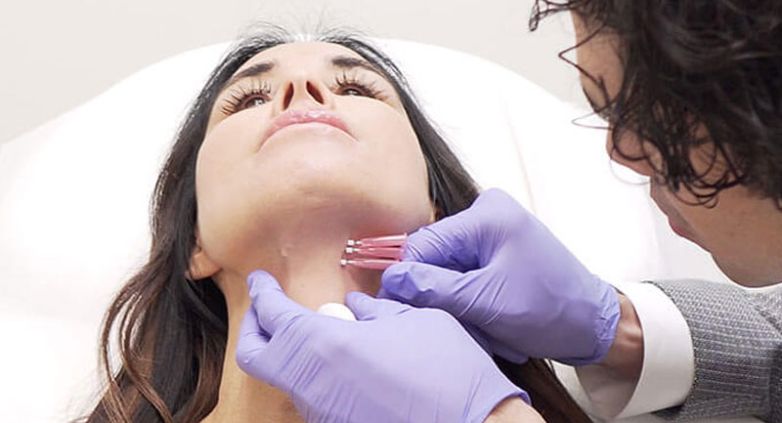
Advanced hydration facials restore dull, dehydrated skin by deeply cleansing, exfoliating, extracting impurities, and infusing hydrating serums and nutrients directly into the skin in a single treatment session. A 2018 clinical study led by T. Mauricio found that participants experienced an average 70 percent improvement in skin hydration levels following regular HydraFacial treatments over 12 weeks, according to data compiled by La Belle Vie Medical Spa. This article covers how hydration facials work, which type is best for dehydrated skin, who can safely get one, what to do before and after, and how these treatments compare to other options for aging or dull skin.
How Advanced Hydration Facials Restore Dull and Dehydrated Skin
Advanced hydration facials restore dull and dehydrated skin by working on multiple layers of the problem at the same time. Dull skin happens when dead skin cells build up on the surface, dehydration depletes the skin’s moisture barrier, and environmental stressors like pollution and UV exposure break down the proteins that keep skin looking fresh. A standard at-home routine can address some of these issues, but professional hydration facials reach deeper and deliver active ingredients more effectively than topical products applied on their own.
The HydraFacial is the most well-known advanced hydration facial. It uses patented vortex fusion technology to cleanse, exfoliate, extract, and hydrate the skin in a multi-step process. According to BeautyHealth’s 2024 Skintuition Report, the treatment deeply cleanses and infuses powerful ingredients into the skin through a specialized delivery system that makes the active formulation more effective than topical application alone. A 2024 study of eight participants showed microscopic changes after HydraFacial treatment, including thicker epidermis and thicker papillary dermis, according to Medical News Today.
The global dull skin treatment market was valued at $4.76 billion in 2024 and is expected to reach $7.93 billion by 2034, growing at a rate of 5.24 percent annually, according to Market Research Future. This growth reflects how common dull, dehydrated skin has become due to modern lifestyle factors like pollution, stress, screen time, and indoor climate control. Professional facial rejuvenation treatments address these issues at a level that at-home products simply cannot match.
What Is the Best Facial for Dehydrated Skin?
The best facial for dehydrated skin is an advanced hydration facial like the HydraFacial, which combines deep cleansing, gentle exfoliation, and concentrated serum infusion in a single session. What makes it ideal for dehydrated skin is that it delivers moisture directly into the deeper layers of the skin through open microchannels rather than just sitting on the surface. According to BeautyHealth, their Hydralock HA Booster is clinically proven to increase skin hydration by over 300 percent after one treatment, while also reducing the appearance of wrinkles by 63 percent.
Additionally, 94 percent of participants in clinical testing reported their skin remained more hydrated, moisturized, and brighter 48 hours after the treatment, according to BeautyHealth’s product data. The triple hyaluronic acid complex, vitamin B5, and fruit extracts in the booster formulation work together to deliver both instant and long-lasting moisture. This kind of multi-layer hydration approach is what separates a professional treatment from applying a serum at home.
Other hydration facial options include oxygen facials, cryotherapy facials, and LED-enhanced facials, all of which support hydration in different ways. But for skin that is specifically dehydrated, meaning it lacks water rather than oil, the vortex-infusion approach of a HydraFacial or similar medical-grade facial is the most targeted solution. We help patients figure out which type is right for them based on their skin’s specific needs, and our post on choosing the right facial walks through the decision-making process in detail.
What Is the Best Thing for Dull Dehydrated Skin?
The best thing for dull dehydrated skin is a combination of professional hydration treatments and a consistent at-home skincare routine built around hydrating and barrier-supporting ingredients. Professional facials deliver deep hydration and exfoliation that jumpstarts the skin’s recovery, while daily products maintain that improvement between appointments.
For the professional side, a HydraFacial every 4 to 6 weeks keeps the skin consistently hydrated and prevents dead cell buildup from dulling the complexion again. A 2022 study found measurable increases in skin hydration, smoothness, and elasticity with consistent HydraFacial treatments, according to Allure Aesthetics. A 2024 peer-reviewed article confirmed subsurface improvements in epidermal thickness and cellular turnover, reinforcing the treatment’s role in overall skin health.
For at-home care, the most important ingredients for dull, dehydrated skin are hyaluronic acid for moisture retention, niacinamide for barrier repair and brightness, vitamin C for antioxidant protection, and ceramides for strengthening the skin barrier. According to IndexBox’s market analysis, the mechanism linking dehydration to impaired skin defense has made hydrating antioxidant products a form of daily preventive care. When professional treatments and the right medical-grade skincare routine work together, the results are significantly better than either approach alone.
Is a HydraFacial Ok if You Have Rosacea?
Yes, a HydraFacial is generally ok if you have rosacea, but only when the condition is stable and not actively flaring. HydraFacials focus on gentle cleansing and hydration, which can actually help reduce redness in rosacea-prone skin. The treatment avoids the kind of aggressive exfoliation or heat that can trigger a rosacea flare-up. According to Orissa Med Spa, HydraFacials are generally safe for people with rosacea because the procedure uses a series of exfoliating ingredients designed to remove dead skin cells without being too harsh.
However, patients with active rosacea flare-ups, open rashes, or severe pustular rosacea should wait until the flare subsides before scheduling a HydraFacial. Some individuals experience mild redness immediately after the treatment, but this typically fades within a few hours. The key is communication with your provider beforehand so the treatment can be customized with gentler settings and serums that will not irritate sensitive skin.
For patients whose primary concern is facial redness from rosacea, a HydraFacial can be part of a broader treatment plan. However, it should not replace medical management of the condition. Rosacea requires proper diagnosis and treatment from a qualified provider, and a HydraFacial can complement that care by maintaining skin hydration and reducing surface irritation between medical treatments.
Can I Get a HydraFacial if I Use Tretinoin?
Yes, you can get a HydraFacial if you use tretinoin, but you need to stop using it at least 48 hours to 2 weeks before the treatment depending on your skin’s sensitivity. During a HydraFacial, glycolic and salicylic acids are used on the skin for exfoliation, and combining those acids with the effects of tretinoin can cause irritation and over-exfoliation if the skin has not had time to recover.
Board-certified providers recommend different timelines based on the patient’s skin type. For patients with normal tolerance to tretinoin, stopping 2 to 3 days before the treatment is typically sufficient, according to The Skin Company. For patients with sensitive skin, stopping 7 to 10 days ahead is safer. According to Trillium Creek Dermatology, topical tretinoin should be discontinued at least two days before a HydraFacial unless the clinician recommends otherwise. Isotretinoin (Accutane) requires a much longer pause of approximately six months.
You can resume tretinoin 2 to 3 days after the HydraFacial once any redness or sensitivity has resolved. The most important thing is to let your provider know about all the active products in your routine so the treatment can be adjusted accordingly. We always review each patient’s full skincare regimen at our Bloomfield Hills practice during their initial consultation to prevent any unexpected reactions.
What Not to Do Before a HydraFacial?
Before a HydraFacial, do not use retinoids, chemical exfoliants, benzoyl peroxide, or any other active skincare products for at least 2 to 3 days. Do not wax, use scrubs, or do any physical exfoliation for 3 to 5 days before the treatment. Do not get excessive sun exposure or use a tanning bed in the days leading up to your appointment.
These precautions exist because the HydraFacial includes an exfoliation step with glycolic and salicylic acids. If the skin is already sensitized from active products or sun exposure, those acids can cause irritation. According to The Skin Company, skipping these preparation steps can leave the skin irritated or produce underwhelming results. The goal is to arrive with skin that is clean but not pre-stressed by other treatments.
It is also important to avoid wearing heavy makeup to the appointment and to let your provider know about any changes in your skin condition, recent procedures, or medications. If you are prone to cold sores, antiviral medication may be recommended before and after the treatment. Planning ahead is simple and makes a real difference in how your skin responds. For patients who want to know how often to schedule these treatments, consistency matters as much as preparation.
What Is the Best Age to Start Getting HydraFacials?
The best age to start getting HydraFacials is in the mid-20s to early 30s, when the skin’s natural collagen production begins slowing down and environmental damage starts showing up as dullness, dryness, and early fine lines. There is no strict age requirement. HydraFacials are gentle enough for teens dealing with congestion and safe for patients well into their 60s and 70s who want to maintain hydration and skin quality.
According to BeautyHealth’s 2024 Skintuition Report, consumer preferences are shifting toward what they call “skinimalism,” meaning fewer but more effective in-office treatments that deliver clinically proven results. This trend is especially strong among younger adults who want to build a foundation of skin health before visible aging begins. The report also noted that Hydrafacial treatments for the neck and decollete surged by 55 percent globally compared to the previous year, showing that patients of all ages are expanding their treatment areas.
The US facial skin care market grew by 2.2 percent in 2024, according to a report from Mintel. Hydration and anti-aging remain the top two consumer priorities across age groups. Starting professional facials in your late 20s or early 30s is a smart preventive move, but patients at any age benefit from regular hydration treatments.
What’s the Best Thing to Do After a HydraFacial?
The best thing to do after a HydraFacial is to let the skin rest and absorb the serums that were infused during the treatment. Avoid applying makeup, using active skincare products, or washing the face for at least 6 hours. The hydrating serums and antioxidants delivered during the treatment are still absorbing into the skin during this window, and touching or layering products on top can reduce their effectiveness.
In the first 24 to 48 hours after the treatment, avoid direct sun exposure, saunas, steam rooms, and intense exercise that causes heavy sweating. Apply a gentle moisturizer and broad-spectrum sunscreen when heading outside. Avoid retinoids, chemical exfoliants, and harsh cleansers for 2 to 3 days to let the skin settle. These aftercare steps are simple but make a noticeable difference in how long the glow lasts.
Most patients report an immediate improvement in brightness and hydration right after the session. According to La Belle Vie Medical Spa, the HydraFacial is one of the most researched non-invasive facial treatments, with multiple peer-reviewed studies showing consistency in patient satisfaction. For patients curious about the duration of that glow, we break down exactly what to expect in our post about HydraFacial results over time.
How Long Does It Take Your Face to Heal After a HydraFacial?
Your face takes very little time to heal after a HydraFacial because the treatment is non-invasive and gentle. Most patients walk out of the appointment with an immediate glow and no visible signs of irritation. Some patients experience mild redness that fades within a few hours. According to a 2024 UK dermatological study cited by Hertford Cosmetics, HydraFacial’s simultaneous hydration approach reduces recovery time by 89 percent compared to traditional exfoliation methods.
There is no real downtime with a HydraFacial. Patients can return to their normal routine immediately after the treatment, including going back to work or social events. This is one of the main reasons HydraFacials are so popular for pre-event glow-ups. The skin looks refreshed and hydrated right away rather than red or peeling.
The only patients who may experience a slightly longer settling period are those with very sensitive skin or rosacea-prone skin. In those cases, mild pinkness or a warm feeling may last up to 24 hours, but this is rare. Over 92 percent of patients report high satisfaction with HydraFacial results, according to data from UK-based clinical surveys. The gentle approach of advanced facial treatments is one of the reasons patients keep coming back.
Which Is Better for Aging Skin, Microneedling or Chemical Peel?
Microneedling is generally better than chemical peels for aging skin because it stimulates collagen production deep in the dermis, which addresses the root cause of skin aging rather than just the surface. Chemical peels work by removing the outermost layers of the skin to reveal fresher skin underneath. They are effective for mild discoloration, surface texture, and superficial fine lines. But for structural concerns like skin laxity, deeper wrinkles, and significant collagen loss, microneedling delivers stronger results.
According to the comprehensive dermatology review compiled in 2024, microneedling results are often comparable or superior to chemical peels and fractional lasers, especially for darker skin types due to a lower risk of pigmentation problems. For aging skin specifically, RF microneedling produces average improvement rates of 25 to 35 percent in skin laxity scores after three treatments, according to La Belle Vie Medical Spa. Chemical peels cannot match that level of structural remodeling.
That said, chemical peels and microneedling are not competing treatments. They work well together in a comprehensive plan. A chemical peel can refresh the surface while microneedling rebuilds the deeper structure. For patients whose primary concern is dull, dehydrated skin without significant laxity, a hydration facial may be the better starting point. For patients with more advanced aging concerns, microneedling or RF microneedling is the stronger option.
Hydration Facial Options Compared
| Treatment | Best For | Hydration Level | Downtime | Recommended Frequency |
|---|---|---|---|---|
| HydraFacial | Dehydration, dullness, congestion, fine lines | Deep (vortex infusion delivery) | None | Every 4 to 6 weeks |
| Oxygen Facial | Dullness, circulation, pre-event glow | Moderate (surface delivery) | None | Every 4 to 6 weeks |
| LED-Enhanced Facial | Inflammation, redness, mild dehydration | Light (topical + light therapy) | None | Weekly to biweekly |
| Chemical Peel (light) | Surface dullness, dead cell buildup, mild discoloration | Low (exfoliation-focused) | 1 to 3 days | Every 4 to 6 weeks |
| Microneedling | Deep texture, scars, laxity, advanced aging | Moderate (serum delivery through channels) | 1 to 3 days | Every 4 to 6 weeks |
Sources: BeautyHealth 2024 Skintuition Report, La Belle Vie Medical Spa (2025), Allure Aesthetics (2025), Comprehensive Dermatology Review (2024), Medical News Today (2025).
Frequently Asked Questions
Which Facial Is Best After a Chemical Peel?
The best facial after a chemical peel is a gentle hydration facial like a HydraFacial, scheduled at least 2 to 4 weeks after the peel once the skin has fully healed. The hydration facial replenishes moisture and nutrients that were depleted during the peel’s exfoliation process. Layering a hydration treatment after a peel helps the skin recover faster and maximizes the brightness and smoothness that the peel started.
Can a HydraFacial Help With Oily Skin Too?
Yes, a HydraFacial can help with oily skin because it deeply cleanses pores and removes excess sebum without stripping the skin of the moisture it needs. Dehydrated skin sometimes overproduces oil to compensate for the lack of water, so adding proper hydration can actually reduce oiliness over time. We cover this in more detail in our post about whether HydraFacials work for oily skin.
How Often Should You Get a Hydration Facial?
You should get a hydration facial every 4 to 6 weeks for optimal results. This timing aligns with the skin’s natural cell turnover cycle, which takes about 28 days. Regular treatments prevent dead cell buildup, maintain hydration levels, and keep the skin looking consistently bright and smooth. Some patients schedule monthly sessions as a maintenance staple in their overall skincare plan.
What Is the Most Effective Skin Treatment for Aging Skin?
The most effective skin treatment for aging skin depends on the specific concern. For hydration and surface-level brightness, a HydraFacial delivers immediate results. For structural concerns like skin laxity, wrinkles, and collagen loss, RF microneedling is the strongest non-surgical option. According to the ASPS 2024 report, over 28.5 million minimally invasive procedures were performed in the United States that year, with skin tightening and facial rejuvenation among the most popular categories.
Is a HydraFacial Worth It for Dull Skin?
Yes, a HydraFacial is worth it for dull skin. Clinical testing from BeautyHealth shows that a single treatment increases hydration by over 300 percent and reduces the appearance of wrinkles by 63 percent. The immediate glow and smoothness are noticeable right after the session, and with consistent treatments every 4 to 6 weeks, patients see sustained improvement in brightness, hydration, and overall skin quality.
Can You Get a HydraFacial While Pregnant?
Many providers defer HydraFacial treatments during pregnancy as a precautionary measure. The treatment includes glycolic and salicylic acids, and while the amounts used are small, most practices prefer to err on the side of caution. If you are pregnant or planning to become pregnant, talk to your provider about whether a modified version of the treatment is an option or if waiting is the safer choice.
Do HydraFacials Help With Fine Lines?
Yes, HydraFacials help with fine lines. Clinical data from BeautyHealth’s Hydralock HA Booster shows a 63 percent reduction in the appearance of wrinkles after one treatment. The combination of exfoliation, hydration, and antioxidant infusion plumps the skin and smooths fine lines. A 2024 peer-reviewed article confirmed subsurface improvements in epidermal thickness and cellular turnover after HydraFacial treatments, which contributes to the visible reduction in fine lines over time.
Putting It All Together
Advanced hydration facials are one of the most effective ways to restore dull, dehydrated skin without any downtime. Treatments like the HydraFacial deliver deep cleansing, exfoliation, and concentrated hydration in a single session, with clinical evidence showing dramatic improvements in moisture levels, brightness, and fine line reduction. For patients dealing with persistent dullness, dehydration, or early signs of aging, regular professional hydration facials provide consistent, measurable results that at-home products alone cannot match.
If you are ready to give your skin the hydration and brightness it has been missing, the team at FACE Skincare~Medical~Wellness is here to help. Call us at (248) 663-0161 to schedule a consultation.