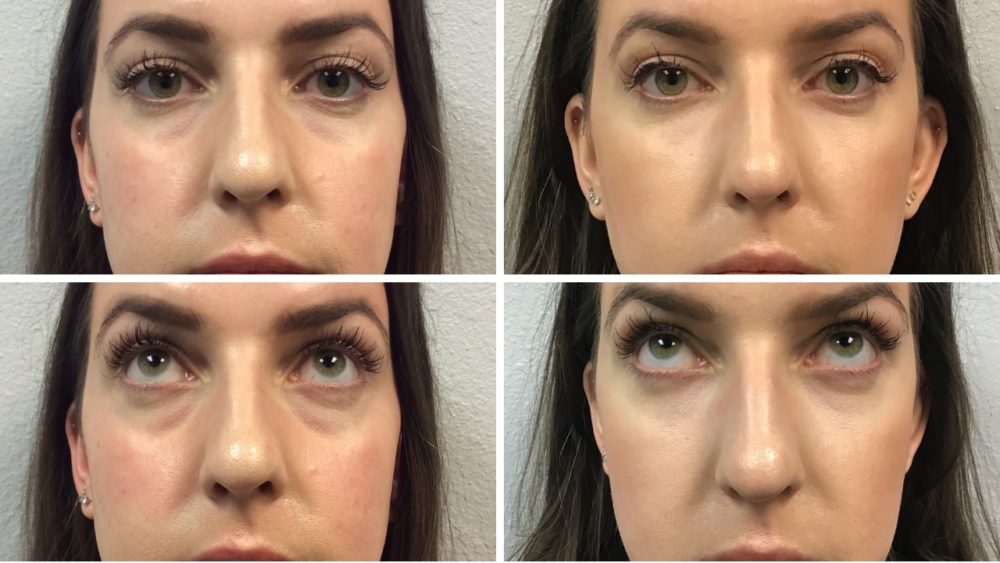
Exosome therapy is an advanced topical skin booster that uses microscopic vesicles from stem cells to signal cellular repair, collagen production, and faster healing. These tiny messenger bubbles (30 to 150 nanometers) deliver proteins, lipids, and RNA directly to skin cells, typically after microneedling or laser treatments create micro-channels that allow deeper penetration. Compared to PRP and PRF, exosomes are derived from donor or plant stem cells rather than the patient’s own blood, require no blood draw, and often accelerate recovery more dramatically. Compared to energy-based devices like lasers and RF microneedling, exosomes are rarely a standalone replacement; instead, they work alongside these treatments to supercharge the healing process and enhance collagen synthesis during recovery.
This guide covers exactly how exosome therapy works, how it compares to PRP, Botox, fillers, lasers, and RF microneedling, what the clinical research shows, and when combining treatments produces the strongest results.
What Is Exosome Therapy for Skin Rejuvenation?
Exosome therapy for skin rejuvenation is a regenerative treatment that delivers concentrated biological signals to skin cells. Exosomes are extracellular vesicles secreted by stem cells that carry over 400 growth factors, cytokines, microRNAs, and proteins capable of instructing cells to repair, regenerate, and produce new collagen. A 2026 systematic review published in Dermatology Practical & Conceptual confirmed that exosome-based therapies significantly improve skin elasticity, reduce wrinkle depth, enhance hydration, and modulate pigmentation across 21 clinical studies analyzed.
The word “exosome” comes from the Greek “exo” (outside) and “soma” (body), referring to how cells release these vesicles externally to communicate with neighboring cells. Unlike a serum that sits on the skin surface, exosomes function at the cellular level. They dock with fibroblast receptors in the dermis and deliver regenerative cargo that changes how those cells behave. Fibroblasts respond by increasing production of type I and type III collagen, synthesizing new elastin fibers, and reducing the inflammatory signals that contribute to dull, uneven skin tone.
The global exosome serum market reached $285 million in 2025 and is projected to grow to $2.1 billion by 2034 at a 24.8% compound annual growth rate, according to Intellectual Market Insights. Consumer search interest in exosomes surged 557% year-over-year, according to Salisbury Plastic Surgery. This rapid growth reflects genuine clinical advancement, not just marketing hype, though understanding how exosomes compare to established regenerative aesthetics treatments is essential before choosing a protocol.
How Does Exosome Therapy Work on the Skin?
Exosome therapy works on the skin by delivering biological signaling molecules through micro-channels created by procedures like microneedling or laser resurfacing. The micro-channels allow exosome vesicles to bypass the skin barrier and reach the dermal layer directly. Once inside the dermis, exosomes attach to cell surface receptors and release their cargo of growth factors, including Vascular Endothelial Growth Factor (VEGF) for improved blood flow and Transforming Growth Factor-beta (TGF-beta) for collagen synthesis.
This delivery mechanism explains why exosome therapy is rarely performed as a standalone procedure. The skin’s outer layer, the stratum corneum, blocks particles larger than approximately 500 daltons from passing through on its own. Exosomes measure 30 to 150 nanometers and require an entry point. Microneedling creates thousands of controlled micro-injuries at depths of 0.5 to 2.5 millimeters, producing channels that allow exosomes to penetrate directly into the target tissue. Laser skin treatments achieve a similar effect by removing the outermost skin layers and exposing the regenerative tissue beneath.
The cellular response begins within hours of application and continues for weeks. Early improvements in hydration and glow typically appear within 7 to 10 days, according to the International Association for Physicians in Aesthetic Medicine (IAPAM). Structural changes, including dermal thickening and collagen remodeling, take 8 to 12 weeks to become visible. A case study published in the journal Dermatology and Therapy found that two sessions of topical exosomes with superficial microneedling reduced pore size by up to 41%, erythema by 42%, and melanin deposition by 31% at 5.5 months, with results sustained at the 21-month follow-up.
Are Exosomes Better Than Botox and Dermal Fillers?
Exosomes are not better or worse than Botox and dermal fillers; they solve fundamentally different problems through different mechanisms. Botox and other neurotoxins temporarily relax the facial muscles responsible for dynamic wrinkles like forehead lines and crow’s feet. Dermal fillers add hyaluronic acid or other materials beneath the skin to restore lost volume in the cheeks, lips, nasolabial folds, and under-eye hollows. Both are corrective treatments that address visible structural changes almost immediately.
Exosome therapy takes a completely different approach. Rather than correcting what is already visible, exosomes instruct skin cells to rebuild from within. The regenerative signals promote new collagen and elastin synthesis over weeks and months, gradually improving skin quality at the cellular level. A patient with deep nasolabial folds needs filler to restore volume today; a patient with dull, rough texture, early fine lines, and slow healing capacity benefits from the regenerative approach that exosomes provide.
The distinction comes down to what dermatologists call corrective versus regenerative treatment philosophy. Corrective treatments alter an existing structure: Botox relaxes a muscle, filler replaces lost volume. Regenerative treatments like exosomes work with the body’s own repair pathways to restore the skin’s natural ability to produce collagen, fight inflammation, and heal efficiently. Many patients benefit from both approaches used together within a comprehensive treatment plan.
Which Is Better, PRP or Exosomes?
PRP and exosomes are both regenerative treatments, but exosomes deliver a more concentrated and consistent signaling payload without requiring a blood draw. Platelet-rich plasma (PRP) is derived from the patient’s own blood, processed through a centrifuge to concentrate platelets and growth factors, then injected or applied to the skin. Exosomes are derived from mesenchymal stem cells, plant stem cells, or donor platelet sources in a laboratory, producing a standardized formulation that does not depend on the patient’s age or health status.
The concentration difference is significant. Standard PRP therapy delivers approximately 7 to 25 growth factors, according to clinical data cited by aesthetic practitioners. Exosomes contain over 400 growth factors, cytokines, microRNAs, and signaling proteins. This higher concentration allows exosomes to trigger a broader and more targeted cellular response. A systematic review published in the National Library of Medicine found that exosome-treated skin showed an 11.3% improvement in elasticity versus a 3.3% decline in control groups, a statistically significant difference (p = 0.002).
PRP carries its own advantages. Because it uses the patient’s own biological material, the risk of allergic reaction or immune response is extremely low. PRP has a longer clinical track record and more extensive published research supporting its efficacy. The American Academy of Dermatology notes that most patients who see results from PRP undergo three or more treatment sessions. PRFM treatment, an advanced form of PRP that uses a fibrin matrix scaffold, extends the release of growth factors over a longer period than standard PRP.
The practical differences also matter to patients. PRP requires a blood draw at the start of every session, which takes 30 to 60 minutes of total procedure time. Exosome application skips the blood draw entirely, making sessions shorter and more comfortable. Exosome potency remains consistent regardless of the patient’s age, while PRP quality can decline in older patients whose platelet function has diminished. Both treatments produce minimal downtime with mild redness lasting 24 to 48 hours.
How Does Exosome Therapy Compare to RF Microneedling and Laser Treatments?
Exosome therapy compares to radiofrequency treatments and laser therapies as a complementary modality rather than a competing one. RF microneedling combines microneedling with radiofrequency energy to create controlled thermal injury in the dermis, stimulating collagen remodeling over 4 to 6 weeks. Laser resurfacing removes damaged outer skin layers and triggers tissue renewal. Both are device-based treatments that rely on controlled injury to activate the body’s natural healing cascade.
Exosomes amplify that healing cascade. When applied immediately after RF microneedling or laser resurfacing, exosome vesicles penetrate through the freshly created micro-channels and deliver their regenerative cargo directly to the cells responsible for repair. According to aesthetic practitioners cited by Intellectual Market Insights, exosome serums incorporated into procedures like microneedling, laser resurfacing, and radiofrequency decreased post-procedure erythema by 40 to 55% and increased epithelialization rates by 35 to 45% compared to the same procedures performed without exosomes.
The synergy between device-based treatments and exosome therapy is the key concept here: devices create the structural micro-injuries needed for deep remodeling, while exosomes supercharge the healing process and enhance collagen synthesis during recovery. A split-face observational study published in the Journal of Craniofacial Surgery tested this combination on 9 women aged 30 to 50. The exosome-treated sides showed greater improvements in texture, hydration, elasticity, and pigmentation at 30, 90, and 180 days. The most notable gains occurred with microneedling plus exosomes and CO2 laser plus exosomes.
Patients considering RF microneedling with PRP may also want to discuss exosome alternatives with their provider, as both PRP and exosomes serve the same enhancement role but through different biological mechanisms.
Does Microneedling With Exosomes Work?
Yes, microneedling with exosomes works and is currently the most studied and clinically supported method of exosome delivery for skin rejuvenation. A 12-week prospective, randomized, split-face study published in the Journal of Cosmetic Dermatology found that microneedling combined with adipose-derived stem cell exosomes produced statistically significant improvements in wrinkle parameters, hydration, and elasticity compared to microneedling alone.
The mechanism is straightforward. Microneedling creates between 250 and 300 micro-channels per square centimeter at controlled depths. These channels remain open for approximately 10 to 15 minutes after the procedure. Applying exosome solution immediately after microneedling allows the vesicles to travel through these channels and reach the dermal fibroblasts, melanocytes, and keratinocytes that drive skin renewal. A 2025 systematic review of 19 human studies found no serious adverse events associated with topical exosome application following microneedling.
Research published by the IAPAM found that over 85% of patients reported noticeable improvement after three microneedling sessions combined with exosomes. Studies report wrinkle reduction ranging from 23% to 36% after 12 weeks of treatment, according to Salisbury Plastic Surgery. Skin hydration measurements using corneometry showed increases of 15% to 25%. MSC-exosome therapy following fractional CO2 laser achieved a 32.5% improvement in scar thickness versus 19.9% in the control group (p < 0.01), according to a systematic review in the National Library of Medicine.
Can You Combine Exosomes With Laser Treatments?
Yes, you can combine exosomes with laser treatments, and this combination is one of the most effective clinical applications for exosome therapy. Laser resurfacing removes the outer layers of damaged skin and creates a controlled wound that activates the body’s healing response. Applying exosomes to the treated area immediately afterward delivers concentrated regenerative signals that accelerate recovery and improve the final result.
The benefits of combining exosomes with laser treatments extend beyond just better skin quality. Post-laser redness, swelling, and peeling are common side effects that keep patients out of their normal routine for several days. Exosome application can shorten this recovery window significantly. The 40 to 55% reduction in post-procedure erythema reported by aesthetic practitioners means less visible redness and faster return to daily activities. Faster epithelialization, the process of new skin cells covering the treated area, means the protective skin barrier rebuilds sooner.
A meta-analysis published in the Aesthetic Surgery Journal in 2026 analyzed 39 studies and clinical trials involving exosome therapies. Across these studies, exosome treatments applied topically, through injection, or combined with regenerative skincare protocols were consistently linked to improvements in wrinkles, pigmentation, erythema, and enhanced skin elasticity and texture. The authors noted that exosome therapy alone, without adjunctive procedures, can yield clinically meaningful improvements, but the strongest results came from combination protocols. The table below puts exosome therapy side by side with PRP, Botox, fillers, and RF microneedling so you can see how each approach differs in mechanism, downtime, results timeline, and ideal use case.
| Treatment | Mechanism | Source | Downtime | Results Timeline | Best For |
|---|---|---|---|---|---|
| Exosome Therapy | Delivers signaling vesicles to instruct cells to regenerate | Stem cell or platelet-derived (lab-produced) | Minimal; mild redness 24-48 hours | 7-10 days (glow); 8-12 weeks (collagen) | Texture, tone, hydration, post-procedure recovery |
| PRP/PRFM | Concentrates patient’s own growth factors from blood | Patient’s own blood (autologous) | Minimal; mild redness 24-72 hours | Weeks to months; 3+ sessions typical | Fine lines, scars, hair restoration, natural approach |
| Botox/Neurotoxins | Relaxes facial muscles to smooth dynamic wrinkles | Botulinum toxin (pharmaceutical) | None to minimal | 3-7 days onset; lasts 3-4 months | Forehead lines, crow’s feet, frown lines |
| Dermal Fillers | Adds volume beneath the skin with injectable material | Hyaluronic acid or calcium hydroxylapatite | Mild swelling 1-3 days | Immediate; lasts 6-24 months by type | Volume loss, nasolabial folds, lips, cheeks |
| RF Microneedling | Creates controlled thermal injury to stimulate collagen | Device-based (in-office procedure) | Redness and swelling 2-5 days | 4-6 weeks per session; 3 sessions typical | Skin laxity, acne scars, deep texture concerns |
How Many Exosome Treatments Are Needed?
Most patients need 2 to 3 exosome treatment sessions spaced 4 to 6 weeks apart to achieve optimal results. A single session can produce visible improvements in hydration and glow, but the collagen-building and texture-refining benefits of exosome therapy require multiple sessions to reach their full potential. Each session builds on the regenerative foundation established by the previous one, creating a cumulative effect that a single treatment cannot replicate.
The number of sessions depends on the specific concern being treated and whether exosomes are used as a standalone application or combined with another procedure. Patients combining exosomes with microneedling for general aging and wrinkle improvement typically follow a 3-session protocol. Patients using exosomes primarily for post-laser recovery may need only 1 to 2 applications. Maintenance sessions every 12 to 18 months help sustain the collagen foundation that the initial series established.
How Long Do Exosome Results Last?
Exosome results last 12 to 18 months after a full treatment series, with peak improvement typically visible at the 3 to 6 month mark. The timeline follows a predictable pattern because exosomes produce real structural changes in the dermis, not temporary surface-level effects that fade once a product wears off.
The results timeline for exosome therapy progresses through distinct phases:
- Days 1-10 (initial response): Hydration improves, mild glow appears, inflammation from the paired procedure resolves faster than expected.
- Weeks 2-6 (active regeneration): Fibroblasts increase collagen and elastin production in response to the exosome signals. Skin texture begins to smooth. Fine lines soften.
- Months 2-6 (peak remodeling): New collagen fibers mature and organize. Elasticity measurably improves. Pigmentation evens out. Pore size decreases. This is when the most dramatic visible change occurs.
- Months 6-18 (sustained improvement): The collagen foundation built during the active phase continues to support improved skin firmness and elasticity. Gradual natural aging resumes but from a healthier baseline.
A case study published in Dermatology and Therapy followed a patient who received just two exosome sessions with superficial microneedling. Objective 3D imaging measurements showed that improvements in pore size, redness, and pigmentation persisted for nearly 2 years without retreatment, suggesting that the biological remodeling triggered by exosomes creates durable structural changes rather than temporary cosmetic correction.
Are Exosomes Really Worth It?
Exosomes are worth it for patients whose primary concern is overall skin quality, including texture, tone, hydration, elasticity, and post-procedure recovery, rather than immediate structural correction like volume replacement or muscle relaxation. The clinical data supports measurable improvements across multiple skin parameters. Studies report wrinkle reduction of 23 to 36% after 12 weeks, hydration increases of 15 to 25%, and elasticity improvements that are statistically significant compared to control groups.
The value proposition strengthens considerably when exosomes are used as part of a combination protocol. Patients who add exosomes to microneedling or laser treatments invest in faster recovery, reduced redness, and enhanced long-term results from the procedure they were already planning to have. The over 85% patient satisfaction rate reported after three microneedling-plus-exosome sessions by the IAPAM reflects this compounding benefit.
Exosome therapy does require a higher per-session investment than PRP. The tradeoff is that exosomes often require fewer total sessions, deliver consistent potency regardless of patient age, and skip the blood draw entirely. Patients should weigh these factors alongside their specific skin goals during a consultation with a qualified biostimulation provider.
What Should You Know Before Trying Exosome Therapy?
Before trying exosome therapy, patients should understand several important factors that affect both safety and results. The most critical consideration is regulatory status. No exosome products have received FDA approval for cosmetic or therapeutic use as of 2026, according to the FDA’s public safety notification updated in May 2026. This does not mean exosomes are unsafe; it means the regulatory framework for these products is still developing, and the quality of exosome formulations varies significantly between manufacturers.
Product quality matters enormously. Exosomes derived from adipose-derived stem cells, platelet sources, and plant stem cells each contain different combinations of growth factors and signaling molecules. Dr. Jennifer Holman of U.S. Dermatology Partners has noted that the effectiveness of exosome therapy depends largely on the molecules contained within the vesicle. A review published in Dermatological Reviews in 2026 emphasized that substantial variability in cell sourcing, manufacturing processes, and product characterization makes standardization challenging.
Results from exosome therapy are gradual, not immediate. Patients accustomed to the instant visible change from fillers or the 3-to-7-day onset of Botox should set expectations accordingly. Exosomes build real tissue over weeks and months. The clinical evidence published in the Journal of Clinical and Aesthetic Dermatology also notes that while preliminary studies are promising, larger standardized clinical trials with longer follow-up periods are still needed to fully confirm long-term efficacy.
Seeking treatment from a qualified provider who sources exosomes from reputable manufacturers and follows evidence-based protocols is the single most important step a patient can take. At our practice in Bingham Farms, Michigan, we evaluate each patient’s skin quality, treatment history, and goals before recommending any regenerative approach.
Who Is a Good Candidate for Exosome Therapy?
A good candidate for exosome therapy is someone who wants to improve overall skin quality at the cellular level rather than correct a single visible concern like deep volume loss or prominent dynamic wrinkles. The ideal candidate profile includes patients experiencing early-to-moderate signs of aging, such as dull skin tone, uneven texture, reduced elasticity, enlarged pores, and fine lines that have not yet progressed to deep static wrinkles.
Exosome therapy is particularly well-suited for patients who fall into these categories:
- Patients seeking faster recovery and enhanced results from planned microneedling, laser, or PRF treatments
- Patients with sun damage affecting skin tone, texture, and pigmentation uniformity
- Patients who want a regenerative approach without the blood draw required by PRP
- Patients whose PRP results have plateaued due to age-related decline in platelet quality
- Patients interested in long-term skin health maintenance between more intensive procedures
Patients who primarily need volume restoration (hollowed cheeks, thin lips, deep nasolabial folds) benefit more from dermal fillers. Patients with prominent forehead lines or crow’s feet caused by repetitive muscle movement benefit more from neurotoxins. The best outcomes often come from a layered approach that addresses both structural correction and regenerative renewal within the same treatment plan.
Can Exosomes Help With Skin Tightening?
Exosomes can help with skin tightening by stimulating the production of collagen and elastin, the two structural proteins responsible for skin firmness and resilience. Exosome therapy is not a standalone skin tightening treatment in the way that ultrasound devices or radiofrequency platforms are. Instead, exosomes support and enhance the tightening effects of these devices by accelerating the collagen remodeling process that occurs during recovery.
Collagen provides the structural framework that keeps skin firm. Elastin provides the snap-back quality that allows skin to return to its shape after stretching. Both proteins decline with age; collagen production decreases by approximately 1% per year after age 20, according to research published by the American Academy of Dermatology. Exosome therapy targets this decline by signaling fibroblasts to increase production of both proteins simultaneously.
Patients concerned specifically about skin laxity on the face, neck, or jawline should discuss combination protocols with their provider. A treatment plan that pairs a device-based skin tightening procedure with exosome application during recovery addresses laxity from two directions: the device creates the thermal stimulus for deep collagen contraction, and the exosomes deliver the biological signals that support sustained collagen production in the weeks that follow.
Frequently Asked Questions
What Is Better Than Exosomes?
Nothing is categorically better than exosomes because different treatments serve different purposes. Botox is better for dynamic wrinkles caused by muscle movement. Dermal fillers are better for volume loss. Laser resurfacing is better for removing damaged surface skin layers. Exosomes excel at cellular-level regeneration, improved skin quality, and post-procedure recovery enhancement. The most effective approach combines the right treatments based on individual skin needs.
Are There Any FDA Approved Exosome Products?
No, there are no FDA approved exosome products for cosmetic or therapeutic use as of 2026. The FDA classifies human-derived exosomes as biologic drugs that require extensive clinical trials and premarket review before approval. Topical exosome products applied after procedures like microneedling occupy a regulatory gray area under cosmetic regulations, but they must still comply with safety substantiation and good manufacturing practices under the Modernization of Cosmetics Regulation Act (MoCRA).
How Often Do You Do Microneedling With Exosomes?
Microneedling with exosomes is typically performed every 4 to 6 weeks for an initial series of 2 to 3 sessions. After the initial series, maintenance sessions are recommended every 12 to 18 months to sustain the collagen and elastin improvements built during the primary treatment phase. The spacing between sessions allows the skin to complete its full collagen remodeling cycle before the next round of regenerative stimulation.
Which Is Better, Microneedling or Exosomes?
Microneedling and exosomes are not competing treatments; they work best together. Microneedling creates the controlled micro-injuries and delivery channels that allow exosomes to penetrate deep into the dermis. Microneedling alone stimulates collagen production through the wound healing response. Adding exosomes amplifies that response by delivering concentrated growth factors and signaling molecules directly to the cells responsible for repair. Clinical studies consistently show that the combination produces stronger results than either treatment alone.
Can You Use Exosomes With At-Home Skincare?
Yes, at-home exosome skincare products can support and extend the results of in-office exosome treatments. Topical exosome serums applied daily help maintain the regenerative signaling between professional sessions. These products do not replace in-office protocols, but they support the same collagen-building and barrier-repair processes. Patients should avoid combining exosome serums with strong exfoliating acids or retinoids immediately after in-office treatments, when the skin barrier is still healing.
How Soon Do You See Results From Exosome Therapy?
Results from exosome therapy appear in stages. Initial improvements in hydration, radiance, and reduced inflammation typically become visible within 7 to 10 days. Measurable texture and fine line improvements develop over 4 to 8 weeks as new collagen synthesis progresses. Peak results, including improved elasticity, reduced pigmentation, and smoother pore appearance, emerge at the 3 to 6 month mark. A published case study showed sustained improvements persisting through 21 months after just two treatment sessions.
Putting It All Together
Exosome therapy represents a meaningful advancement in regenerative skin treatment. The clinical research shows real, measurable improvements in skin texture, elasticity, hydration, and pigmentation, especially when exosomes are combined with established procedures like microneedling or laser resurfacing. At the same time, exosomes do not replace the immediate structural correction that Botox, fillers, or device-based skin tightening provide. The strongest treatment plans use the right tool for each specific concern.
The key takeaway is that exosome therapy works best as part of a comprehensive, customized regenerative treatment approach, not as a standalone miracle solution. Patients who combine exosomes with evidence-based procedures, maintain a consistent skincare routine at home, and work with qualified providers consistently report the highest satisfaction and the most lasting results.
If you are curious about how exosome therapy, PRP, microneedling, or any combination protocol fits your skin goals, we welcome you to schedule a consultation. Our team at FACE Skincare ~ Medical ~ Wellness evaluates every patient individually to build a plan that addresses your specific concerns, timeline, and priorities.